
How cheese tourism can transform your understanding of cheese
For many food lovers, discovering a new place means discovering what it tastes like. A visit to a local market, a meal in a neighbourhood restaurant or a conversation with a producer can reveal as much about a region as its museums and landmarks.
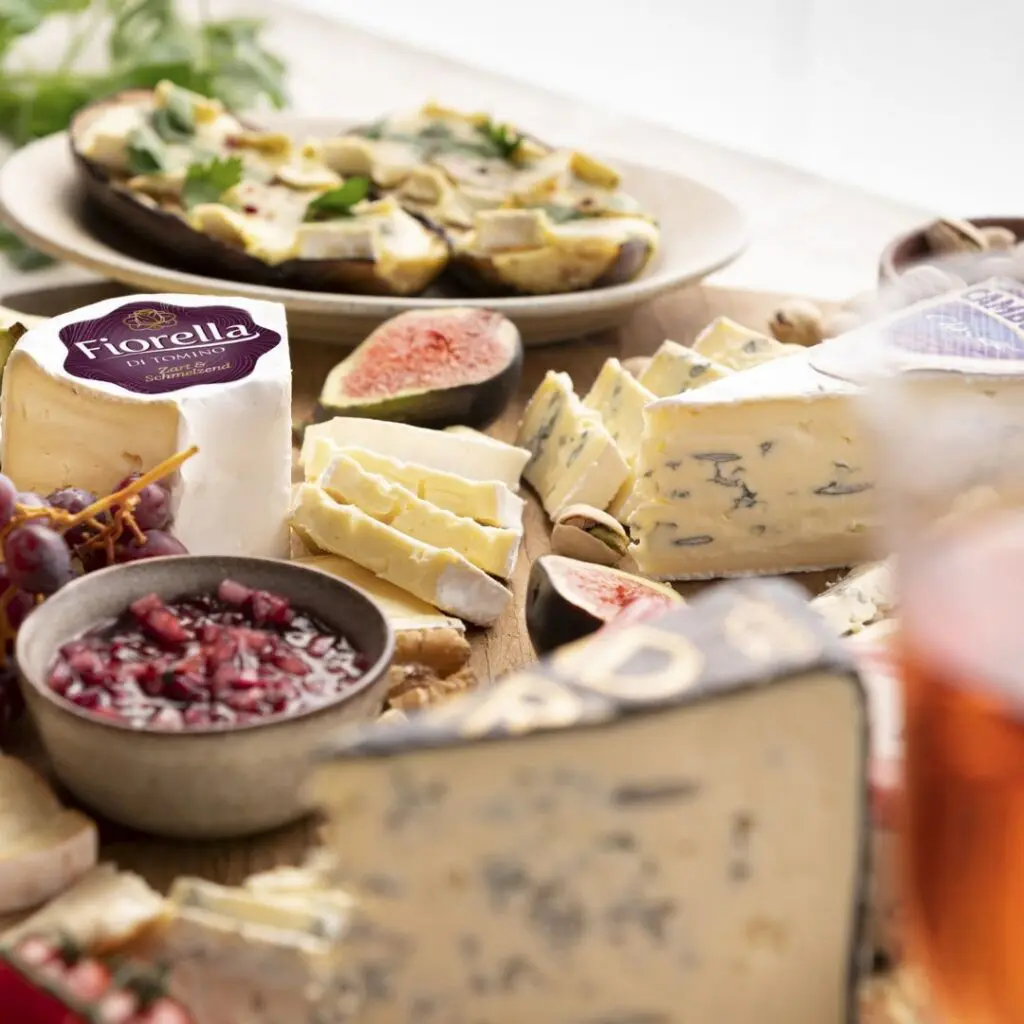
Cheese offers a particularly rich way to explore a place. From mountain pastures and family-run dairies to historic market towns and specialist cheese shops, it connects us to the landscapes, people, traditions and skills that have shaped local food culture over generations.
And increasingly, people want more than simply to buy and taste great cheese. They want to understand where it comes from, meet the people who make it and experience the places that give it its character.
Welcome to cheese tourism.
A Taste of Place
A cheese can tell you a great deal about the place it comes from, but tasting it is only the beginning.

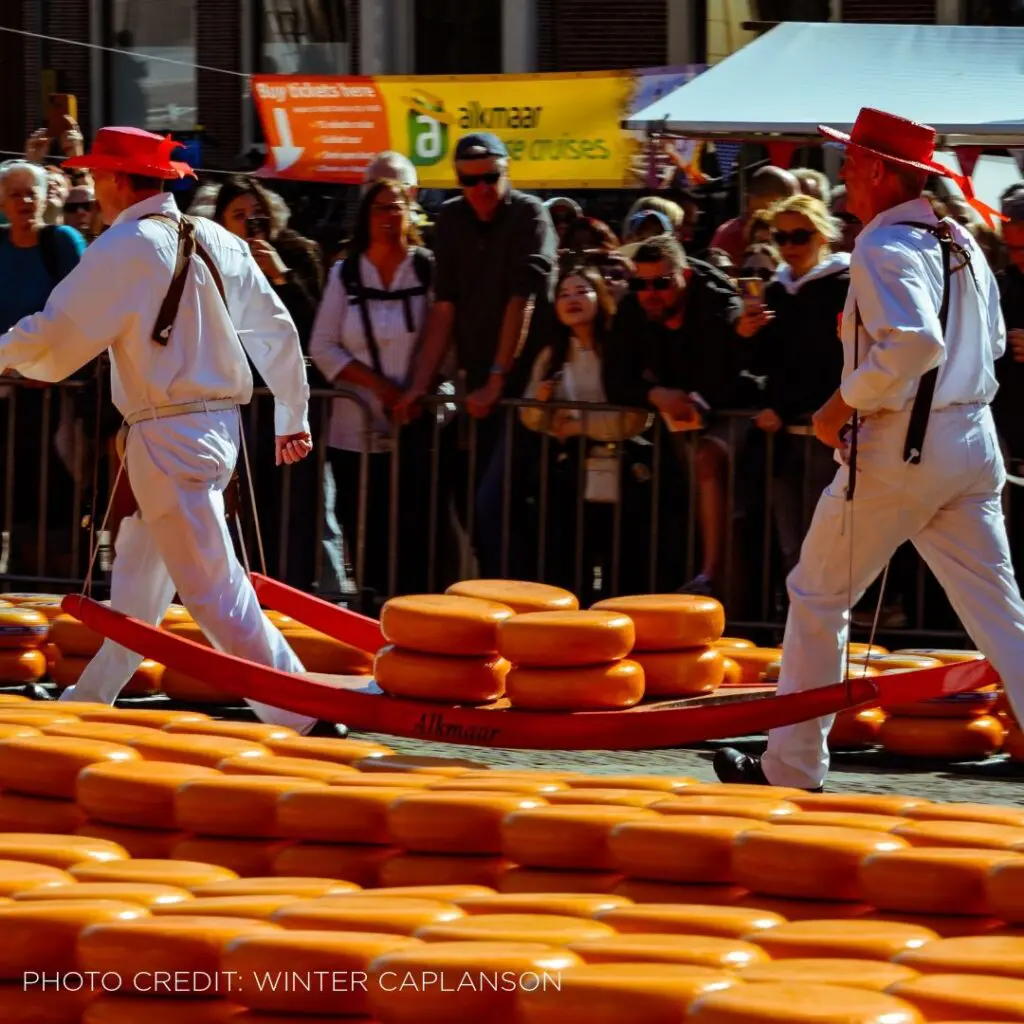
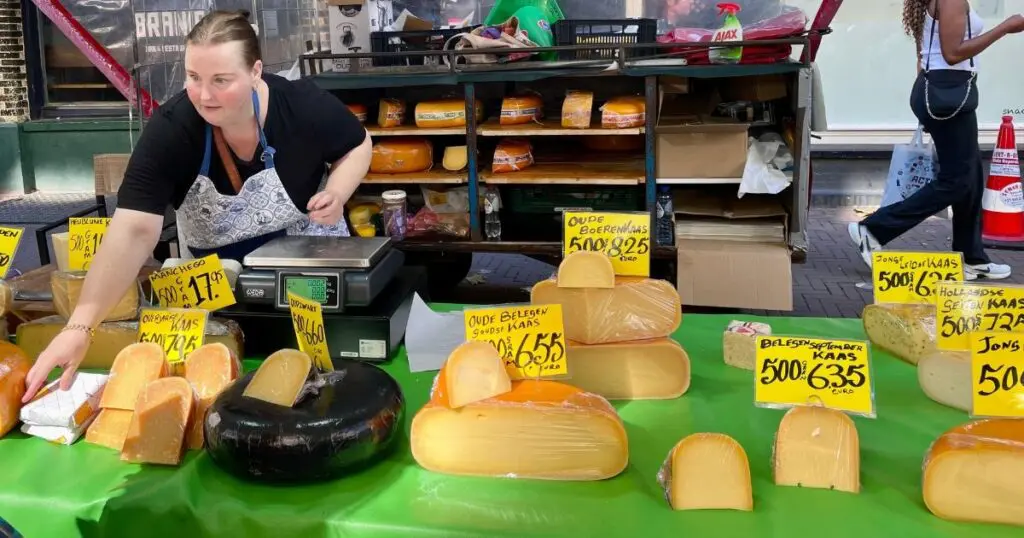
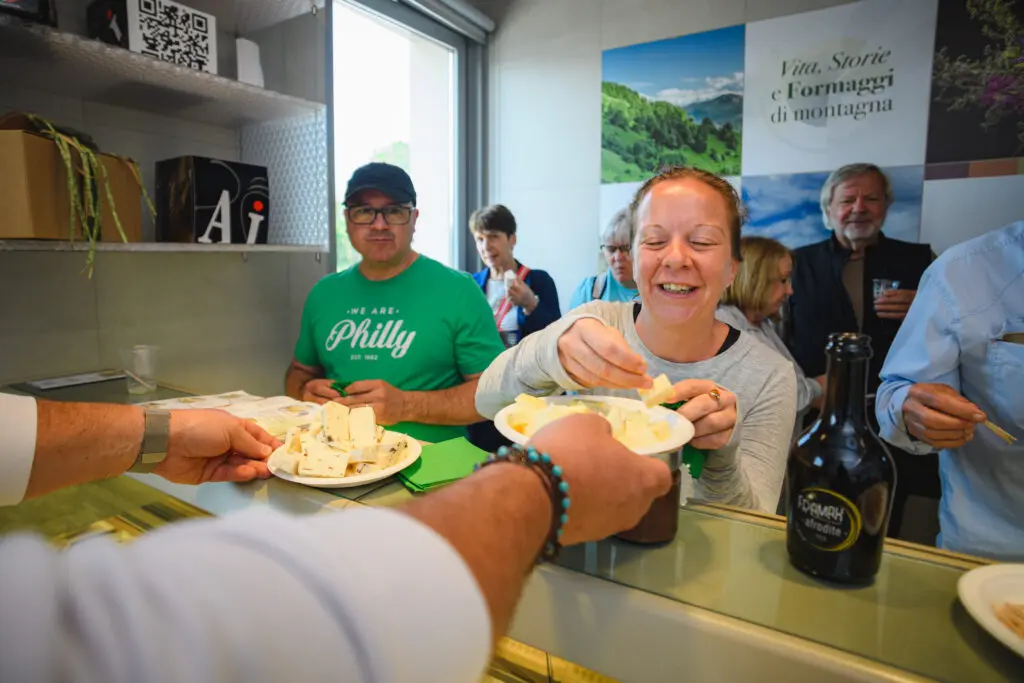
Visit a cheesemaker and you might discover how the local landscape influences the milk, why a particular breed of animal is kept, or how generations of knowledge have shaped a recipe. Step inside a maturing room and you begin to understand the skill involved in affinage – the careful process of nurturing a cheese as it develops. Visit a traditional market or independent fromagerie and you see how cheese is selected, presented and enjoyed within its own food culture.
These experiences bring context to what is on the plate. A cheese is no longer simply a name, a texture or a flavour; it becomes part of a much bigger story.
Cheese is a reflection of place, much like great wine
Anna Juhl
For those interested in the history of food, the journey needn’t even take you into the countryside. A city can offer its own fascinating cheese story. In London, for example, a guided walk with author and cheese educator Ned Palmer, explores the capital through its historic food markets, cheesemongers and the people who have helped shape its relationship with cheese.
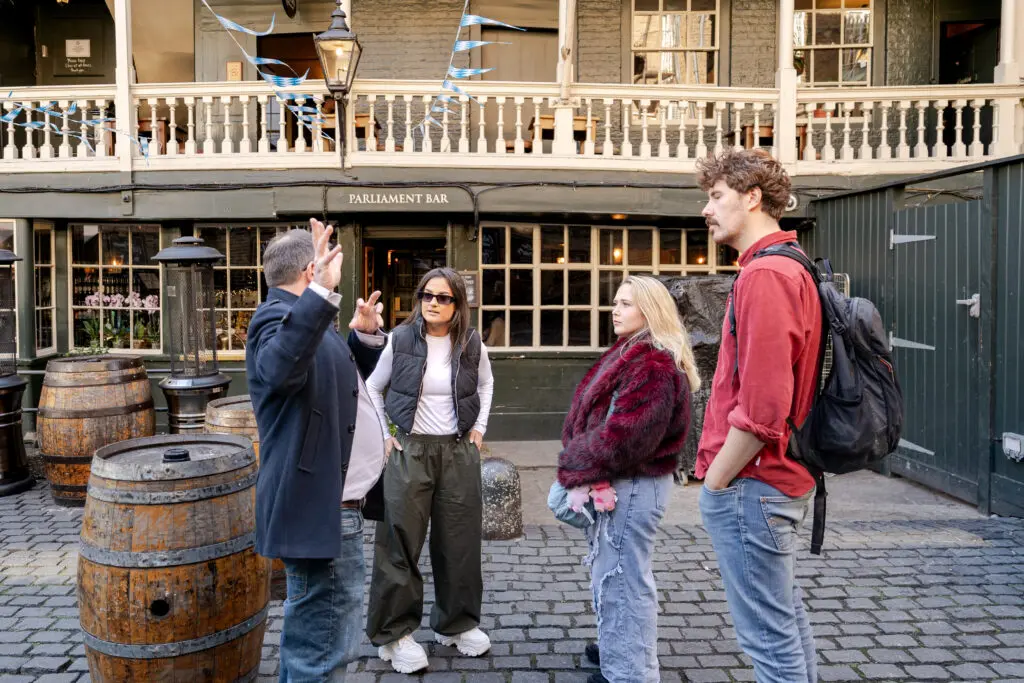
Ned’s tours bring together the history of the city and the history of its food in an unexpected way.
People seem to enjoy the slightly quirky way I bring the City’s history to life through cheese – connecting landmarks such as London Bridge, The Golden Hinde and the Clink Prison to the stories of London’s food and cheesemaking past. And, of course, there’s always the delicious cheese to enjoy along the way!
Ned Palmer
It’s a reminder that cheese tourism doesn’t necessarily mean travelling a long distance. Sometimes, looking more closely at the food culture on your doorstep can be just as revealing.
Meeting the People behind the Cheese
One of the greatest pleasures of visiting a cheese-producing region is the opportunity to meet the people who make, mature and sell the cheese.
A conversation with a cheesemaker can reveal the decisions and challenges behind a particular style. An affineur can explain how time, temperature and care influence the final result. And a visit to a family dairy can offer a glimpse of the traditions and practical realities that keep regional cheesemaking alive.
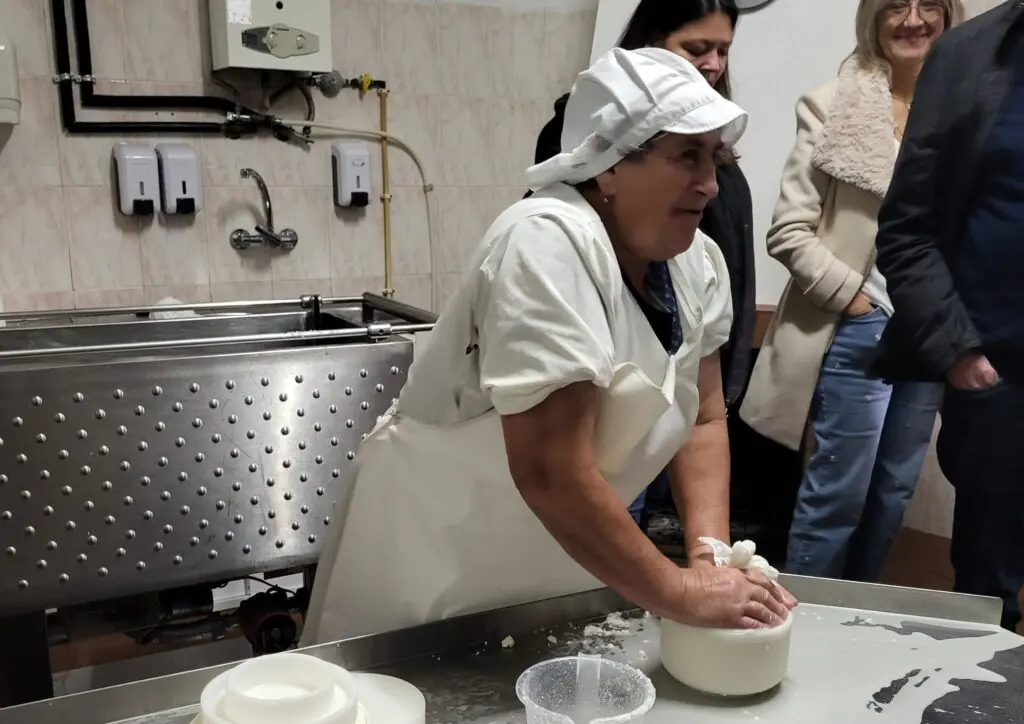
These encounters add a human dimension to the experience. They also give visitors the chance to ask questions, see processes first-hand and understand why a cheese tastes the way it does.
For Anna Juhl, CEO of Cheese Journeys, seeing the relationship between a cheese and its surroundings is one of the most rewarding aspects of their tours.
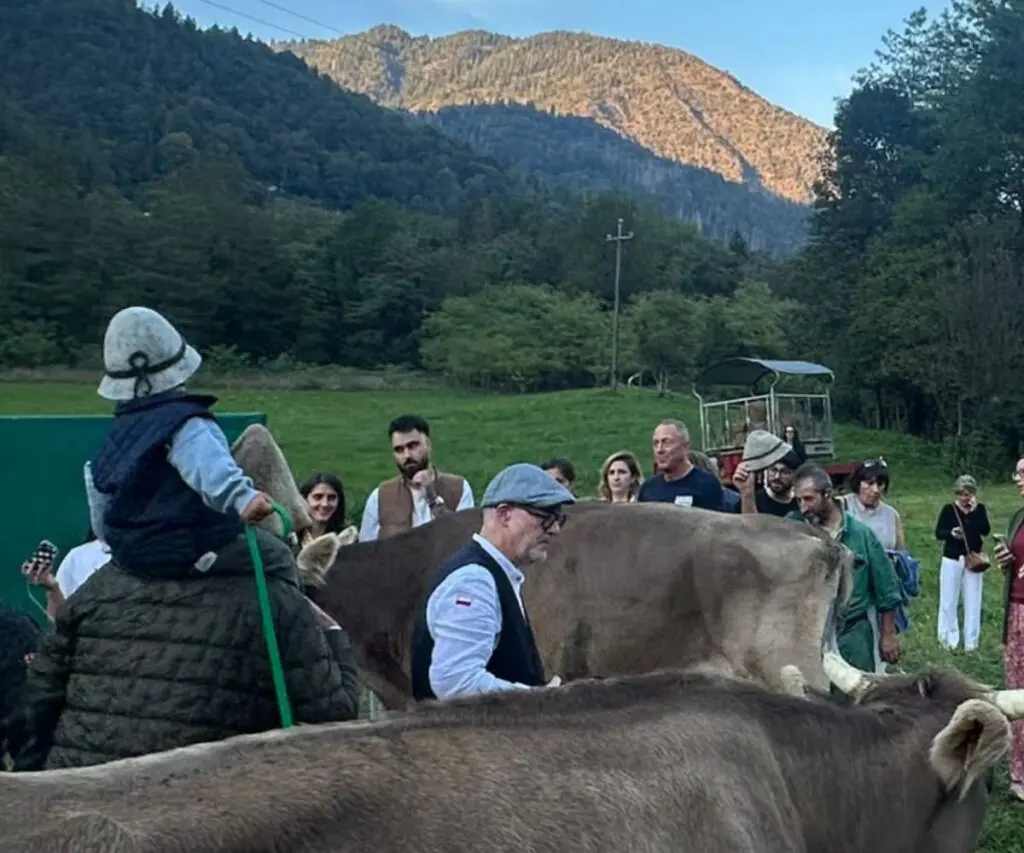
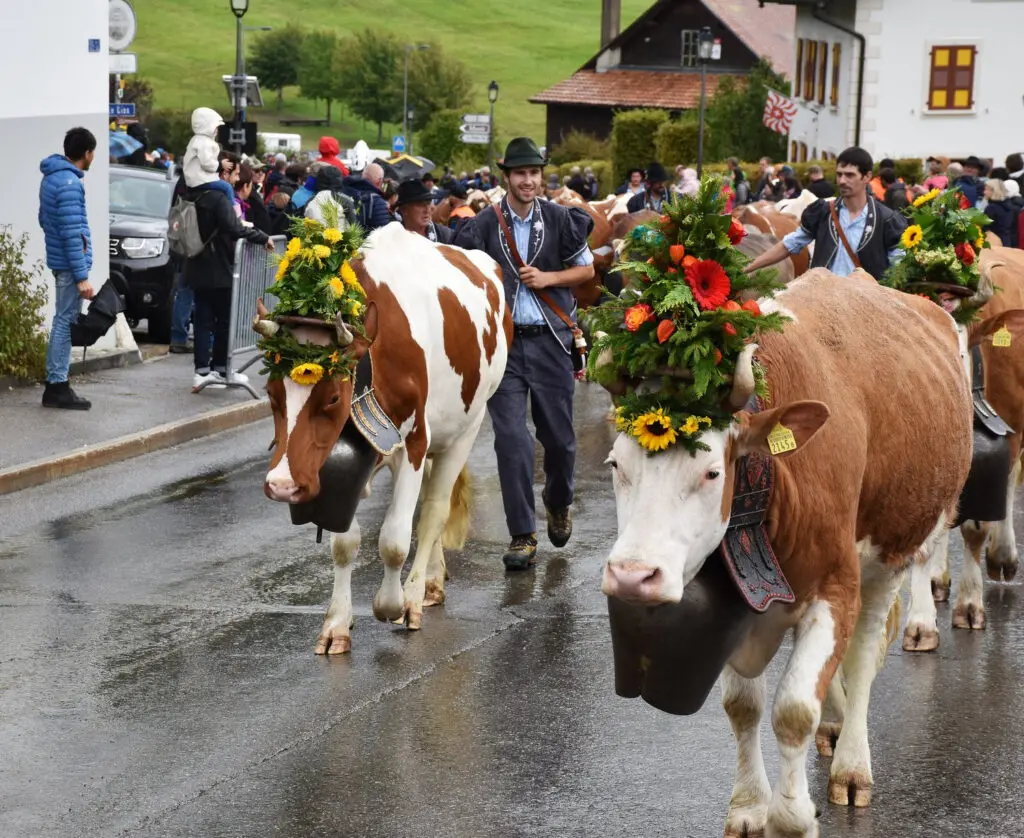
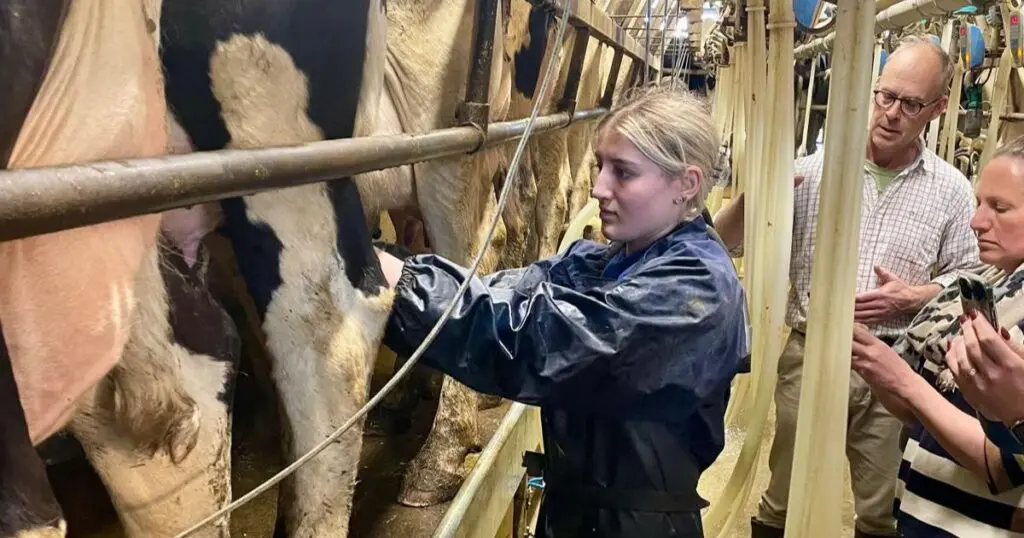
What the animals eat and drink, how they’re treated and how the milk is handled – these all affect the taste of the cheese. People often don’t realise this until they visit an alpage in the Swiss Alps or a creamery in Somerset, where they see local cows grazing on pastures full of native plants.
Taking Cheese Education on the Road
For some cheese enthusiasts, travel is not simply an opportunity to discover new cheeses. It’s also a way to deepen their knowledge and develop their professional skills.
Travel is invaluable when it comes to cheese education. There is simply no better way to deeply understand a cheese’s past, present, and future – to see the make with your own eyes, explore the region where it originated, and meet the people and animals who are responsible for creating it.
Emilia D’Albero, Cheesemonger, Educator and Curd to Counter participant
There is a growing appetite among committed learners to combine a trip with a structured cheese education experience – choosing a destination not just for what they can taste, but for what they can learn.
Take Emma Young, known as The Cheese Explorer, and her Academy of Cheese Level Two course at Fromagerie Laurent Dubois in Paris. Here, students can combine their studies with an immersive experience in one of France’s best-known cheese retail settings.
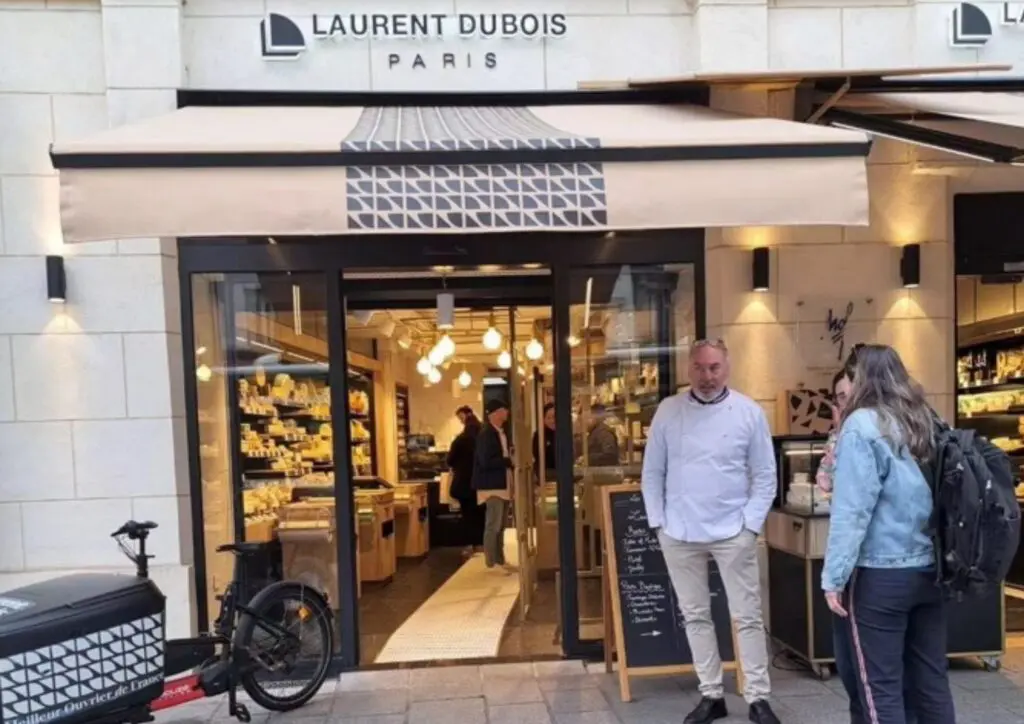
The three-day programme brings together classroom learning, extensive tasting, paired drinks and behind-the-scenes visits to Laurent Dubois’s shops and maturing caves, as well as an opportunity to meet Laurent himself. Students work towards their Academy of Cheese Level Two certification while experiencing French cheese culture at first hand.
For Emma, the location is the vital part of the educatonal experience:
Learning in that setting, with full immersion, gets delegates into the ‘cheese zone’ – in a working cheese shop, where they can see cheesemongers talking about and selling the cheeses they’re actually learning about.
Emma Young
It’s a particularly good example of how travel and education can complement one another. Rather than learning about cheese in isolation, students can explore the knowledge, skills and traditions in the very place where they are brought to life.
Bringing the Cheese Experience Home
Of course, not every cheese journey needs to lead to an exam or certification. For some, the pleasure lies in discovery: tasting something unfamiliar, hearing a producer’s story or finding a new favourite cheese to seek out at home.
But the more we understand about cheese, the more rewarding those experiences can become. Knowing a little about milk production, cheesemaking, maturation and tasting helps us notice details we might otherwise miss. It gives us a language for describing what we enjoy and a framework for asking better questions.
The discoveries made on a farm, in a dairy or behind a cheese counter can be carried home and built upon. Equally, learning about cheese can make the next visit to a producer or specialist shop even more meaningful.
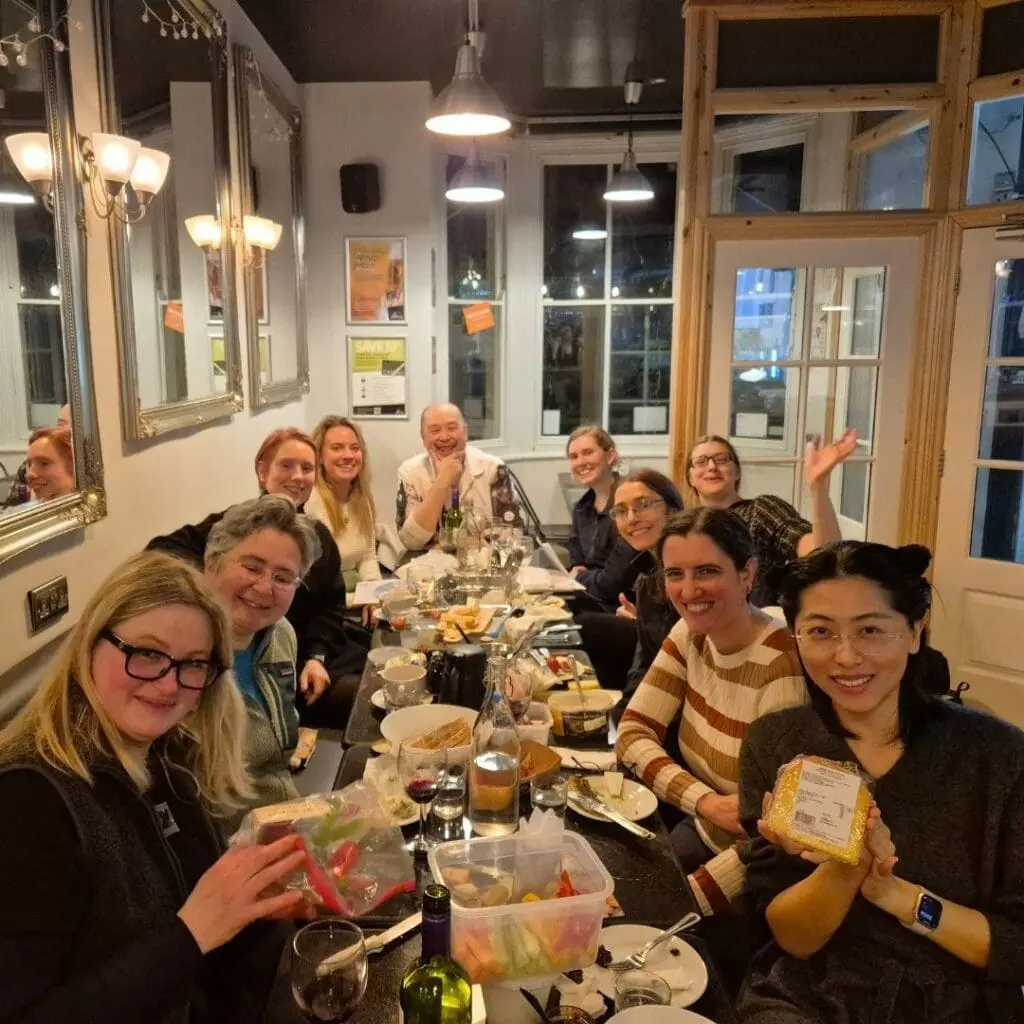
The same idea underpins the collaboration between the Academy of Cheese and Cheese Journeys. Starting in 2026, after travelling on a Cheese Journeys tour, guests are offered a complimentary online Academy of Cheese Level One course, as well as two study sessions taught by Patrick McGuigan. It covers the Academy’s 25 iconic cheeses, along with milk production, cheesemaking, tasting and presenting cheese. The course complements what guests discover on their travels and gives them another way to keep exploring and stay in touch with fellow travellers.
The combination of incredible destinations, exceptional food, meaningful education, and wonderful people made this journey so much more than a vacation. It was an opportunity to deepen my knowledge, celebrate the world of cheese, and create memories I will treasure for years to come.
Kimberly M, Cheese Journeys Guest
The cheese journey doesn’t have to end when you get home
Perhaps that’s the real appeal of cheese tourism. It offers more than a collection of memorable meals or a suitcase full of delicious discoveries. It creates connections – with the people who make cheese, the places that shape it and the traditions that keep it alive.
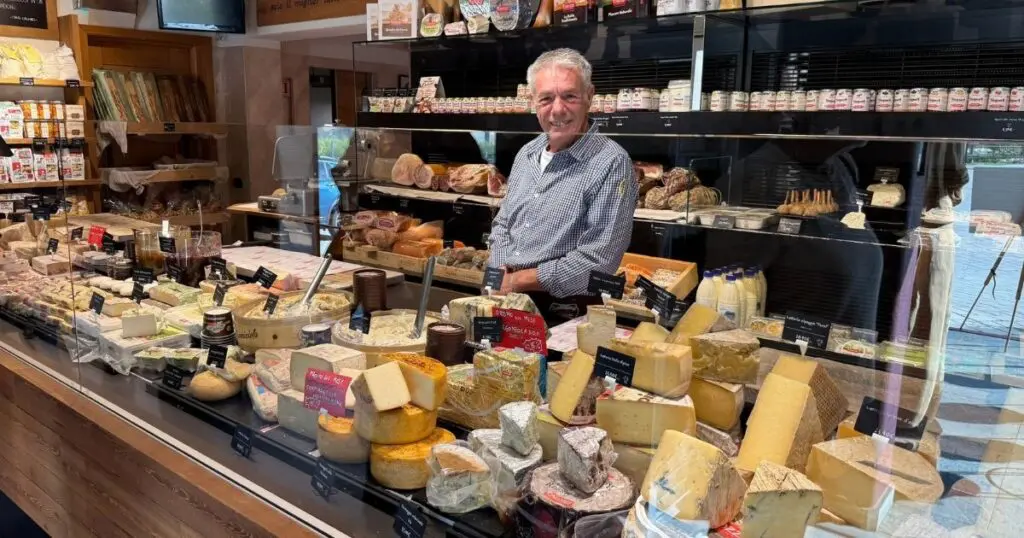
Whether it’s a guided cheese history walk through London, a visit to an Alpine dairy, a lesson on affinage in a Parisian fromagerie or a more formal course in the heart of a cheesemaking region, every experience can add another layer to our understanding.
And when you return home, the next time you cut into that cheese, you’ll have more than its flavour to enjoy. You’ll have a story to go with it.

Rachel Holding | Academy of Cheese Writer
Member of the Academy, Rachel loves a good cheese and wine session. Her love of all cheeses, artisanal or otherwise, has grown from her early years of working on the cheese counter at Fortnum & Mason. She has a personal mission to taste as many cheeses as possible and to encourage this passion in others.


COMMENTS