



Let’s explore this question together. Have you ever wondered if you can freeze cheese? Maybe you bought too much of your favourite cheese and didn’t want it to go to waste, or you’re a cheese lover who wants to stock up and not risk running out! Whatever the reason, can I freeze cheese is a common question in the culinary world.
The short answer is yes, you can freeze cheese. You can also vacuum-seal it to keep it fresh for more extended periods. Cheese can be frozen for up to six months, but using it within two to three months is recommended for the best quality.
Which cheeses freeze well?
You can freeze cheese. It increases shelf life and preserves colour and nutritional value. However, freezing certain types of cheese can result in undesirable aromas and textures. Hard and semi-hard cheeses freeze well due to lower moisture and higher fat contents but are likely to be drier and more crumbly when defrosted.
It’s important to note that freezing can alter the aroma, taste and texture of the cheese. For example, cheeses with a natural rind like Camembert, brie or cloth bound cheddar you should avoid freezing as it can create undesirable flavours. Soft cheeses dont stand up to freezing so well due to their higher moisture content, more ice crystals will form and the texture will degrade on thawing.
How to freeze cheese:
Wrap cheese before freezing for Protection:
To reduce as much contact with oxygen whilst freezing, trim the cheese to a uniform shape so it can be vacuum packed or tightly wrapped. Either freeze the cheese in its upopened original packaging or tightly wrap your prepared cheese in a layer of cling film. For best results, place the wrapped cheese inside an airtight container or freezer-safe bag.
Label Cheese Clearly before Freezing:
Always label your cheese with the name, type (e.g. Cheddar, Le Gruyère), and the date it was frozen. This ensures clarity when rotating stock and using cheeses in order of storage.

How Long Can Cheese Be Frozen?
Cheese can be frozen for up to six months. While safe to eat beyond this time, the texture and flavour will begin to deteriorate.
What’s the best way to freeze cheese?
The best way to freeze cheese is to vacuum pack it or wrap it tightly in cling film then place it in an airtight container or freezer-safe bag to prevent freezer burn. If you plan to use it in smaller amounts, grate, crumb or portion it before freezing for convenience. Always label the package with the type of cheese and the date frozen. Hard and semi-hard cheeses freeze best and are ideal for cooking after thawing, as freezing can alter the texture, making them more crumbly.
How to Defrost Frozen Cheese Safely
Defrosting Cheese in the Fridge “Refrigerator Method” (Recommended):
Defrost cheese gradually by placing it in the refrigerator for 24 to 48 hours. This slow thawing helps preserve its structure and moisture content.
Defrosting Cheese at Room Temperature “Leave it out Method” (For Quick Use):
For quicker use, cheese may be thawed at room temperature for 2.5 to 3 hours. Ensure it is consumed promptly after thawing.
Defrosting Cheese in a Microwave “Zap it Method” (Use with Caution):
In situations where speed is essential, cheese can be defrosted in the microwave in 30–45 second increments. Use a low power setting to avoid melting or uneven thawing.
Understanding the Impact of Freezing on Cheese

Freezing affects cheese structure. The moisture within cheese forms ice crystals that, upon thawing, change the original texture of the cheese. As such, frozen cheese is best suited to cooked applications, such as sauces, gratins, baked dishes, and toppings, rather than for serving fresh on a cheeseboard.
Which Cheeses Should Not Be Frozen?
Soft, high-moisture cheeses such as Brie, Camembert, and fresh goat’s cheese do not freeze well. Upon thawing, these cheeses may separate, becoming grainy or watery, and losing their characteristic creamy texture.
Can I Freeze This Cheese?
Expert Advice on Freezing Individual Cheeses
Freezing cheese can be useful in reducing waste and managing stock, but not all cheeses respond well to freezing. Below is expert guidance on how different types of cheese behave when frozen and whether freezing is recommended.
Can you freeze mozzarella?
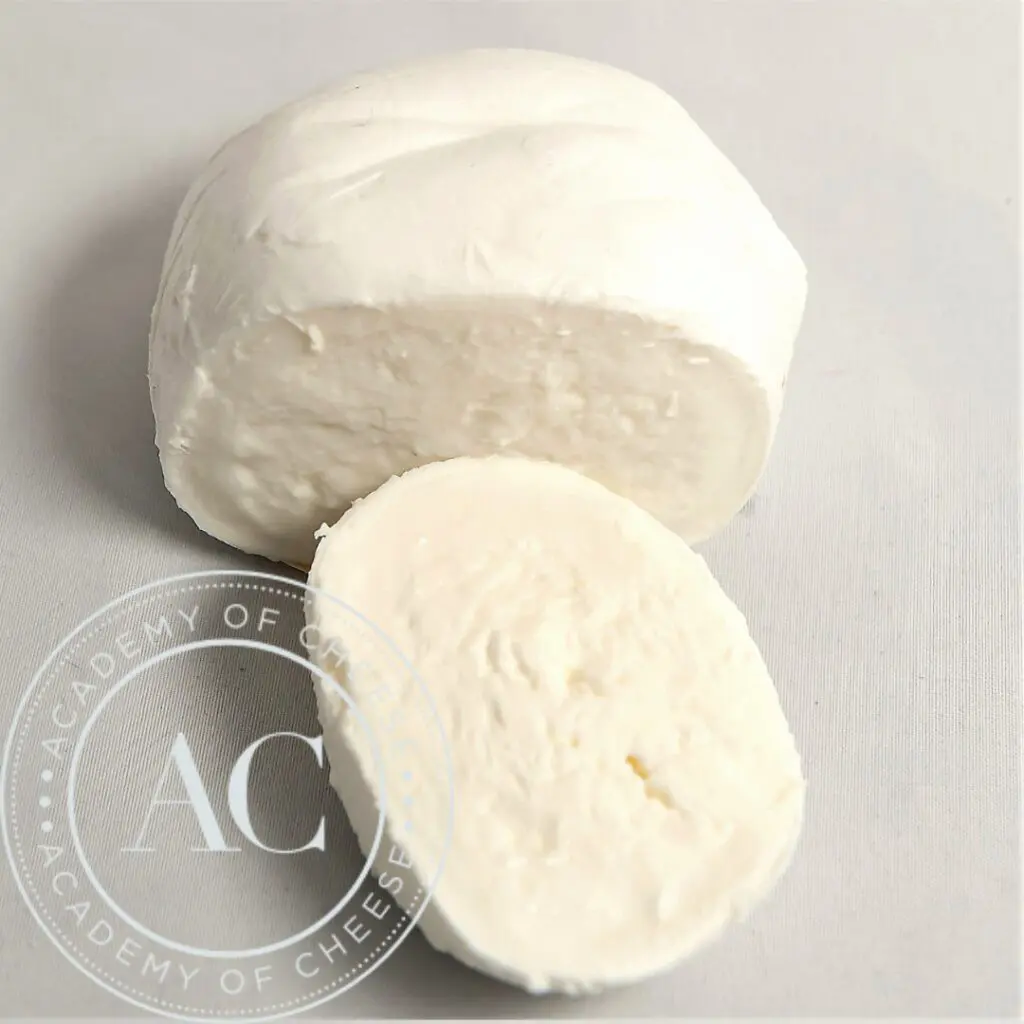
Yes, mozzarella can be frozen, but only low-moisture or shredded varieties. Drain excess liquid from fresh mozzarella, portion, and wrap tightly before freezing. Expect a slightly firmer texture and less elasticity upon thawing.

Can you freeze brie?
Freezing Brie is not recommended. Brie is a soft, bloomy rind cheese with a delicate structure. Freezing often causes the paste to separate or become grainy. If necessary, freeze only for cooking applications, not for cheeseboards or fresh use.

Can you freeze cheddar?
Yes, both block and grated Cheddar freeze well. Wrap tightly to prevent freezer burn and portion in advance if needed. Upon thawing, expect a slightly crumblier texture perfect for cooking, grilling or baking.

Can you freeze cottage cheese?
Freezing cottage cheese is not recommended. The high moisture content causes curd separation and a watery texture when thawed. It may be usable in cooked dishes, but the texture will be noticeably altered.

Can you freeze Grated Cheese / Shredded Cheese
Yes, grated and shredded cheeses freeze very well. Portion into small, airtight containers or freezer bags. You can use it straight from the freezer for cooking, ideal for pizza, pasta, or cheese sauces.

Can you freeze mascarpone?
Avoid freezing mascarpone. As a rich, creamy cheese, it tends to split and curdle when frozen and thawed. For best results, enjoy mascarpone fresh or refrigerated.

Can you freeze parmesan?
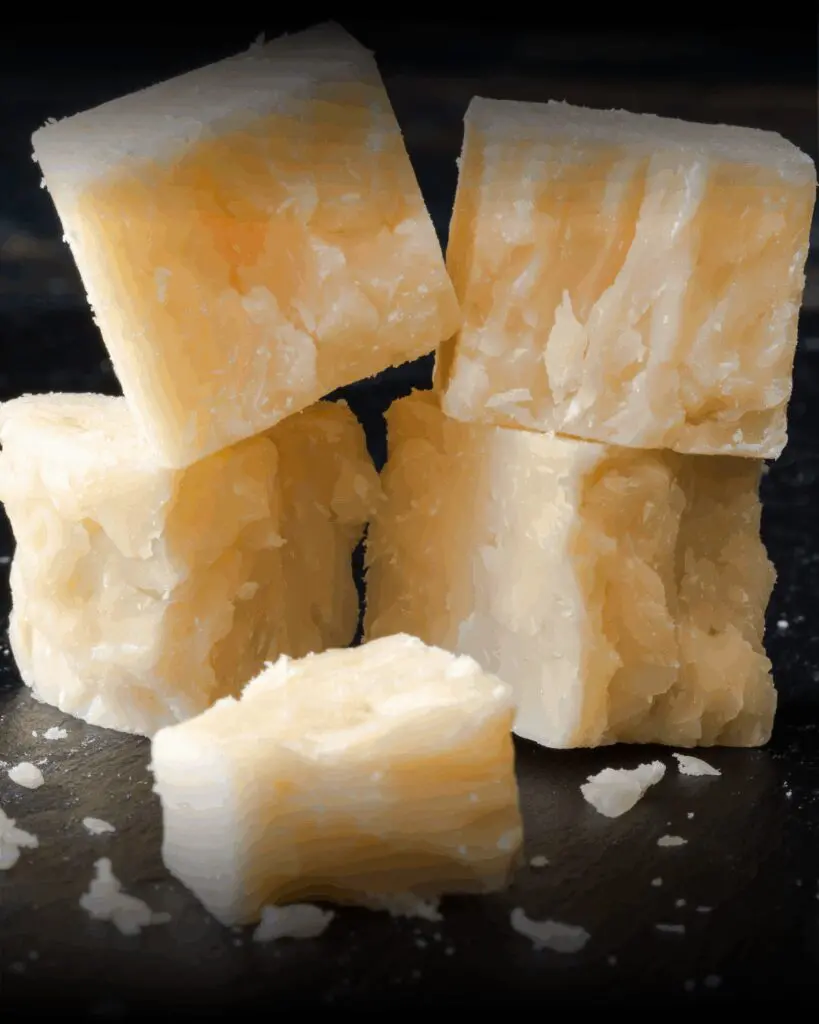
Yes, Parmigiano Reggiano and other hard grating cheeses freeze well, both in blocks and grated form. Store tightly wrapped to preserve flavour. Ideal for long-term storage and cooking.

Can you freeze Stilton?
Yes, Stilton and other blue cheeses can be frozen. While freezing may slightly affect the texture, the strong flavour remains. You can crumble the cheese before freezing, portion and store in airtight freezer bags or tubs. Ideal for use in sauces, soups, or dressings after thawing.
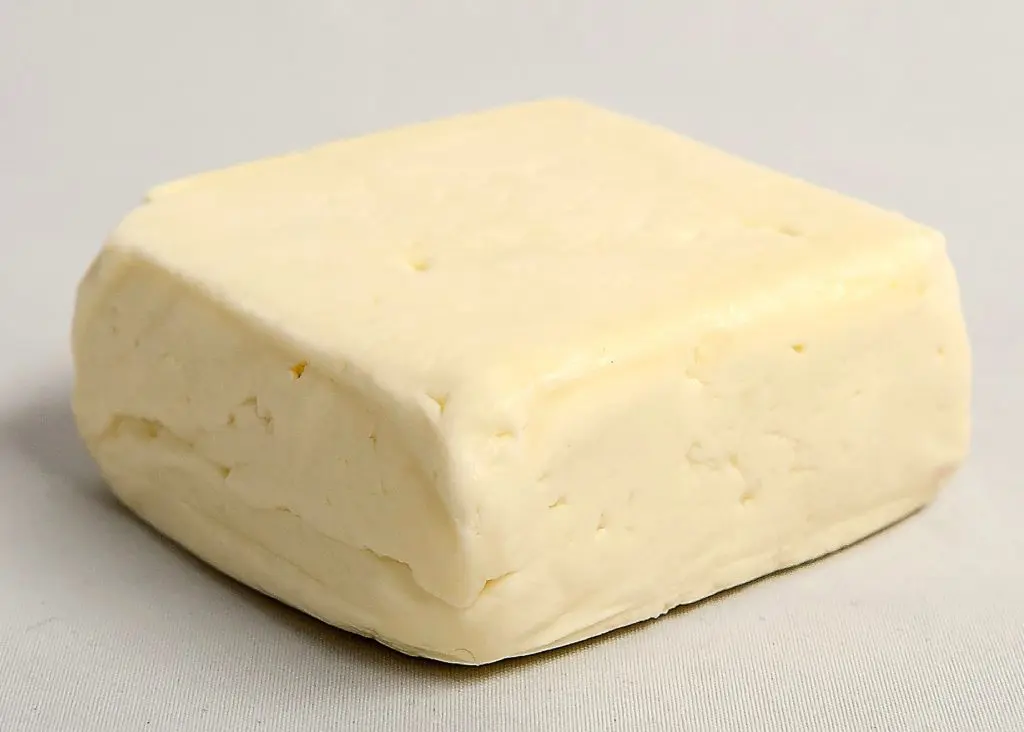
Can you freeze halloumi?
Yes, halloumi freezes successfully due to its firm texture and low moisture. Slice or cube before freezing. Once thawed, it retains its grilling and frying properties well.

Can you freeze camembert?
Freezing Camembert is not ideal. Like Brie, Camembert’s bloomy rind and creamy core don’t freeze well. The structure can collapse or become rubbery. Best enjoyed fresh.

Can you freeze ricotta?
Freezing ricotta is not recommended unless intended for cooking. Ricotta becomes watery and grainy when thawed. If used in lasagne or baked dishes, blend well after thawing to restore texture.

Can you freeze blue cheese?
Yes, blue cheeses can be frozen, though they may become slightly more crumbly. Flavour profiles will change depending on the type of blue cheese. Best for cooking or crumbling into sauces.

Can you freeze goat cheese?
Yes, but freeze goats cheese with caution. Freezing affects the texture of soft goat’s cheese, making it more crumbly. For best results, use frozen goat cheese in cooked dishes rather than fresh applications.

Can you freeze sliced cheese?
Yes, most pre-sliced cheeses freeze well. Separate slices with wax paper to prevent sticking and store in a freezer bag. Thawed slices may be slightly drier and brittle but are fine for sandwiches and melting.

Can you freeze soft cheeses?
It’s not recommended to freeze soft cheeses. Soft cheeses like Brie, Camembert, Neufchâtel, and some fresh goat cheeses lose their texture and quality when frozen. They may separate or become watery after thawing.

Can you freeze feta?
Yes, though feta may become crumbly and lose some creaminess. Freeze in brine or olive oil if possible to retain moisture. Use in cooked dishes or salads where texture isn’t critical.

Can you freeze block cheese?
Yes, especially semi-hard and hard varieties such as Cheddar, Gouda, and Gruyère. Expect a slightly more brittle texture when thawed. Cut into smaller portions before freezing for ease.

Can you freeze burrata?
It’s strongly discouraged to freeze burrata. Burrata is a fresh, high-moisture cheese with a delicate cream centre. Freezing ruins its texture and creamy interior. Best consumed fresh.
Conclusion: Know Before You Freeze
To sum it up, freezing cheese is possible, but it’s not ideal for all types of cheese. While many hard and grated or crumbed cheeses freeze well, most soft and creamy cheeses do not. Hard cheeses tend to freeze better than soft cheeses, and it’s important to wrap it tightly to prevent freezer burn. When in doubt, consider the cheese’s moisture content, fat content, and intended use. Freezing is best suited for cheeses destined for cooking, not cheeseboards. So go ahead and freeze that extra block of cheddar; just keep in mind the potential changes in aroma and texture.
Tasting Toolkit
Three useful tools from the Academy Of Cheese to help you taste cheese like a pro.


COMMENTS