
How certification with the Academy of Cheese opened doors for this student.
Becoming a Fellow of the Academy of Cheese is a major accomplishment. We previously talked to Sarah Miness, Ceri Cryer and Sharon Ruwart to learn about their motivations for becoming certified with the Academy of Cheese. This time Jonathan Tesh, a part-time cheesemonger and full-time vet, tells us how his study journey has led him from curious cheese enthusiast to confident cheese judge.

What is your current role or connection to the cheese industry?
I’m an outsider to the cheese industry – my full-time job is actually as a vet. But cheese has been a personal passion all my life. One of my earliest food memories is visiting an old-fashioned grocer in Saffron Walden (near where I grew up) that had enormous wheels of farmhouse cheddar on the counter. They would let me have little tasters, and these clearly left an imprint that sparked a lifelong interest in artisan food and cooking. Later, when I was studying at the Royal Veterinary College in London, I sought out specialist cheesemongers such as Paxton & Whitfield and discovered fine cheese from all over the world. Yes, even as an impoverished student, I somehow found the money for cheese!
This interest only grew stronger and developed into an insatiable thirst for knowledge. I completed Levels 1, 2, and 3 with the Academy of Cheese and now volunteer once a month at Rennet & Rind Cheesemongers in Stamford.
The Love of Learning
What made you decide to start your cheese learning journey with the Academy of Cheese?
There was no career-driven motive – I was quite happy with my job as a vet! It was purely for the love of learning. When I first found out about the courses, I was already familiar with certain aspects of cheesemaking (such as health and safety) through my veterinary qualification and the large collection of cheese-related books I had amassed. But I still wanted more, in particular to develop a better understanding of industry-specific aspects – things that are hard to learn elsewhere. For instance, the structured process of tasting cheese and the scientific basis for why I preferred some cheeses to others. I came across the Academy of Cheese courses online, and their content looked really interesting. It was also something I could do for myself, without needing a direct connection to the cheese industry.

Sourcing Rare Cheeses
You did both Level One and Two with Paxton and Whitfield. What did you like about their courses?
Paxton & Whitfield rightly have a high reputation within the cheese industry, so I knew the content would be delivered by true experts. Hero Hirsh and Dan Bliss were brilliant teachers, approachable and open, and with a huge range of different experience between them. Alan Watson, who had just been crowned Young Cheesemonger of the Year, also helped out.
With the courses being held in the shop itself, we were able to experience the practical side of cheesemongering first-hand, for instance in the maturing rooms and at the serving counter. And because the team have strong connections with specialist producers, they were able to source some of the rarer cheeses on the Level 2 course (such as Serra da Estrela from Portugal) for the tasting sessions. I’m based in a remote part of Lincolnshire, so it would have been almost impossible for me to get hold of them otherwise!
Why did you decide to continue with the Level Three course?
I had enjoyed the content in the Level 1 and 2 courses – yet I still wanted to know more! I had also started to judge at cheese awards, and that gave me an additional incentive to continue my learning journey.
Industry-Focused Learning
How much of a step up from Level 1 and 2 was Level 3?
It was a significant step up, both in the volume and level of detail in the content. The scope also pivots somewhat from being consumer-focused to more industry-focused. For instance, the modules related to cheese production are very scientific, and there is a great deal to learn about regulations and standards.
At Level 1 (and to some extent Level 2), you see a much higher proportion of participants who are motivated purely by personal interest, or have been given the course as a present. Whereas at Level 3, participants tend to be either very dedicated enthusiasts (like myself) or those who take it for career reasons. It demands a much higher level of commitment. But because I love learning, I thrived on it!
How did you manage the study along with your full-time employment?
Being a full-time vet, cheese study had to be fitted in during evenings, weekends and days off. It never felt like a chore though because it interested me so much. You find time for what you love doing!
The Academy of Cheese courses appealed to me because they were something I could do for myself, without needing a direct connection to the cheese industry.
Which modules did you enjoy the most from your learning journey?
Through being a vet, I had a basic understanding of some areas of the course, such as health and safety. But other modules were completely new to me, for instance affinage. It was fascinating to learn how tiny alterations in temperature, humidity, etc. throughout the maturing process can impact the sensory qualities of the final cheese.
Flexible Study
Would you recommend the Level Three course to others? If so, who and why?
Definitely, if you have a passion for learning about cheese. Although it is a big commitment, the course is entirely self-paced so you can fit it in around your lifestyle. The modular structure also means there is no obligation to sign up to all the content and take the exam; you can just study the sections that would be most useful for your career, or that you are particularly interested in. Then you can decide later if you want to go all the way, and gain the certification. Because the content is so thorough, even doing a single module can be a valuable addition to your cheese knowledge.
My top tip would be to do at least some of the content in person if you can. Doing tastings with others really helps you to remember the attributes of the cheeses you try, and it is very stimulating to compare the different flavours you experience. Nevertheless, the Academy’s Cheese Library is a very useful revision aid, full of detailed profiles of all the cheeses on the syllabus.

Judging at the World Cheese Awards
How did you get into cheese judging?
It all started with the Big Cheese Weekenders that the Academy of Cheese ran throughout the COVID-19 lockdowns, where cheese professionals gave online talks. During one of the discussions afterwards, Matthew O’Callaghan (Organiser of the Artisan Cheese Awards in Melton Mowbray) mentioned that he was always on the lookout for judges. I had passed my Level 2 by that point so got in touch to introduce myself, and he invited me to judge at the next competition. I have judged at the Artisan Cheese Awards for the last five years now, and this year I also judged at the International Cheese and Dairy Awards (ICDA) in Staffordshire – an opportunity which came about as a result of passing my Level 3, after Tracey Colley from the Academy persuaded the ICDA organisers to invite Academy Fellows to judge.
My Academy of Cheese knowledge has given me much more confidence when judging, particularly as I don’t have a background in the industry. It especially helps me to understand the parameters that each category of cheese should be aiming for, and therefore whether the cheese in front of you is a good example of its class. My dream would be to have the opportunity to judge at the World Cheese Awards.
My Academy of Cheese knowledge has given me much more confidence when judging. It especially helps me to understand the parameters that each category of cheese should be aiming for, and therefore whether the cheese in front of you is a good example of its class.
Cheese Trips
Has being involved in the Academy led to any other opportunities?
Yes: in 2023 the Academy organised a study trip to France that visited the organic dairy farm La Ferme de la Tremblaye and one of Laurent Dubois’s cheese shops in Paris. Seeing how they present their cheese was eye-opening. Some were prepared so that they almost looked like patisserie– round soft cheeses like tiny cakes, with toppings of fruit, nuts or yuzu. Elegant enough for a dinner party course just on their own.
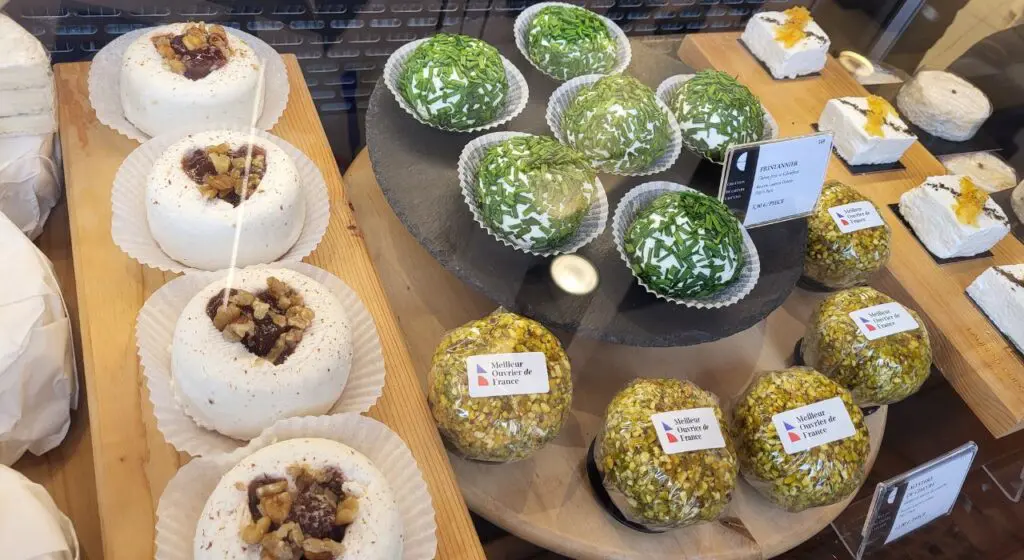
More broadly, my Academy studies help me to appreciate the context of local cheese wherever I travel. For instance, during a family trip to Gran Canaria a few years ago, I made a point of visiting a local cheese and dairy museum. It was interesting to learn about how they use thistle in place of rennet and observe the practice of transhumance, where the animals are moved between the mountains and lowland pastures on a seasonal cycle.
Based on all your Academy of Cheese knowledge, what would be your go-to cheese board combination now?
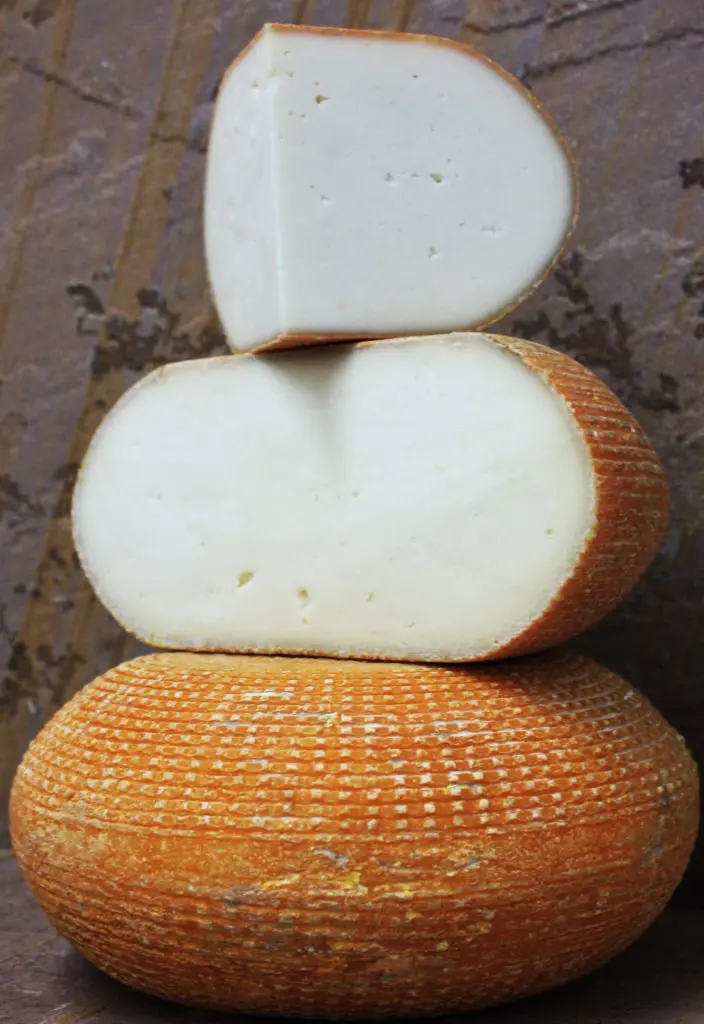
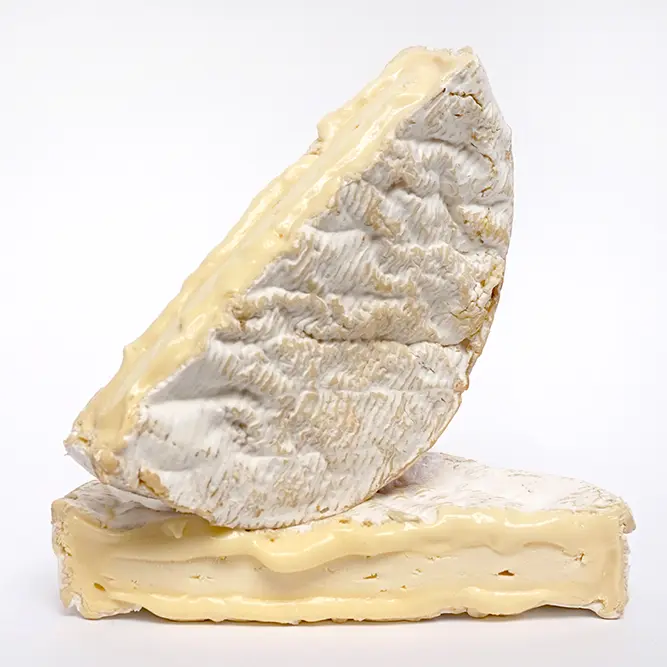
I would still go for the classic combination of hard, soft and blue but look for different expressions of it. So, instead of a hard-style cheddar maybe I would have a hard goat’s cheese, like Rachel or Rachel Reserva. For the soft, it is difficult to beat Baron Bigod although Wigmore is close behind (I love a good sheep’s milk cheese!) As for a blue cheese, a buffalo-milk blue would be a good twist, but I do like Pevensey blue (a Gorgonzola-style cow’s milk cheese). Although, when you get Stilton at its very best, it is pretty hard to beat.


Cheese Volunteer
How did your volunteer position at Rennet & Rind come about? And how do you use your Level 3 knowledge in your role?
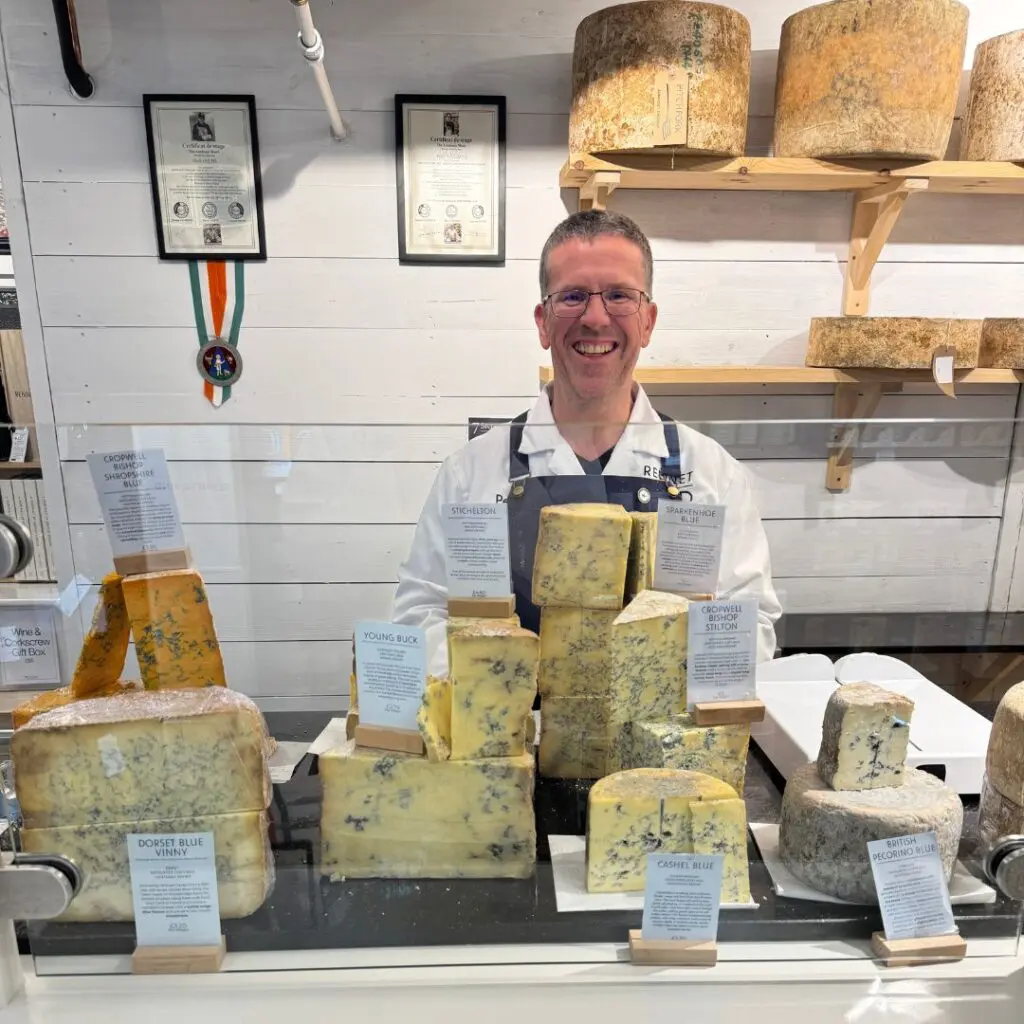
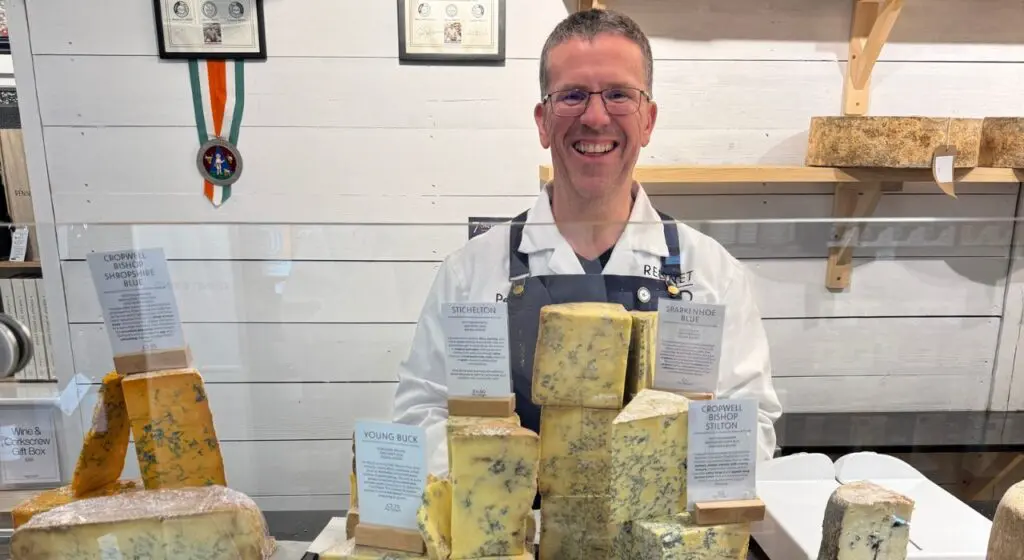
Rennet & Rind started as a wholesaler based outside Cambridge, specialising in British and Irish artisan cheese. About two years ago they took over a retail shop in Stamford, half an hour from where I live in Leicestershire. I had got to know Perry (CEO of Rennet & Rind) through judging at the Artisan Cheese Awards, and Perry invited me to spend a day with them just after the shop opened in winter 2023. I enjoyed it so much I kept going back, and still do a Saturday shift once a month.
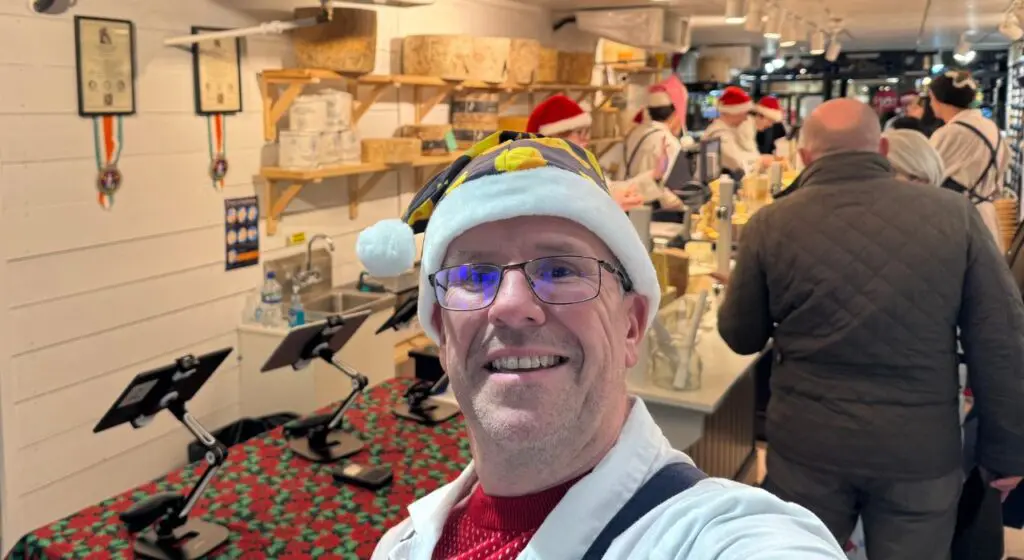
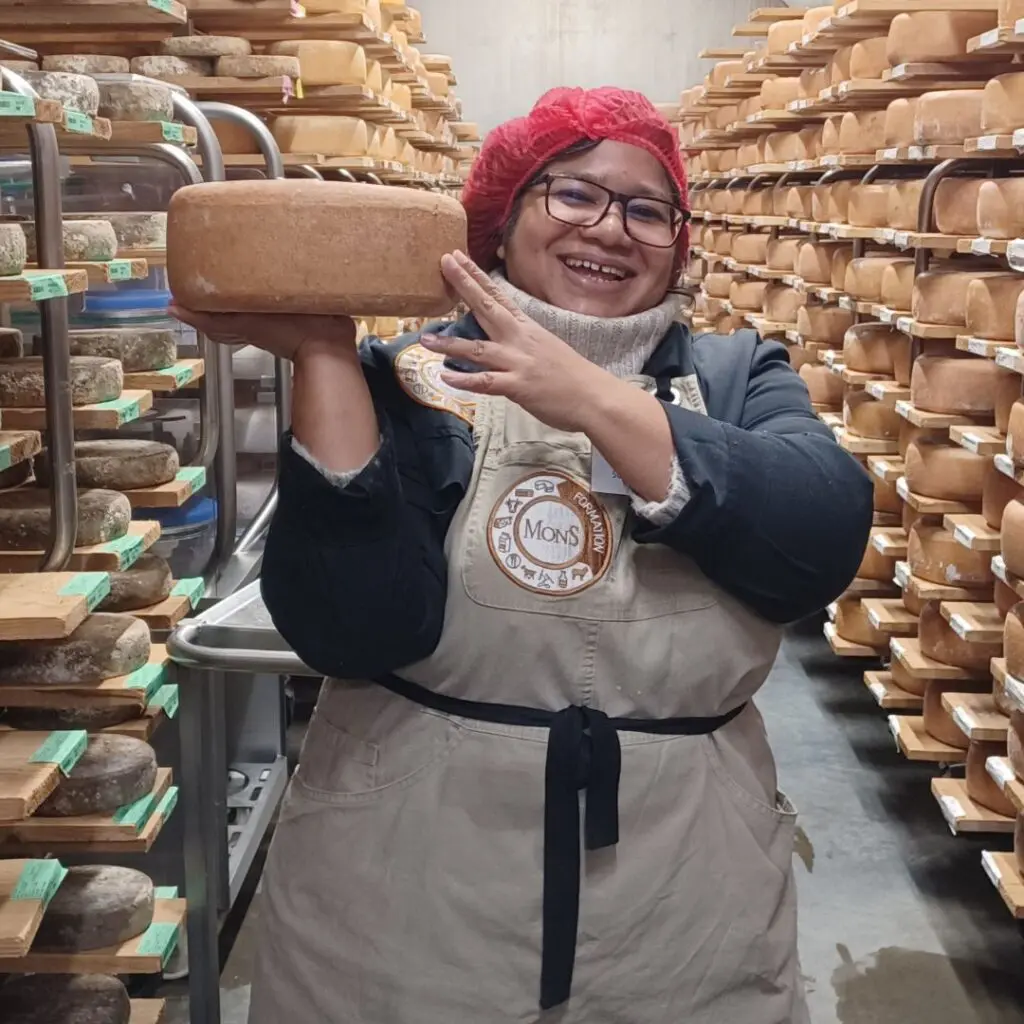
Working in the shop enables me to put my Academy knowledge into practice. The shop has a dedicated maturing room, which means I am able to handle whole cheeses and see the affinage process first-hand. Serving behind the counter, meanwhile, lets me apply my knowledge from the modules on serving and presenting cheese. I find it particularly rewarding to discuss options with customers and guide them to the right cheese that suits their personal preferences. As I don’t work directly in the cheese industry, it would be difficult to have these experiences otherwise. And of course, it lets me indulge my passion for cheese, and meet others who are just as keen about artisan cheese as I am.


Master of Cheese
Would you like to become a Master of Cheese?
That would be the “Holy Grail” as far as I am concerned! At the moment, the commitment (particularly writing a dissertation about cheese) may be a push too far with my current workload but longer term, it is definitely something I aspire to do.
Apparently, quite a few vets have taken Academy of Cheese courses. Why do you think this is?
There’s a lot of crossover between veterinary science and cheesemaking, for instance knowledge and understanding of dairy breeds, food hygiene and HACCP/COSSH regulations. More broadly, they are both professions that require a great deal of specialist knowledge and patience, and they both deal with living things.
Dogs and Cheese
I’ve heard it said that dogs like cheese – is this true?
Yes, it’s true! Like us, dogs are hardwired to enjoy energy-dense foods, which means that a nugget of cheese can be a good reward and training aid. Like all treats though, the key is to use it in moderation and with appropriate judgement, especially in dogs with any underlying medical concerns. Interestingly, studies indicate that some milk proteins can activate hormone pathways that promote relaxation in dogs. So, cheese presumably makes dogs feel good inside as well – just like it does for many humans!
Dr Caroline Wood | Freelance Writer
Caroline works as a Research Communications Manager and freelance writer, but her real passion is learning as much as possible about artisan cheese. Her dream is to qualify as a cheese educator with the Academy of Cheese, and in the meantime she is the proud convenor of the Marlborough Road Cheese Club in Oxford.
COMMENTS