

What is the Cheese Library?
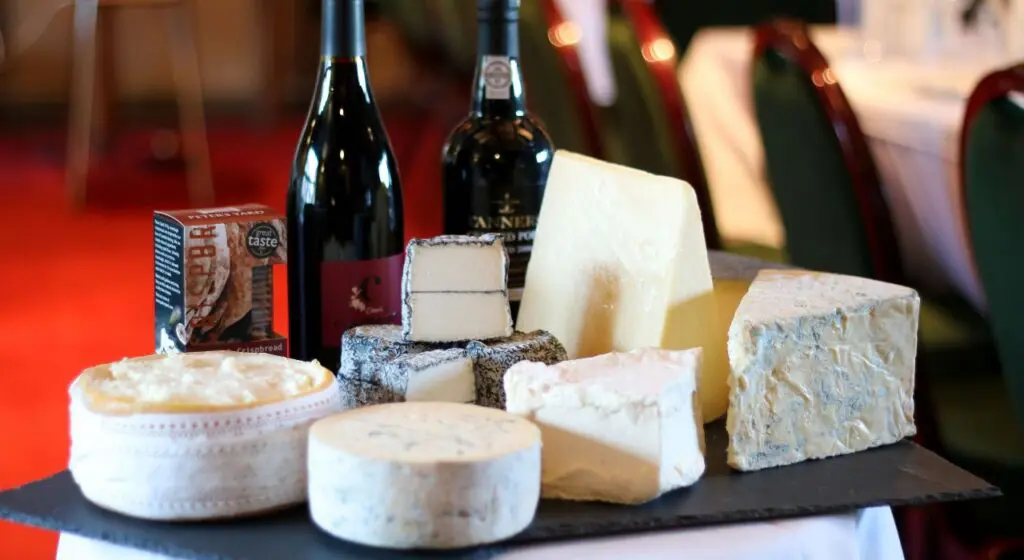
Imagine a treasure trove of cheeses from across the globe, curated and verified by experts to inspire cheese lovers and professionals alike. Welcome to the Cheese Library.
From delicate fresh goat’s cheeses and farmstead cheddars to punchy washed-rinds and mighty Alpines, whether small-batch, handmade artisanal to globally recognised iconic cheese-board staples, the Cheese Library has them all.
The Academy of Cheese created and continues to develop the Library to fuel its mission of education and inspiration, offering a full page devoted to each cheese. Providing the full story, it is brimming with all the information you need; from the skill behind a cheese’s creation and the artisans behind it, to its flavour profile and perfect pairing suggestions.
Why is the Academy of Cheese Library Important?
The Academy of Cheese Library is more than just a database; it’s a cornerstone for anyone passionate about cheese, offering unmatched depth and accuracy. Here’s why it’s indispensable:
1. Education and Certification Support
Designed to align with the Academy’s learning programmes, the Library is a vital tool for students and professionals preparing for cheese certifications. It provides the foundational and advanced knowledge needed to master the world of cheese.
2. Professionally Checked & Verified
Every entry in the Cheese Library has been meticulously checked and verified by industry experts. Whether you’re studying for exams, looking for a reliable reference behind the counter, or seeking a quick guide in the kitchen, the Library ensures you have access to the most accurate, up-to-date information—all in one place.
3. Over 450 Cheeses and Growing
The Academy of Cheese Library celebrates the rich diversity of cheeses worldwide. With over 450 entries and growing, each cheese is carefully selected to meet one or more of the following criteria:
- Unique Production Method: Showcasing cheeses that stand out due to their distinctive cheesemaking techniques.
- Cultural or Legal Significance: Including cheeses with protected status (e.g., PDO, PGI) or those with deep traditional or cultural importance.
- Representation of the Make Post-Make Model: Highlighting cheeses that demonstrate the Academy’s categorisation system, from Make to Post-Make processes.
- Varied Milk Sources: Featuring cheeses crafted from different milk types, including cow, goat, sheep, buffalo, and blends.
The Library continues to expand, offering a comprehensive look at the world of cheese and the artistry behind it.
4. A Global Celebration of Cheese
The Library showcases the diversity of cheeses from around the world, celebrating traditional techniques, cultural significance, and modern innovations. It brings recognition to iconic cheeses and shines a light on small-scale, artisanal producers.
5. Accessible for Everyone
Whether you’re a student, a professional, or simply a cheese enthusiast, the Library offers insights that cater to your needs. With free access to Featured Cheeses and subscription options for full access, it’s a resource designed to inspire and educate all.
6. Bridging the Cheese Community
By using shared tools like the Make Post-Make model and flavour wheels, the Library fosters a common language for understanding and communicating about cheese. This helps connect cheesemakers, retailers, and enthusiasts worldwide.
Features of the Cheese Library
Gone are the days of flipping through encyclopaedias or navigating countless websites for reliable cheese information. The Academy of Cheese Library puts everything you need in one place, offering expertly curated, comprehensive digital and downloadable fact sheets for over 450 cheeses.
Here’s What You Can Discover in Each Cheese Profile
The Cheese Library offers detailed profiles that provide an in-depth understanding of each cheese. Here’s a closer look at the key features you’ll find:
1. Country of Origin
Discover the geographical roots of each cheese and how regional traditions, climates, and terroir influence its production and flavour. From French Brie to Italian Pecorino, learn the cultural and historical context that makes each cheese unique.
2. Protected Status
Uncover the significance of designations like PDO (Protected Designation of Origin), PGI (Protected Geographical Indication), and TSG (Traditional Speciality Guaranteed). These labels ensure authenticity, quality, and adherence to time-honoured production methods, guaranteeing a true taste of tradition.
3. Milking Animal Species
Explore the diverse sources of milk used in cheesemaking—cow, goat, sheep, buffalo, and even blends. Each milk type brings distinct flavours, textures, and aromas to the cheese, shaping its overall profile and availability.
4. Rennet Type
Learn about the type of rennet used in cheesemaking, whether animal-based, vegetarian, or microbial. This detail helps determine not only the production process but also whether the cheese is suitable for vegetarian diets, making it easier to cater to diverse preferences.
5. Milk Treatment
Understand the influence of milk treatment—whether raw, pasteurised, or thermised—on a cheese’s flavour, texture, and safety. For example, raw milk retains natural bacteria and microflora unique to each farm, allowing for the creation of distinct, seasonally varying cheeses that reflect the farm’s ‘terroir.’.
6. Make Post-Make Classification
Gain insights into how cheeses are classified based on the Academy’s Make Post-Make Model. Learn how initial production methods (Make) and subsequent processes like mould ripening or washing (Post-Make) shape a cheese’s texture, flavour, and style.
7. Maturation & Age Profiles
Dive into the science and art of cheese ageing. Discover how the length and conditions of maturation—from a few weeks for soft cheeses to years for hard varieties—affect a cheese’s texture, intensity, and flavour complexity.
8. Cheese Variations
Explore the diverse forms a single cheese can take, from different wheel sizes to smoked or flavoured versions. These variations reflect the creativity of cheesemakers and offer unique ways to enjoy a classic cheese.
9. Production Details
Learn about the people and places behind each cheese, from small-scale artisan producers crafting handmade masterpieces to large cooperatives preserving traditional methods. This adds a personal connection to every cheese you enjoy.
10. Tasting Profiles
Benefit from detailed notes on the appearance, texture, aroma, and flavour of each cheese. These profiles guide you through what to expect when tasting, helping you appreciate the intricate balance of qualities that make each cheese exceptional.
11. Pairing Recommendations
Elevate your cheese experience with expertly curated pairing suggestions. From wine and beer to fruits and condiments, these recommendations ensure the perfect complement to any cheese, making every bite memorable.
Example Cheese Profiles:


Who is the Cheese Library For?
The Cheese Library was created to inspire and educate cheese lovers and professionals alike. With detailed profiles devoted to each cheese, it provides the full story—covering everything from production techniques to flavour profiles and pairing suggestions. Whether you’re studying, working, or simply exploring, the Library has something for everyone.
1. Cheese Students: Your Ultimate Study Companion
Preparing for your Academy of Cheese exams? The Cheese Library offers all the tools you need to succeed. From PDO, AOP, and PGI designations to milk sources and flavour wheels, it’s your one-stop resource for acing your certification and expanding your cheese knowledge.
2. Cheesemongers: Enhance Your Expertise
Need to confirm whether a cheese is made with raw or pasteurised milk? Curious about wheel sizes or ideal pairings? The Cheese Library is your professional toolkit, helping you answer customer queries with confidence, train staff effectively, and boost sales through detailed tasting notes and pairing ideas.
3. Chefs: Find the Perfect Cheese for Your Dish
Creating a dish that calls for a specific cheese? Use the Library’s classification system to identify suitable alternatives. You might discover a hidden gem from a local producer or a cheese that transforms your recipe into a masterpiece.
4. Sommeliers: Your Pairing and Flavour Guide
The Perfect Pairings section of the Cheese Library helps you match drinks with cheeses effortlessly. Detailed origin and flavour profiles ensure you can impress guests with expert recommendations and tasting notes, making every pairing an unforgettable experience.
5. Cheese Lovers: Discover, Learn, Enjoy
The Cheese Library is your gateway to discovering new favourites and enhancing your appreciation of cheese. Use it to build the perfect cheeseboard, explore new flavours, or impress friends with origin stories and fun cheese trivia.
6. Home Cooks: Inspiration for Every Meal
Bring the artistry of cheese into your kitchen. Whether you’re creating a comforting classic or experimenting with new recipes, the Library helps you find the best cheese for every dish.
7. Food Writers: Your Fact-Checking Ally
Meet your deadline with confidence using the Library’s expertly researched and verified profiles. From flavour profiles to historical details, the information you need is at your fingertips, straight from the cheesemakers themselves.
8. Cheesemakers: Showcase Your Craft to the World
The Cheese Library is a powerful platform for sharing your cheeses with a global audience. Featuring entries from small, independent producers to large-scale co-operatives, it introduces your products to thousands of subscribers annually, connecting you with cheese lovers and professionals worldwide.
How is the Cheese Library Integrated into Academy Certifications?
The Cheese Library is a cornerstone of the Academy of Cheese’s certification programmes, providing an invaluable resource for students at every level of their learning journey. Here’s how it is integrated into the Academy’s tiered education system:
Level 1: Associate of the Academy of Cheese
At the introductory level, students are introduced to 25 iconic cheeses featured in the Library. Each profile helps students:
- Understand the basics of cheese production, flavour, and appearance.
- Identify key characteristics such as Make Post-Make classification, milk type, and protected status (PDO, PGI, TSG).
- Build a strong foundation for cheese vocabulary and categorisation.
The Cheese Library supports the Level 1 Structured Approach to Tasting, helping students refine their ability to assess cheese by appearance, texture, aroma, and flavour.
Level 2: Member of the Academy of Cheese
At this stage, students dive deeper into cheese knowledge with 100 cheeses from the Library, including the 25 from Level 1. The Library enables students to:
- Explore a wider variety of cheeses, covering diverse milk types, production methods, and maturation processes.
- Gain proficiency in the Academy’s Simple and Complex Flavour Trees, which help students articulate flavour and aroma with confidence.
- Expand their understanding of cheese classification through advanced Make Post-Make categorisation, such as sub-makes and post-make processes.
The Library serves as both a study guide and a practical reference for assessments.
Level 3: Fellow of the Academy of Cheese
At this advanced level, students engage with 300 cheeses from the Library, building on the 100 from Level 2. The Library’s role at this level includes:
- Offering detailed profiles that provide insights into the complexities of cheese production, maturation, and regional diversity.
- Supporting self-directed study for the Level 3 assessment, which requires in-depth knowledge of cheese styles, flavours, and production methods.
- Encouraging students to explore the historical, cultural, and technical aspects of cheeses in preparation for their research and professional application.
Speaking the Universal Language of Cheese
Reliable, consistent, and effective communication is a cornerstone of the Academy of Cheese’s teaching and certifications. Through the Cheese Library, Make Post-Make Model (MPM), Flavour Wheels, and the Structured Approach to Tasting (SATC), the Academy provides tools to describe, classify, and evaluate cheese with precision, whether you’re a student, professional, or enthusiast.
The Make Post-Make Model (MPM)
With thousands of cheeses worldwide, the MPM model offers an intuitive classification system that groups cheeses by:
- Make: The initial curd or cheese production process, categorised as Soft, Crumbly, Hard, or Hard-Cooked.
- Post-Make: Processes applied after the curd is formed, such as mould ripening, smoking, or washing.
Every cheese in the Cheese Library is classified using the MPM model, making it an essential tool for understanding production, texture, and flavour. For instance:
- Blue Stilton: Crumbly (Make) and Internal (Blue) Mould Ripened (Post-Make).
- Brie-style cheese: Soft (Make) and External Mould Ripened (Post-Make).
At Level One, students learn the four primary Make classes and their corresponding Post-Make processes. At Level Two and beyond, the system expands into Sub-Makes and Sub-Post-Makes, offering deeper insights into the intricate world of cheese production.
“As a cheesemonger, I find the MPM model intuitive and practical. It provides a framework to organise our cheese cabinet, build platters, and benchmark quality.”
Flavour Wheels and a Structured Approach to Tasting
Describing the taste and aroma of cheese can be challenging. The Academy’s Flavour Wheel introduces the five Simple Flavours (Sweet, Salty, Savoury, Acidic, Bitter) and expands into numerous Complex Flavours (e.g., Fruity, Nutty, Umami). This tool helps:
- Students identify expected flavours in the Cheese Library’s Character Section.
- Professionals articulate flavour profiles clearly for customers and clients.
- Writers and cheesemongers find precise vocabulary for describing cheeses.
The free-to-download Flavour Wheel is complemented by the Structured Approach to Tasting Cheese (SATC), a detailed framework for assessing cheese. It considers factors like:
- Appearance: Look and colour of the rind and paste.
- Texture: From creamy to crumbly.
- Smell: Aromas ranging from floral to earthy.
- Taste: Using the Flavour Wheel to identify both simple and complex notes.
By using SATC alongside the Cheese Library, students develop skills to assess cheese maturity and quality holistically, ultimately creating their own personal “Cheese Library” for future reference.
Integration with the Cheese Library and Certifications
The MPM model, Flavour Wheels, and SATC are directly tied to the Cheese Library and its role in Academy certifications:
- Level One: Students learn the basics of classification and tasting using the Flavour Wheel and SATC, reinforced by Cheese Library examples.
- Level Two: Explore advanced classifications (Sub-Makes and Sub-Post-Makes) and identify complex flavour profiles in the Library.
- Level Three and Beyond: Apply mastery of MPM and SATC while studying the Library’s extensive database and assessing cheeses at a professional level.
Why It Matters
By combining the MPM model, Flavour Wheels, SATC, and Cheese Library, the Academy creates a universal framework for understanding and communicating about cheese. This shared language ensures that students, professionals, and enthusiasts can confidently describe, classify, and enjoy cheeses from around the world.
How to Access the Cheese Library
The Cheese Library is the most up-to-date and professionally verified resource for anyone passionate about cheese. Designed to support Academy of Cheese delegates in their studies, it’s an invaluable tool for exam preparation and beyond.
1. Access for Delegates:
As an Academy delegate, unlimited access to the Cheese Library is included in your benefits. Whether you’re exploring flavour profiles or seeking perfect pairing suggestions, the Library has everything you need to succeed in your certification and expand your cheese knowledge. Plus, every entry is conveniently available as a downloadable PDF for quick and easy reference.
2. Continued Access for Alumni:
Once you’ve gained your certification, you can maintain full access to the Cheese Library and other Learning Road resources by renewing your annual subscription. Stay connected to the world of cheese and keep expanding your expertise.
3. Explore Featured Cheeses for Free:
Not yet an Academy delegate? No problem! You can start exploring the Featured Cheeses in the Library today, no subscription required. Discover iconic cheeses and get a taste of what the Library has to offer.
Frequently Asked Questions
*What Does Protected Status Mean?
Some UK and European cheeses have protected status; for instance, a Brie de Meaux is protected, whilst generic bries are not; and although cheddar is not a protected name, West Country Farmhouse Cheddar is. A cheese can be protected, based on where it is made geographically; how it is made, eg hand-ladled; the source of milk (certain breed of cow for example) and whether it’s pasteurised. The protection of these cheeses is important to producers, wholesalers, retailers and consumers as they have an implication on the price and quality of the end product.
I’ve passed my exam, can I still access the Cheese Library?
Yes! You have unlimited access to the Cheese Library for 12-months from your enrolment date, regardless of when you passed your exam. After 12 months, you will need to renew your subsctiption to give you complete access again. Until then you can view the Featured Cheeses only.
Subscription expires (12 months after enrolment), you will have access to just the featured cheeses. You can renew your subscription for £50 per year to give you complete access again.
I have never studied with the Academy of Cheese, how can I access the Cheese Library?
You have unlimited access to the Featured Cheeses in the Cheese Library. To unlock all other cheeses, you will need to have an active subscription. These can be purchased here.
How often is the Library updated?
We continue to work with cheese makers and international wholesalers in order to build the Cheese Library whilst maintaining the accuracy of its entries. It is reviewed and updated on an ongoing basis and when we are made aware of any changes, for example when a cheesemaker changes milk supply from raw milk to pasteurised.
How do I suggest a cheese to be added?
Aside from meeting a defined criteria for inclusion within the Cheese Library, such as having protected status, or demonstrating a certain process in its development according to the Academy’s Make Post-Make model, there is no set qualification for cheeses to appear. If you make a cheese that satisfies these criteria, then we would love to hear from you. Preference and priority will, however, be given to Patrons and Supporters’ cheeses, as well as those that are studied at Levels One, Two and Three.
If I spot an error, how do I report it?
We aim to provide the most up-to-date and accurate information, however, sometimes a cheesemaker may change a recipe or stop producing a certain cheese. If you are aware of any anomalies, please do get in touch with us here.












COMMENTS