


Introduction
Few cheeses demonstrate the transformative power of time quite like Aged Gouda. What begins as a supple, sweet, washed-curd cheese matures into something deeply complex: firm, crystalline, and layered with flavours of caramel, toasted nuts, brown butter and spice. Though now produced around the world, Gouda remains inseparable from its Dutch heritage – a cheese shaped by trade, craftsmanship and centuries of agricultural tradition.
This post explores the cheese’s origins, the meticulous steps involved in its production, and the flavour complexity that makes it a favourite on cheeseboards around the world.
Using the Academy of Cheese’s Make Post-Make (MPM) model, we’ll break down the stages of Aged Gouda’s creation and apply the Structured Approach to Tasting Cheese to explore its distinctive sensory profile.


The History of Aged Gouda
Medieval Market Origins
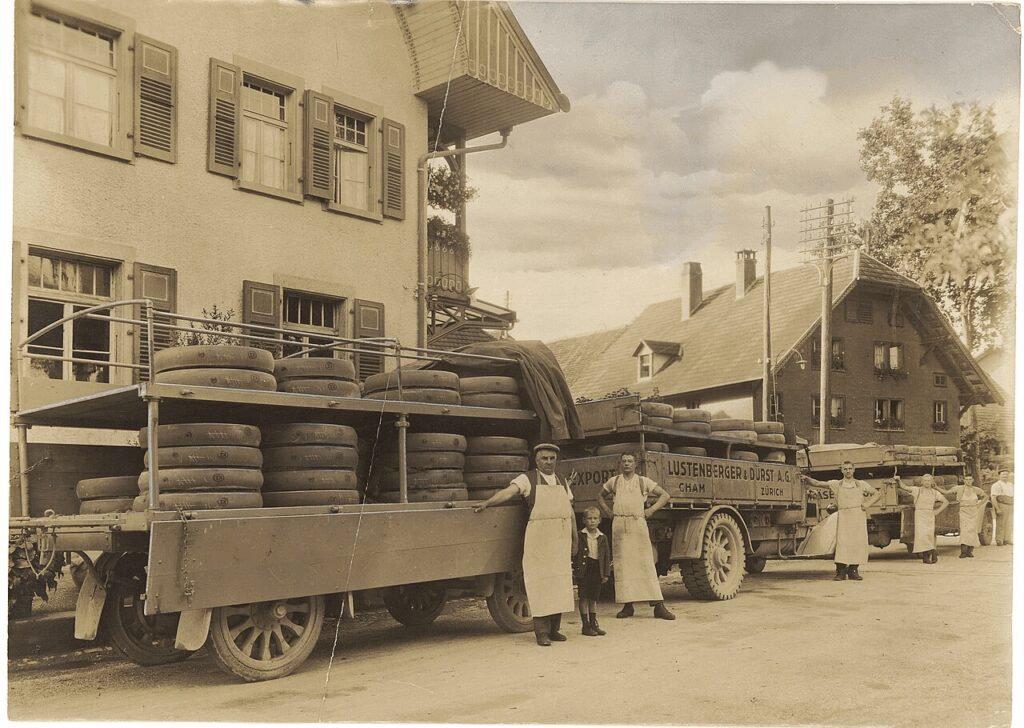
Gouda takes its name from the town of Gouda in South Holland, not because it was necessarily made there, but because it was historically traded there. In the Middle Ages, Dutch towns were granted market rights, and Gouda became one of the principal cheese trading centres of the Netherlands. Farmers from the surrounding countryside brought their wheels into town to sell, benefitting from Gouda’s access to waterways that connected the region to major trade routes.
The Dutch Golden Age & Expansion of Trade
By the 17th century – the Dutch Golden Age – cheese was an important export commodity. The Netherlands’ fertile, low-lying pastures supported extensive dairy farming, and cheesemaking became both a household craft and a commercial enterprise. Farms commonly produced Gouda-style cheeses as a practical way of preserving surplus milk. The large, durable wheels were ideal for ageing and transport, making them suitable for export across Europe and beyond.
Gouda Cheese Market
The traditional cheese market in Gouda became famous for its ritualised trading method. Buyers and sellers negotiated prices through a ceremonial handclap system: a theatrical bargaining process still demonstrated today during summer markets. The weighing of cheeses took place in the historic Weigh House (Waag), reinforcing Gouda’s status as a centre of regulated, trusted trade.
Industrialisation & Global Spread
In the 19th and 20th centuries, cheesemaking gradually shifted from farmstead production to cooperative dairies and larger creameries. Today it is made globally – from Europe to North America and beyond – yet the archetype remains unmistakably Dutch.
Modern artisan producers have also revived interest in long-aged Gouda, maturing wheels for 18, 24, 36 months or more. These extended maturations echo historical practices when ageing was not merely stylistic, but essential for preservation and trade.
From medieval market square to global cheeseboard staple, Gouda’s story is one of adaptation and endurance – a cheese shaped as much by commerce and culture as by milk and time.
Historically, most Gouda was produced on farms by women, who were responsible for transforming milk into stable, tradable goods. The washed-curd technique – replacing some whey with warm water – evolved as a way to create a sweeter, less acidic cheese that aged gracefully. This method proved especially suited to longer maturation, which likely gave rise to the deeply flavoured aged styles we prize today.
Aged Gouda: The Make Post-Make Model
Understanding the production of Aged Gouda through the Academy of Cheese’s Make Post-Make model provides insight into its defining characteristics.
Make Stage:
Whilst Gouda is typically made with cow’s milk, goat’s milk versions are becoming more prevalent, being made from raw or pasteurised milk. Gouda is a washed-curd cheese, a defining step in its make process. After the curd is set with rennet, cut and stirred, a portion of the whey is drained and replaced with warm water. This process reduces lactose content, meaning bacteria produce less lactic acid. The result is a sweeter, less acidic cheese with characteristic caramel and butterscotch notes.
The warm water also raises the curd temperature (to approximately 36°C), helping expel additional whey. The curds are then moulded and pressed into large wheels, brined for flavour and preservationOnce set with rennet, the curd is cut and some of the whey is replaced with hot water to lower the acidity, whilst driving off more moisture, resulting in a firm, elastic paste, categorising it as a Hard cheese.
Post-Make Stage:
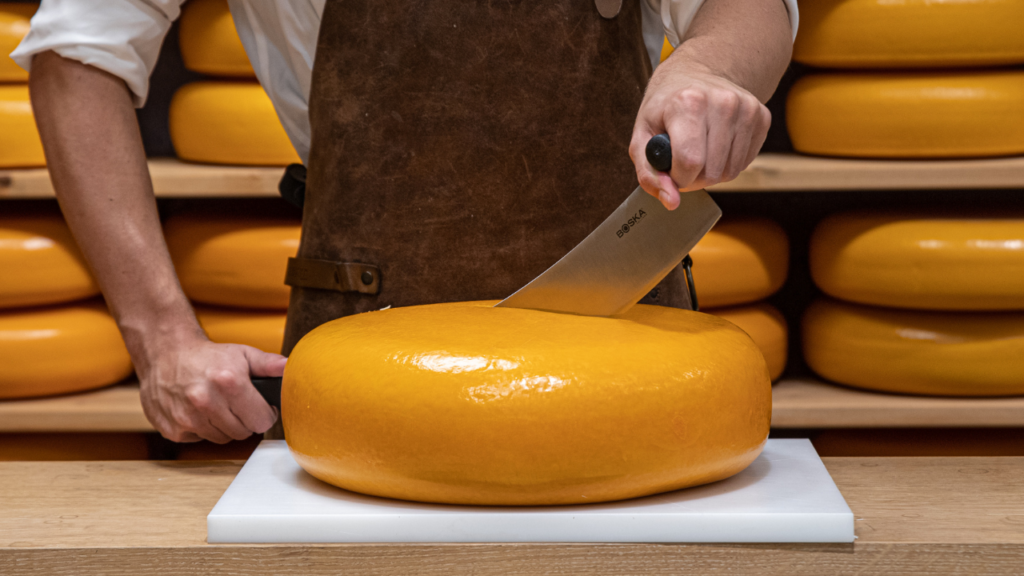
After draining, the rounds are moulded into their wheels, pressed, brined and commonly coated in wax or plastic to prevent excessive moisture loss during maturation. While young Gouda (aged 4–6 months) is mild and supple, Aged Gouda is typically matured for 12 months or longer – often 18, 24, or even 36 months – transforming both texture and flavour dramatically.
Why Ageing Matters
The magic of Aged Gouda lies in time. During maturation:
- Proteins break down into amino acids, forming crunchy tyrosine crystals.
- Fats slowly develop deeper nutty and caramel flavours.
- Moisture reduces, intensifying texture and concentration.
The result is a cheese that shifts from youthful sweetness to complex, almost confectionery richness — without becoming aggressive or overly sharp.
Where is Gouda Made?
The name “Gouda” was never fully protected internationally. As a result, production spread far beyond the Netherlands and is now made all over the globe.
However, certain designations safeguard authentic regional styles:
- Boerenkaas TSG – Farmhouse Gouda made with raw milk on Dutch farms.
- Gouda Holland PGI – Produced and matured in the Netherlands using Dutch milk.
- Noord-Hollandse Gouda PDO – Made exclusively with milk from the Noord-Holland province.
These protections help preserve traditional practices, particularly in an era of industrial cheesemaking.
Characteristics of Aged Gouda
With extended ageing, Gouda evolves from pliable and elastic to hard, dense and brittle. The paste deepens in colour to a rich amber or burnished caramel tone.
Texture:
- Firm to hard
- Brittle and crumbly in older examples
- Closed texture, with or without small round eyes
- No jagged splits or irregular openings
- Often contains crunchy white crystals (tyrosine), a hallmark of maturity

What Does Aged Gouda Taste Like?
Flavour Profile:
- Sweet caramel and butterscotch
- Toasted nuts (hazelnut, almond)
- Brown butter
- Cocoa and coffee undertones
- Gentle savoury depth
- Subtle saltiness
The balance of sweetness and savoury complexity is what makes Aged Gouda so widely adored. Properly matured examples show remarkable depth without sharp acidity.
Cooking with Aged Gouda
Because Aged Gouda is very dry, it is best melted into sauces or shredded for topping rather than used in large, unmelted chunks. You can use it in place of Parmesan if you like for a rich, intense flavour pop and if you haven’t tried making mac and cheese with an Aged Gouda you are really missing out.

What to Pair with Aged Gouda
Aged Gouda’s caramelised sweetness and crystalline crunch make it exceptionally food- and drink-friendly.
Aged Gouda & Beer:
- Stouts and porters (their cocoa notes complement the cheese’s sweetness)
- Belgian dubbels or quadrupels
Wines To Drink with Aged Gouda:
- Robust, fruity reds such as Barolo
- Aged Rioja
- Off-dry Chenin Blanc
- Tawny Port
What to Eat with Aged Gouda
- Apple or pear slices
- Fig jam
- Toasted walnuts
- Dark chocolate
Alternatives to Aged Gouda:
If you love Aged Gouda for its firm texture, caramelised sweetness and crystalline crunch, several other long-matured cheeses offer similarly satisfying characteristics. While each has its own regional identity and production method, they share the depth, umami richness and granular texture that make Aged Gouda so compelling on a cheeseboard.
- Mimolette (France)
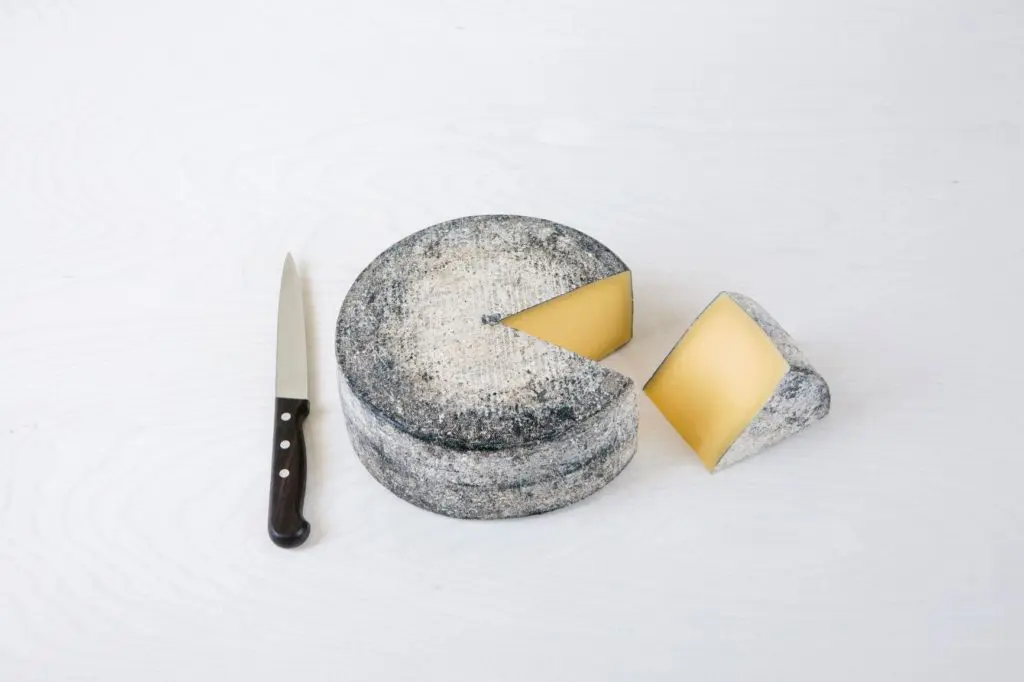
Perhaps the closest in flavour profile, this striking French cheese with its natural grey, pitted rind and vibrant orange paste, develops a brittle texture and pronounced nuttiness as it ages. Like Aged Gouda, it becomes firm and crystalline over time, with notes of caramel, roasted nuts and a slight savoury edge. Its sweetness and crunch make it an excellent stylistic substitute. - Old Winchester (UK)
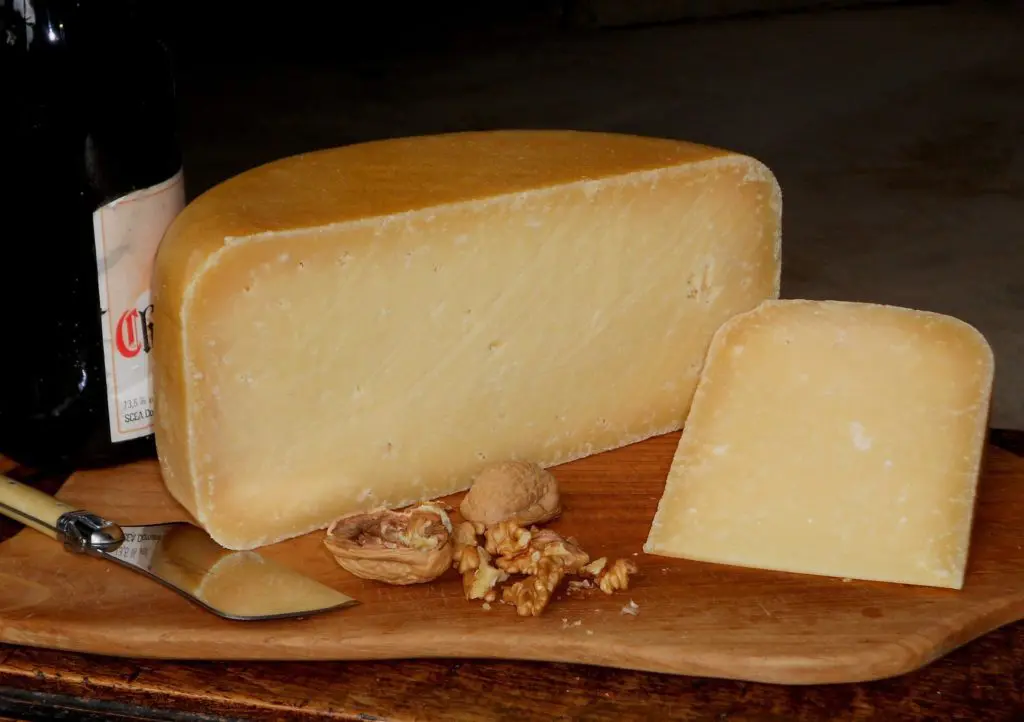
Produced in England, Old Winchester bridges the gap between Gouda and Alpine-style cheeses. It offers butterscotch sweetness alongside toasted nut and umami flavours. With age, it develops a granular, crumbly texture similar to mature Gouda, making it a natural alternative for those seeking British provenance with comparable flavour depth. - Parmigiana Reggiono (Italy)
Iconic and intensely savoury, Parmigiano Reggiano shares the crystalline crunch and concentrated flavour that fans of Aged Gouda appreciate. While less sweet and more umami-driven, its nutty complexity and granular texture make it a strong alternative, particularly in cooking or when shaved over dishes. - Pleasant Ridge Reserve (US)
Produced by Uplands Cheese in Wisconsin, Pleasant Ridge Reserve is an Alpine-style cheese rather than a Gouda-style, but it makes an excellent American alternative to Aged Gouda. When matured beyond 12 months, it develops a firm, slightly crystalline texture with concentrated notes of toasted nuts, browned butter and caramelised sweetness. - Cornish Kern (UK)
This modern British cheese is dense, crystalline and layered with caramel and toasted nut flavours. Its firm, slightly crumbly texture and sweet-savoury balance echo the appeal of Aged Gouda.



View this Cheese in our Cheese Library
Aged Gouda – Conclusion
Aged Gouda is a masterclass in balance: sweet yet savoury, firm yet crystalline, rich yet elegant. Rooted in Dutch cheesemaking heritage but made around the world, it remains one of the most recognisable and beloved aged cheeses.
Whether enjoyed in shards from a cheese knife or paired with a bold red wine, Aged Gouda proves that patience truly pays off.


COMMENTS