

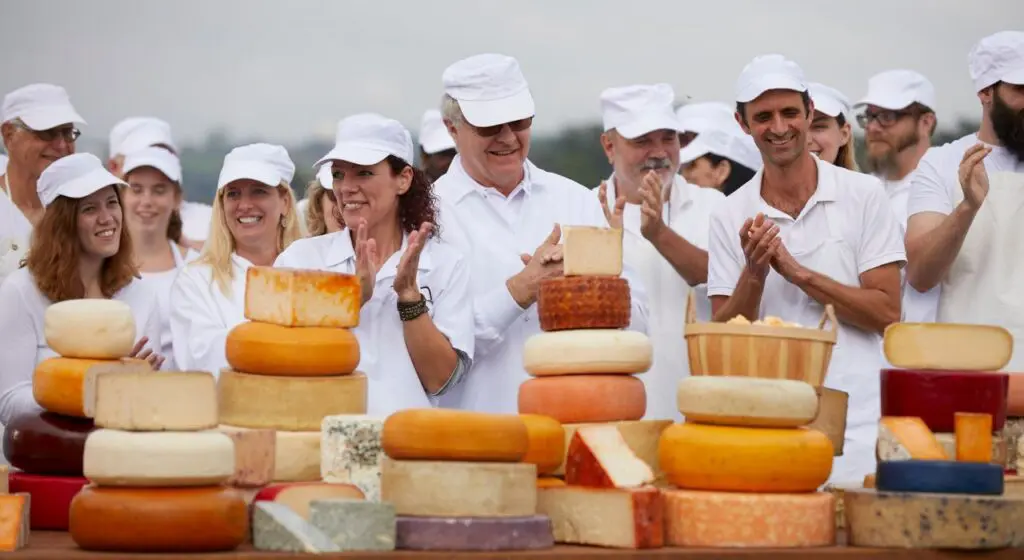

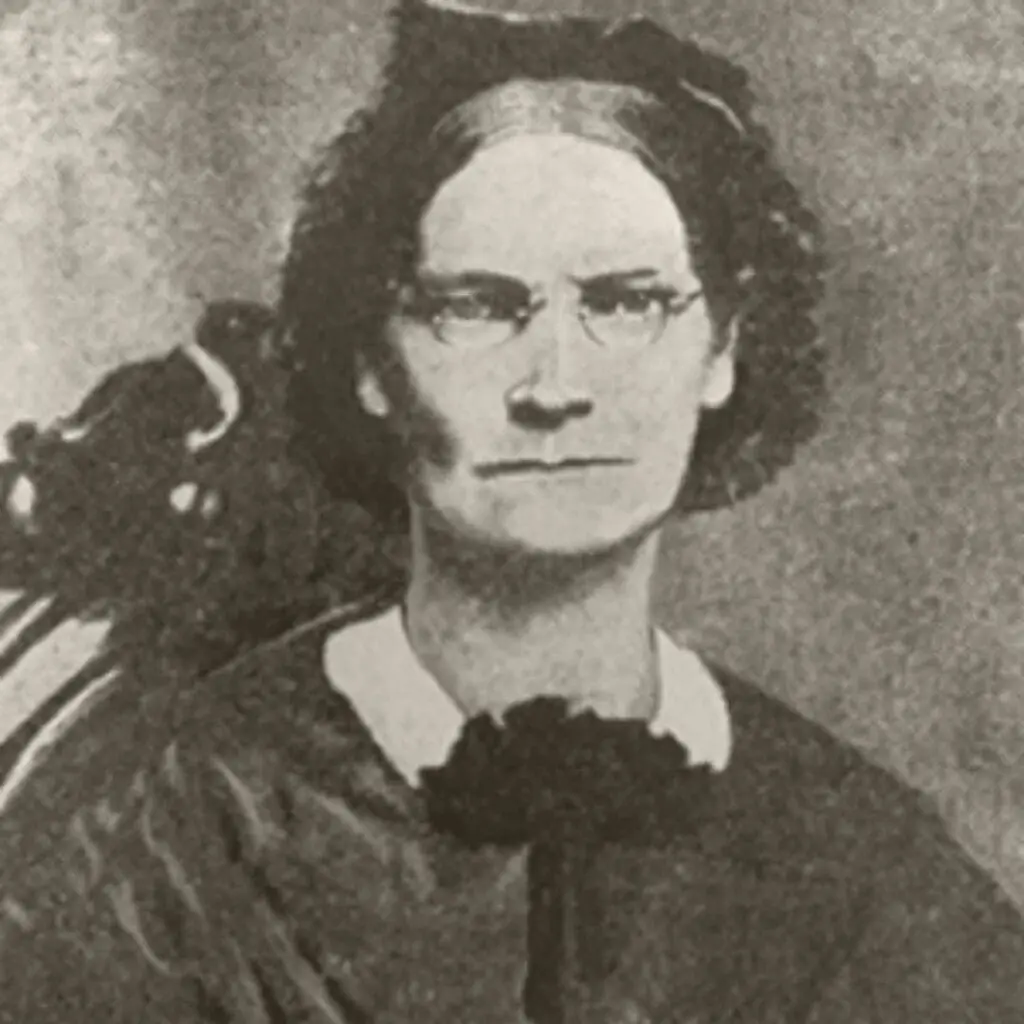
In Wisconsin, we believe great cheese makes the world a better place. It’s something we’ve been sure of since 1841, when early cheese pioneers like Ann Pickett made the state’s first commercial cheese in her log cabin kitchen.
Wisconsin has left an indelible mark on the cheese world because of that belief. But it’s also true that cheese has had a significant impact on the lives and culture of Wisconsinites. Because ninety percent of the state’s milk is made into cheese, it shapes our culture, economy, and culinary traditions.
How Wisconsin Became America’s Dairyland
Wisconsin was built on dairy farming, and the values held by the state’s early dairy farmers – discipline, constant improvement, and education – were codified into what became known as The Wisconsin Idea. A concept first put forward in 1905 by Charles Van Hise, The Wisconsin Idea posited that education was key to progress and should inform agriculture as well as government policy to benefit everyone in the state. Governor Robert LaFollette further promoted it, building a strong relationship between the state’s university system, government, and dairy farmers. This instilled in Wisconsin’s dairy farmers the belief that their lives and livelihoods could be improved through science and research, leading to the creation of several university programs that still exist and benefit the state today.
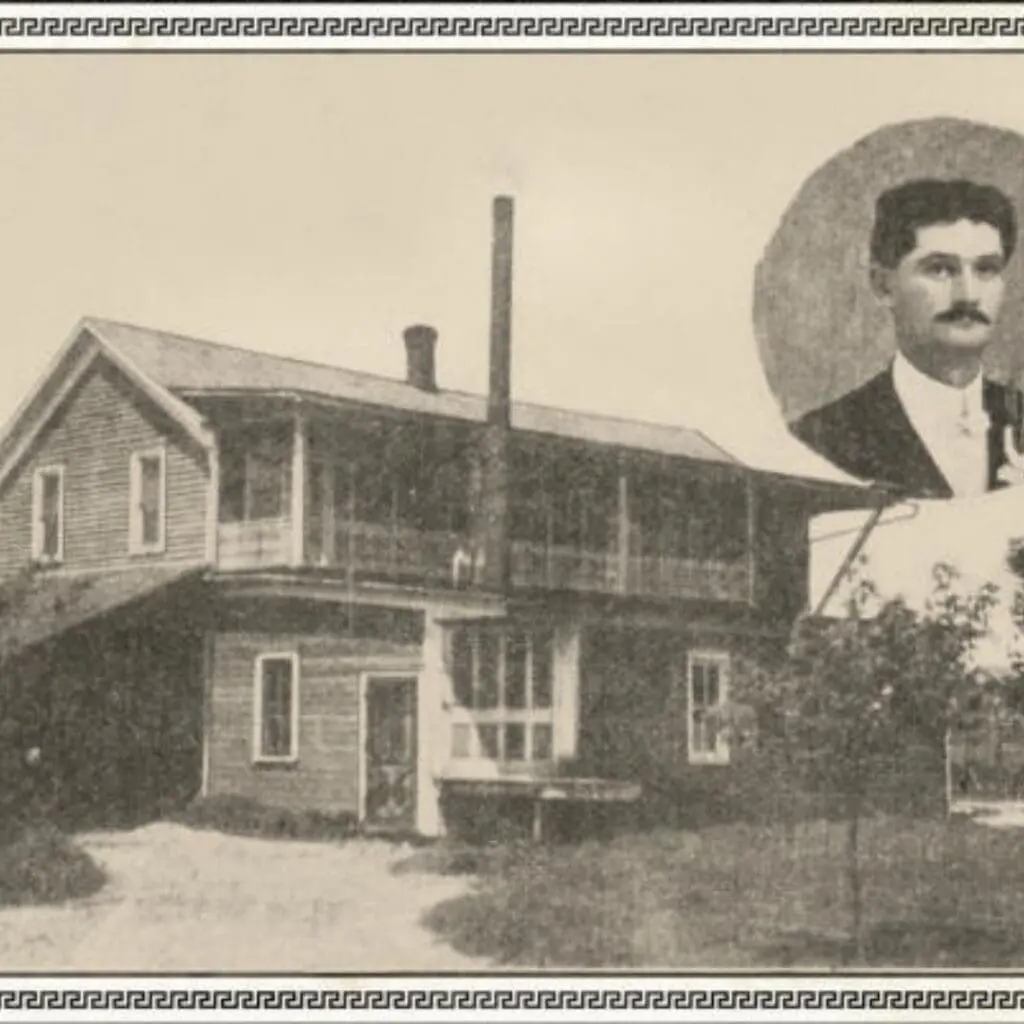
The values that set The Wisconsin Idea in motion also inspired our state motto, “Forward,” and profoundly shaped Wisconsin’s cultural landscape. Early farmers first grew wheat for beer but soon recognized that the geography, temperate climate, and abundant lakes and rivers were perfect for dairy cattle. They shared resources and ideas for this new endeavour, realizing that cooperation and collaboration would ultimately benefit everyone.
The increasing abundance of milk attracted cheesemakers who established themselves around the state, making their equipment from materials at hand and crafting their own recipes to mimic cheeses and tastes they remembered from the Old World. Nearby dairy farmers, in turn, began pooling their milk to sell to them. The results were profound. By 1899, there were 1,500 factories producing more than 80 million pounds of cheese annually.
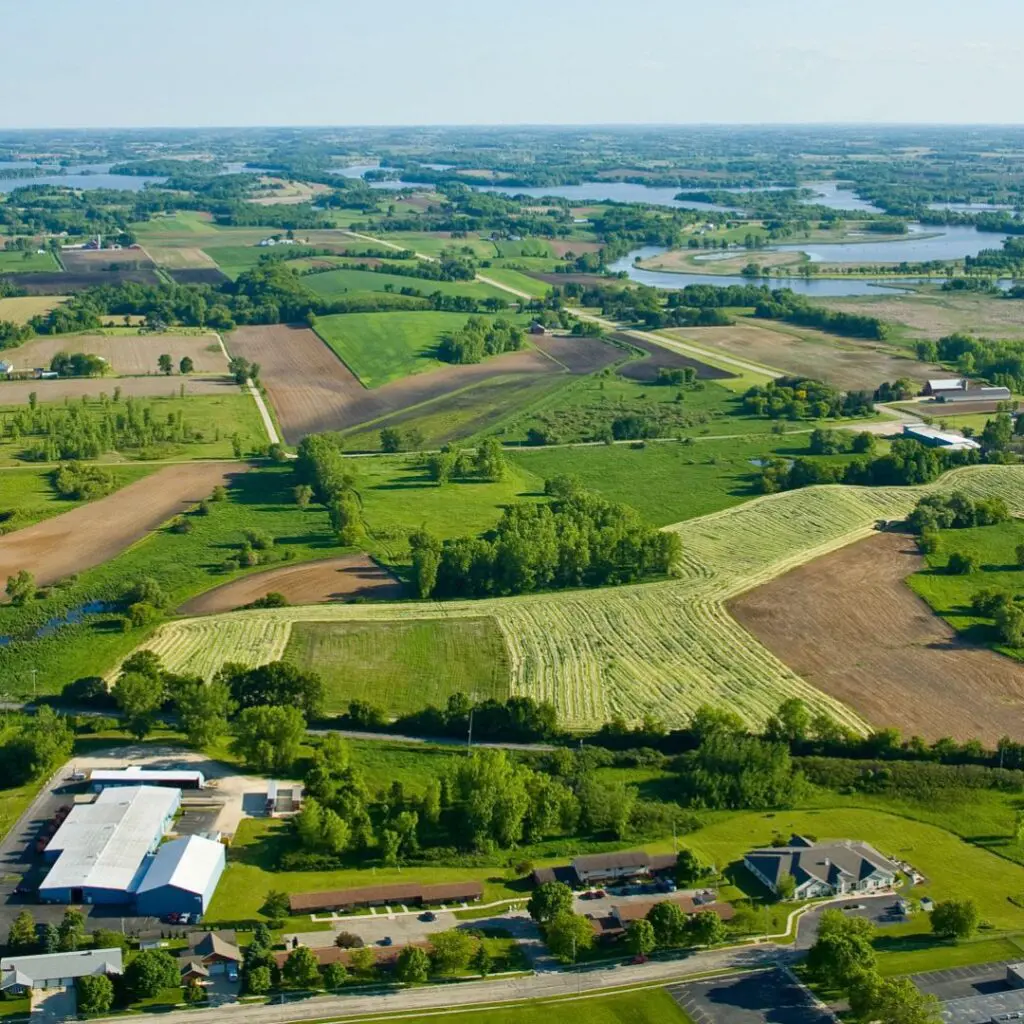
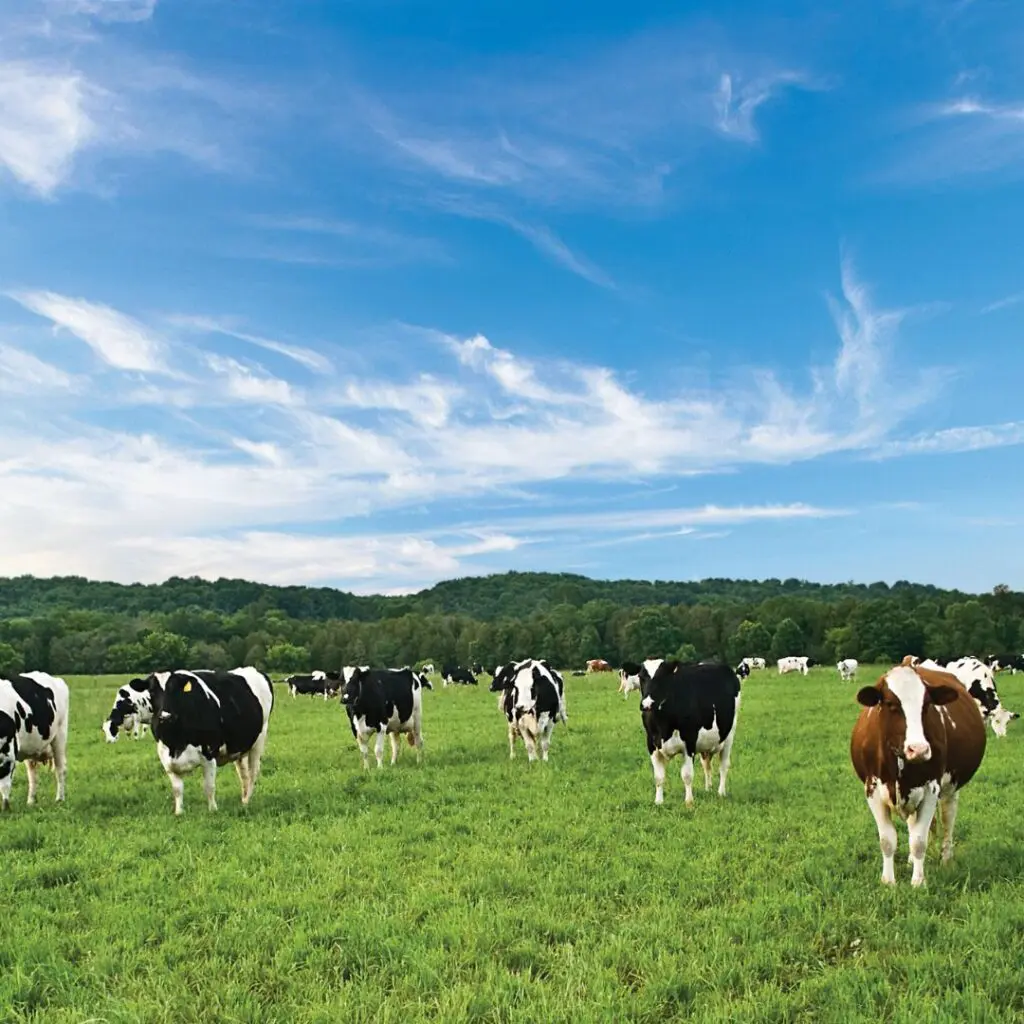
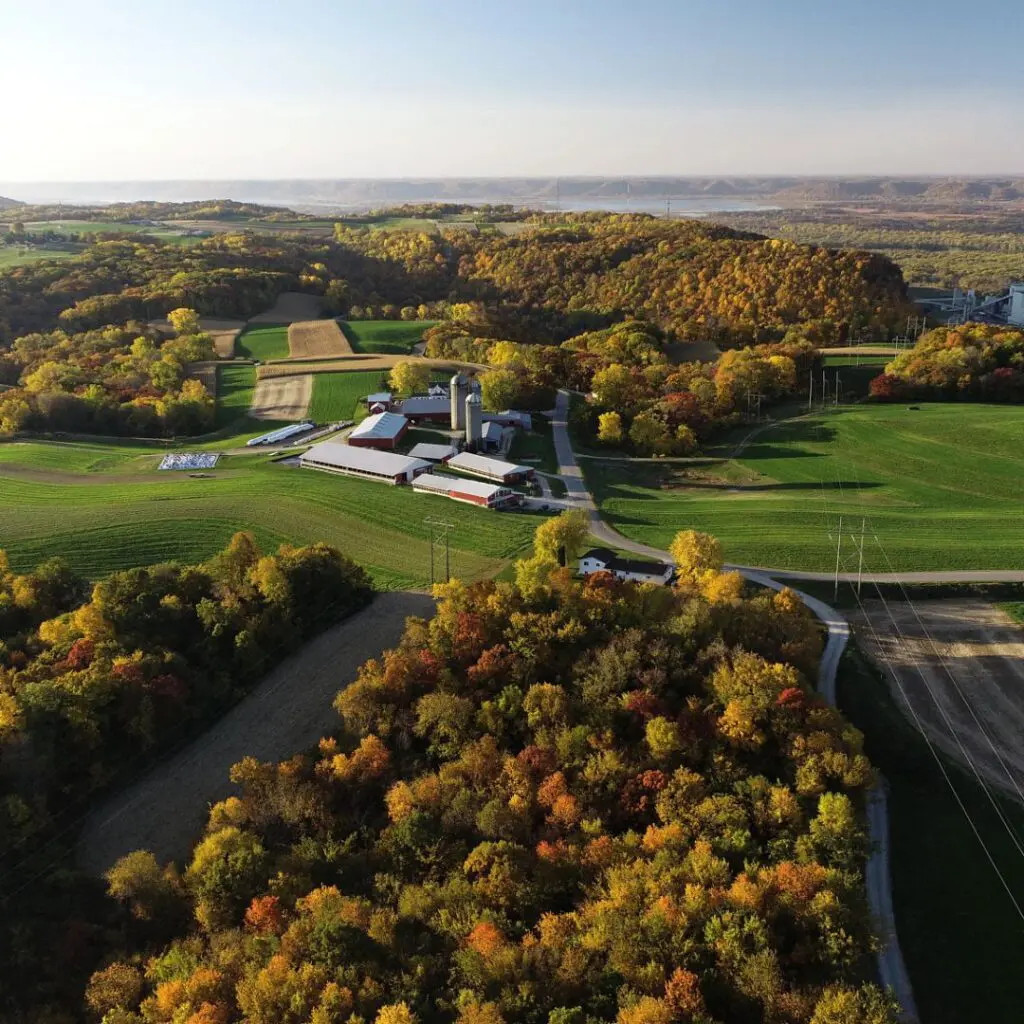
The industry’s rapid growth simultaneously led to the creation of regulatory and educational resources. In 1872, The Wisconsin Dairyman’s Association established a Board of Trade to outline policies and procedures for the marketing, selling, and distribution of Wisconsin cheese. By 1890, the University of Wisconsin-Madison was the heart of dairy technology and training in the state, offering some of the first short courses on cheesemaking. Wisconsin also became the first state to establish grading standards for cheese, which led to licensing requirements for graders and cheesemakers. Wisconsin remains the only state to require a license to make cheese and is home to 1,200 licensed cheesemakers today.
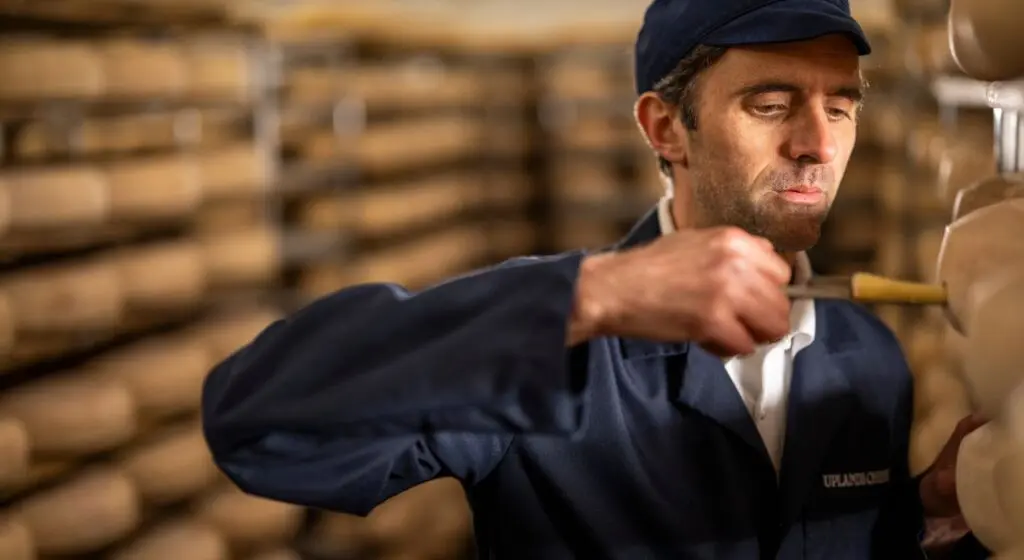
A World of Cheese in One State
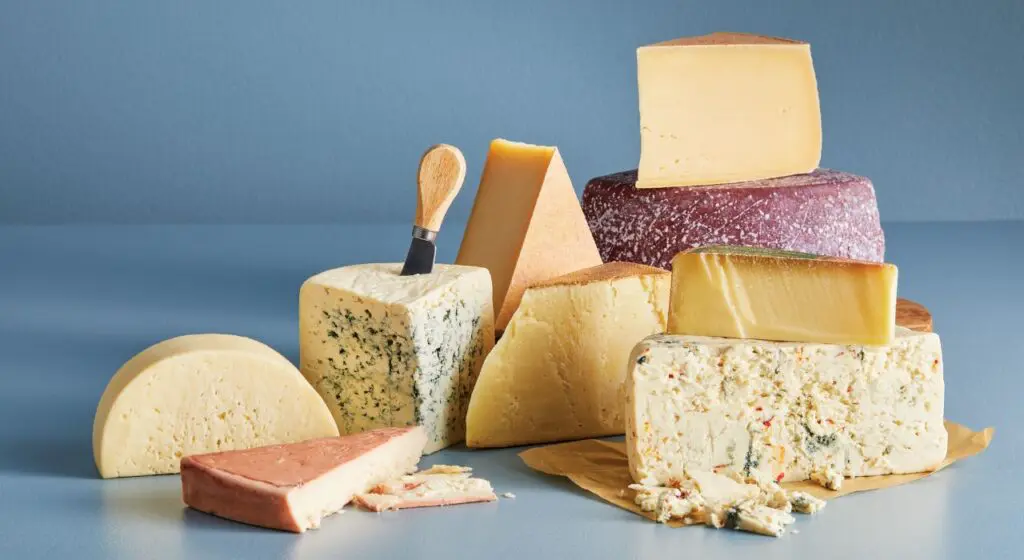
Our diverse immigrant populations brought their cherished cheesemaking recipes, time-honored techniques, and traditions with them. Swiss cheesemakers introduced Alpine-style cheeses, while the English are credited with the state’s affinity for cheddar. The Italians gifted specialties like parmesan and mozzarella, while those from Mexico and Central America brought Latin-style cheeses. The Germans brought a love of limburger, and the Dutch shared gouda.

Wisconsin Original Cheeses
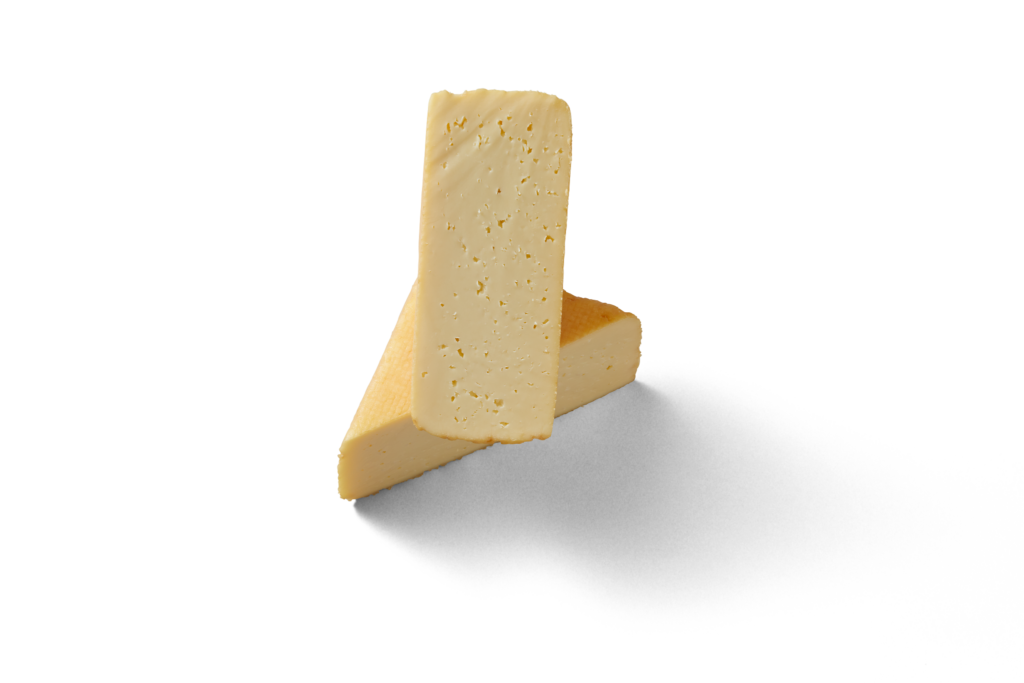
Inspired by those classics, Wisconsin cheesemakers also created original recipes for cheeses like colby and brick. Developed in 1885 by the Steinwand family in Colby, Wisconsin, to answer consumer requests for something less acidic than cheddar, a new cheese arrived. Always orange in homage to its cheddar forebear, colby is aged only three months to achieve its signature velvety texture and mild flavor.
Brick shares a similar story. Originally created in 1877 by John Jossi, a Swiss-born American cheesemaker well-versed in the ways of limburger, the idea was to create a similar washed-rind cheese with a gentler aroma and flavor that would appeal to a broader audience. Making do with what he had on hand, Jossi used actual bricks to press the curd and, subsequently, to define the shape and name of his cheese, which became an instant hit.

The Center for Dairy Research
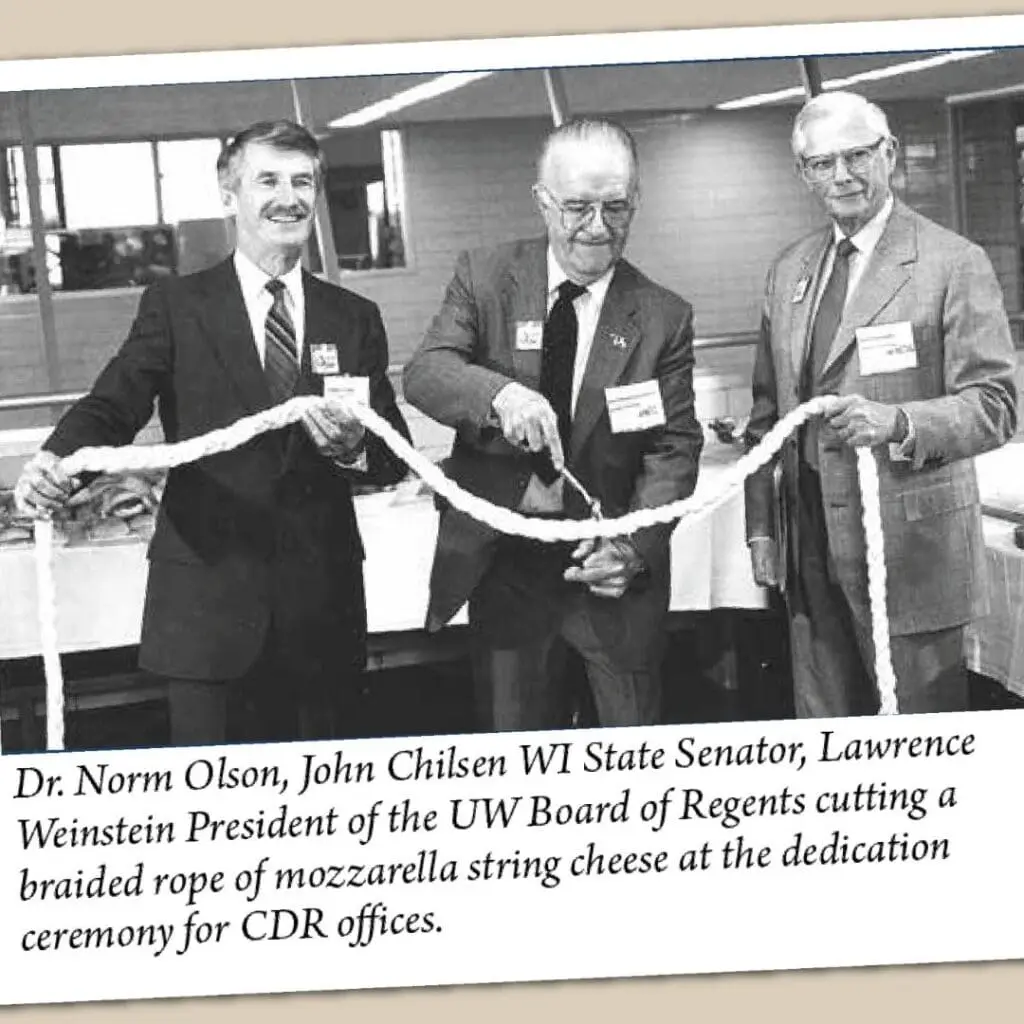
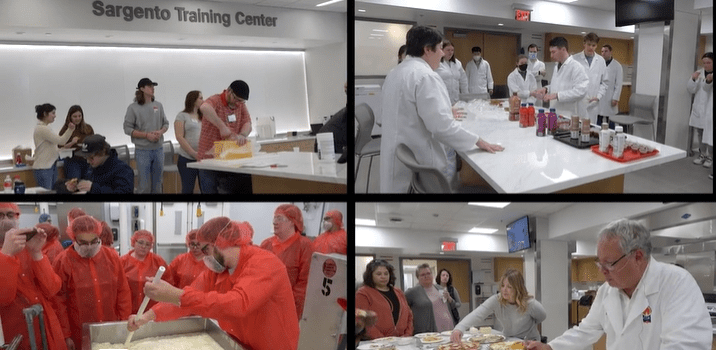
The quest for knowledge and the desire to push boundaries didn’t end with the nineteenth century. Funded by Wisconsin dairy farmers and founded in 1986 to provide cutting-edge research and practical education for the state’s dairy industry, the Center for Dairy Research (CDR) helps lead the future of Wisconsin dairy with a focus on cheese, cultured products, quality and safety, and dairy processing. Its work has further established Wisconsin as a global leader in dairy and cheese technology, and many Wisconsin cheeses available today were developed with the assistance of the experts there.
The Wisconsin Master Cheesemaker® Program
The only program of its kind in the U.S., the Wisconsin Master Cheesemaker® program has been turning licensed cheesemakers into Masters since 1994. Made possible through joint sponsorship with CDR and Dairy Farmers of Wisconsin, this advanced education program allows cheesemakers to reach the highest levels of their craft.
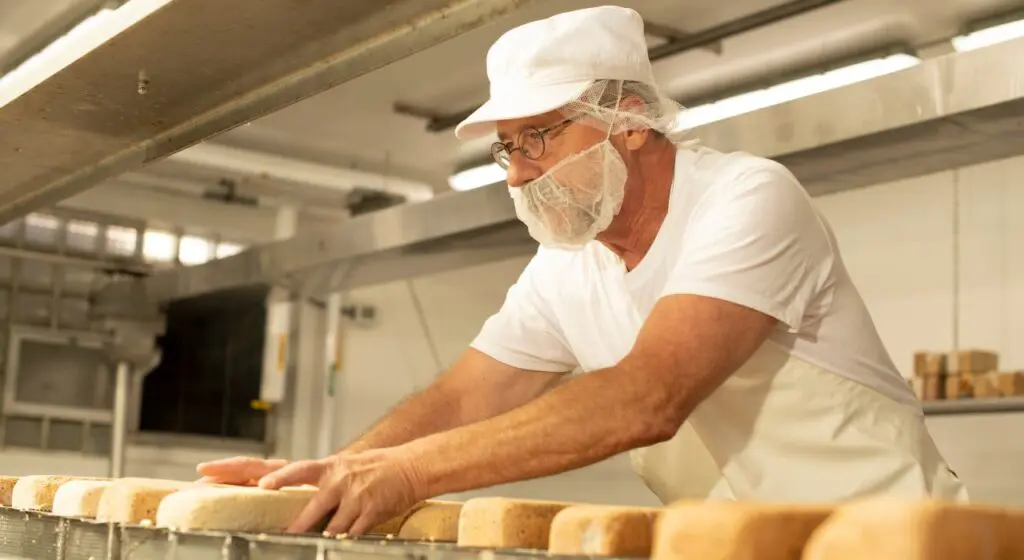
Only veteran cheesemakers who have been making cheese for a minimum of 10 years, with at least five of those crafting the variety for which they seek certification, may apply. They then embark on a rigorous three-year journey of courses and sample testing that culminates with a final written exam requiring up to 40 hours to complete.
The State of Cheese Today
This rich heritage is what allows Wisconsin to continue leading the industry. Our cheesemakers craft half of the specialty cheese in the U.S., introducing more than 600 varieties, types, and styles of cheese to the market, largely through multi-generational family farms and cheese companies. Our legacy of innovation grounded in tradition is also what motivates us and forms the foundation for the nearly 8,000 awards – more than any other region, state, or country – our cheeses have earned. Wisconsin also hosts two prestigious cheese competitions: the U.S. Cheese Championship and the World Championship Cheese Contest.
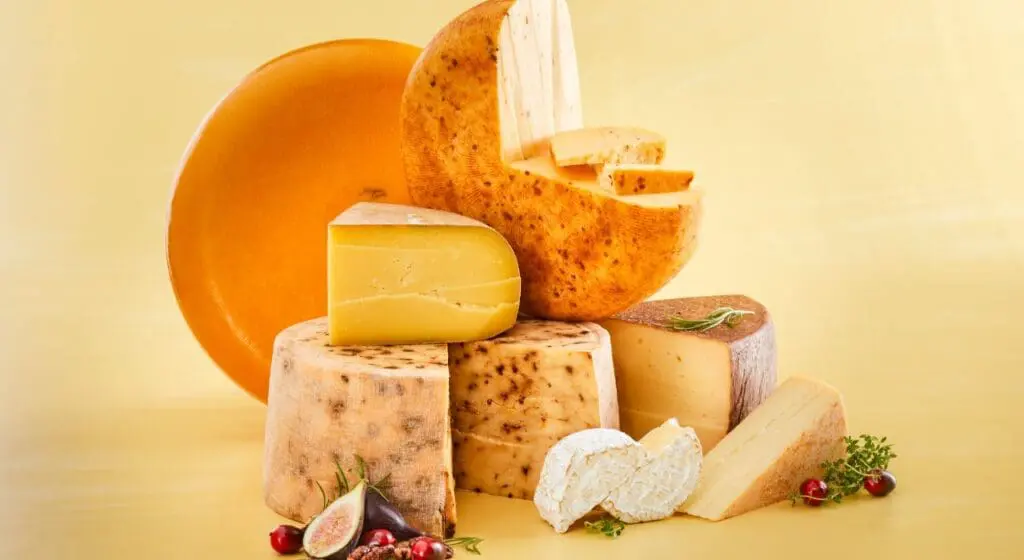
While it might be tempting to rest on our laurels, that isn’t the Wisconsin way. Curiosity, experimentation, and craftsmanship are part of who we are. It’s also how we live up to the example Ann Pickett set in 1841, making the world a better, happier place one wheel at a time.



COMMENTS