Building a Raw Milk Cheese Business in Nottinghamshire
In the heart of Nottinghamshire, on the historic Welbeck Estate, new cheesemaker Jake Goldstein is quietly building something special. His work is rooted in raw milk, traditional methods, and a deep respect for local history. But at its core, it’s also a story about care, craft, and connection.
From Bars to Dairies
For years, Jake’s world revolved around hospitality. He worked in distilleries and cocktail bars in Sussex, eventually running two of his own. Later, he took on a role at a Sheffield gin distillery, which happened to bring him closer to Welbeck. But the pandemic changed everything. When Covid forced him to close his bars, Jake moved back into his mum’s house for a year and started questioning whether late nights and bar work were really what he wanted for the long term.
I knew I wanted to stay in food and drink, but I also knew I didn’t want to go back to the lifestyle of hospitality,” Jake recalls. “I tried butchery for six months, didn’t enjoy it, so decided to go into cheese instead – I’d always loved it.
Jake at Monkland Cheesemakers
The first step was Patrick McGuigan’s Level One Academy course, followed by a move to Herefordshire, where he started applying for local dairy jobs. He joined Monkland Dairy first, then Neal’s Yard Creamery, working full-time in both. There, he learned the rhythms of cheesemaking: the patience of affinage, the importance of milk handling, and the way each small decision shapes a cheese’s flavour and texture.
He also spent a few months as a cheesemonger at Cheeseworks in Cheltenham, learning what it means to sell and talk about cheese. “It gave me loads of practical experience,” he says, “but now I’m looking to build on that with more theory and science to back it up.”
Those days showed him more than just technique. They revealed how cheese carries stories – of farmers, landscapes, and forgotten traditions. That understanding is what fuels his work today.
Moving from the world of cocktails to cheese wasn’t just about learning new techniques. It also meant learning a new mindset. “The hardest part was coming to terms with the fact that cheese is alive and has a mind of its own,” Jake says. “In hospitality, you’re taught that quality and consistency are everything. With cheese, consistency goes out the window. So many variables are out of your control -the humidity in the air, what the cows have eaten that day. At first, I struggled with wanting to control it all. But once I accepted that cheese is reactive, unpredictable, even wild, that’s when I started to find the beauty in it.”
A New Beginning at Welbeck
Now settled at Welbeck, Jake is in the early stages of building his own raw milk cheese business: Primrose Creamery. The name carries a quiet symbolism. Primroses are among the first flowers of spring, a sign of regeneration and new beginnings. For Jake, they represent both the rebirth of old traditions – like Nottinghamshire’s nearly forgotten cheeses – and his own journey of starting something fresh and hopeful from the ground up.
Early Cheeses & Local Stories
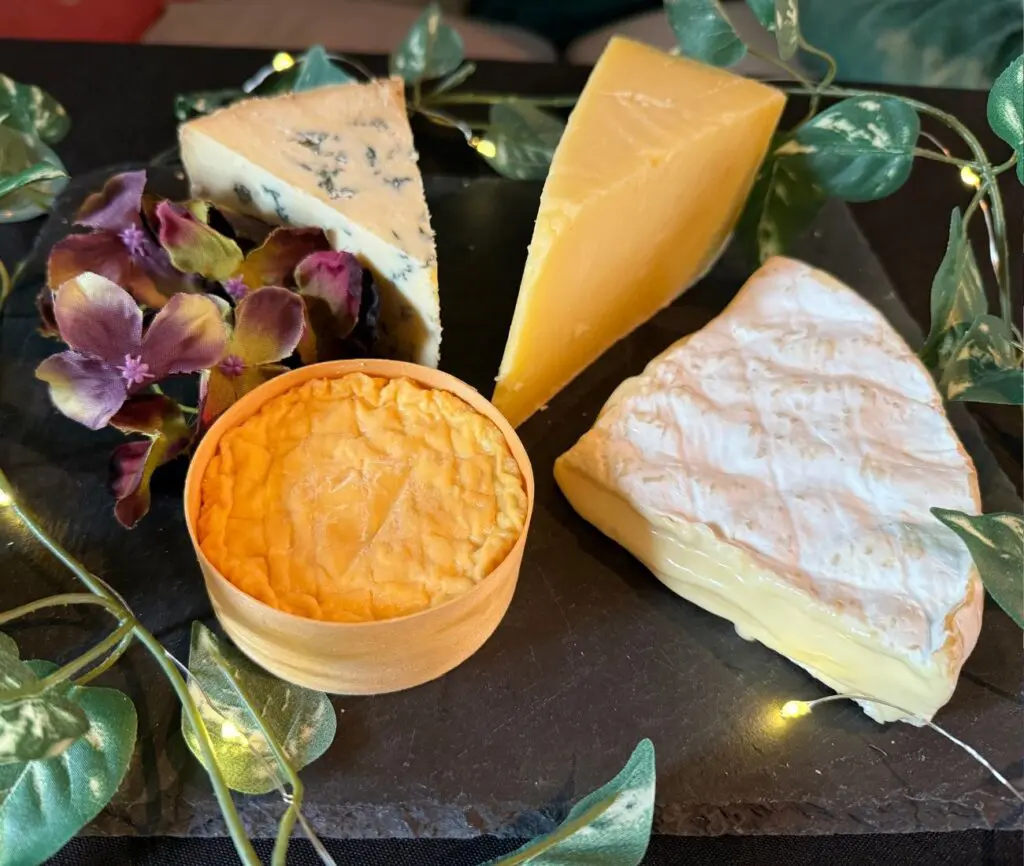
Jake is working on a small range of soft, mould-ripened, and lactic-set cheeses, each with its own flavour and story. Some are creamy and lactic with citrus brightness; others develop mushroomy, earthy notes as they age. But flavour is only half the story. Each cheese is named after real people connected to Nottinghamshire’s history.
One is Eggleston, a lactic-set, Geotrichum rinded cheese, named after William Eggleston, who died during the Nottinghamshire Cheese Riot. Fittingly, Jake is planning to launch Primrose Creamery on the anniversary of that riot, October 2nd. Aged from just one-week up to four, it has a dense, fondant-like core with citrussy, creme fraiche flavours when young and cultured butter and mushroomy undertones developing as it ages.
Jake at Neal’s Yard Creamery
Another is another lactic-set cheese named Lindley, honouring Elizabeth Lindley, a dairy maid who worked at Welbeck in the late 1800s. Seizing the opportunity arising from few British-made triple cream cheeses, Jake adds Jersey cream to the milk, resulting in an indulgently rich, yet light texture with buttery brioche flavours.
“When people taste the cheese, I want them to feel that connection to place and to the people who came before,” Jake explains.
Reviving a Lost Nottinghamshire Cheese
A central part of Jake’s work is about reviving traditions. Inspired by his time at Monkland, where he saw the potential for old regional styles to be reimagined, he has begun researching Colwick, a delicate cheese once made in Nottinghamshire but now nearly forgotten. His aim is to bring it back using raw milk and gentle, traditional methods, giving it a place at the modern table.
What is Colwick Cheese?
Colwick (pronounced Coll-ick) is a soft, fresh cow’s milk cheese that was once a Nottinghamshire staple. It dates back to the 17th century and was traditionally made in small, shallow moulds without a base, which gave it its distinctive open, bowl-like shape.
The texture is light and delicate—creamy at the centre, with a gentle tang and fresh lactic flavour. In the past, Colwick was often eaten simply with bread and butter or sweetened with cream and sugar as a rustic dessert.
But by the 20th century, the cheese had almost disappeared, remembered only in fragments of local food history.
Now, cheesemaker Jake Goldstein is working to bring Colwick back to life—made with raw milk and traditional, hands-on methods. His hope is to return this forgotten Nottinghamshire cheese to the table, so it can be celebrated once again.
Looking Ahead
The grant represents an important step forward for Jake at a crucial stage in his development. It will allow him to strengthen the foundations of his business, expand his skills, and grow in confidence as a cheesemaker.
Jake is hopeful. “Ultimately, I want my cheeses to feel alive with character and care,” he says. “To taste of Nottinghamshire, of the people and the land. If someone bites into a piece of Colwick or one of my soft cheeses and feels that sense of place, then I’ve done what I set out to do.”
Looking forward, his ambition is clear: to create raw milk cheeses that speak of their landscape, rich with character and care. And in doing so, to help shape a future for British cheese that is both respectful of tradition and alive with possibility.
Rachel Holding | Academy of Cheese Writer
Member of the Academy, Rachel loves a good cheese and wine session. Her love of all cheeses, artisanal or otherwise, has grown from her early years of working on the cheese counter at Fortnum & Mason. She has a personal mission to taste as many cheeses as possible and to encourage this passion in others.
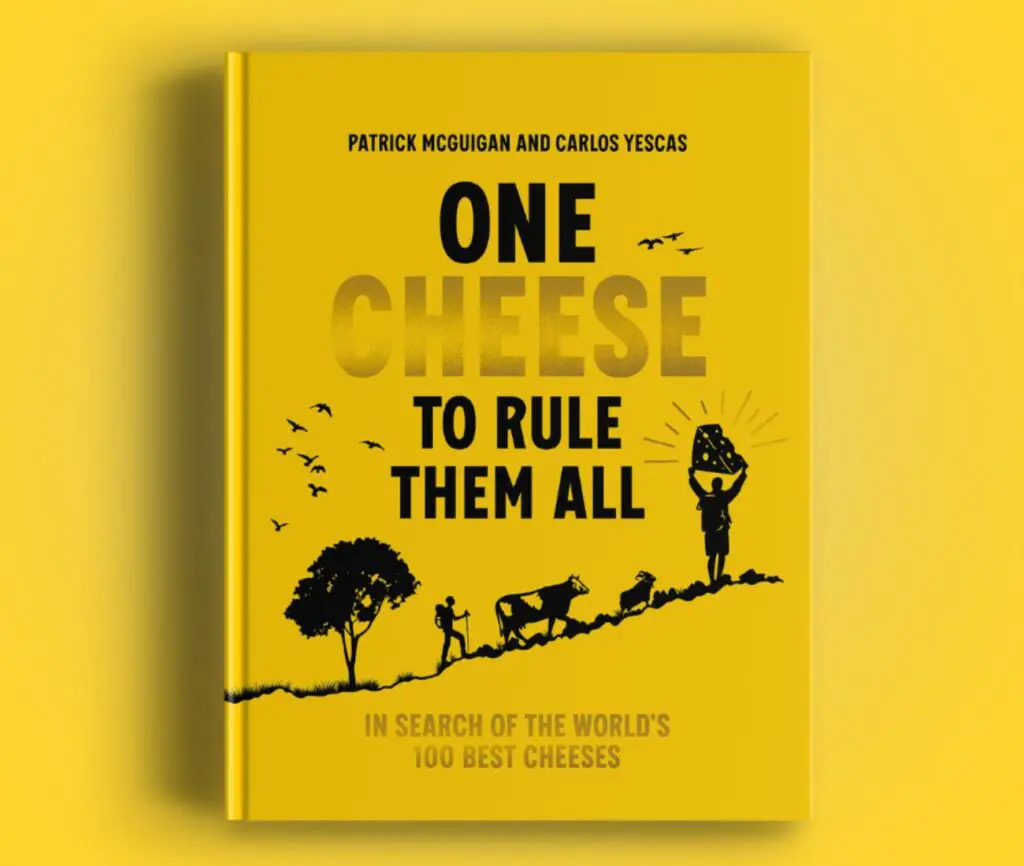
One Cheese To Rule Them All isn’t just a tour of award-winning cheeses; it’s a deeply human, sharply observed journey through the global cheesemaking world. Patrick McGuigan and Carlos Yescas…





COMMENTS