


A cheese that encapsulates Italian flair and tradition, Gorgonzola PDO stands as one of the most recognised blue cheeses globally. This post delves into its illustrious heritage, the craftsmanship behind its unique production, and the robust flavours that make it a staple of Italian culinary culture. Using the Academy of Cheese’s Make Post-Make model and the Structured Approach to Tasting Cheese, we’ll explore why Gorgonzola continues to captivate cheeselovers around the world.

The History of Gorgonzola PDO
Gorgonzola’s story dates back over a millennium to the 9th century, originating in the town of Gorgonzola, near Milan, Italy. The legend has it that the distracted cheesemaker accidentally mixed curds from different days, resulting in the distinctive blue veining. By the Middle Ages, the cheese had gained regional acclaim, evolving into the luxurious delicacy we know today.
In modern times, the cheese’s PDO (Protected Designation of Origin) status ensures that only cheese made in specific provinces of northern Italy, such as Lombardy and Piedmont, following traditional methods, can bear the Gorgonzola name.

Crafting Gorgonzola
The Make Post-Make Model
Gorgonzola PDO’s cheesemaking process reflects its artisanal roots, combining high-quality ingredients with traditional techniques.
Make Stage
- Milk: Gorgonzola is crafted using cow’s milk, often pasteurised, sourced from the region’s lush pastures, giving the cheese its creamy base.
- Curd Formation: Rennet and starter cultures are added to heated milk, forming curds that are gently cut and drained.
- Moulding: The curds are ladled into moulds, and the cheese takes shape as whey is naturally expelled.
Post-Make Stage
- Salting and Piercing: After salting, the wheels are pierced with stainless steel needles to introduce oxygen, encouraging the growth of Penicillium roqueforti and forming its iconic blue veining.
- Ripening: The cheese is aged for up to six months in temperature- and humidity-controlled cellars, allowing the flavours to develop fully.
Where Is Gorgonzola PDO Made?
Gorgonzola PDO is produced exclusively in northern Italy, a region renowned for its rich dairy heritage and ideal conditions for cheesemaking. The designated production areas include provinces within Lombardy and Piedmont, such as Novara, Vercelli, Milan, Como, Pavia, and Biella. These regions are celebrated for their fertile plains, temperate climate, and abundant water sources, which combine to create an environment where dairy farming thrives.
The region’s terroir plays a crucial role in shaping the character of Gorgonzola. The lush pastures of Lombardy and Piedmont provide cows with a diet rich in diverse grasses, herbs, and flowers, which impart unique flavours and aromas to their milk. This distinctive milk quality lays the foundation for the complex taste and creamy texture that Gorgonzola is known for.

The controlled production process within this PDO area ensures the cheese’s authenticity and quality. Every stage, from milk collection to ripening, adheres to strict guidelines set forth by the Consorzio per la Tutela del Formaggio Gorgonzola, the governing body responsible for upholding the PDO standards. These regulations include sourcing milk only from cows raised within the designated region, following traditional cheesemaking techniques, and adhering to specific ageing requirements.
The geographical exclusivity not only protects the integrity of Gorgonzola PDO but also strengthens its connection to its Italian roots. This rich cultural and environmental context ensures that every wheel of Gorgonzola carries with it the essence of the land where it was crafted, making it a true representation of its origin.
Characteristics of Gorgonzola PDO
Gorgonzola PDO is a masterpiece of cheesemaking, renowned for its striking appearance, unique textures, complex aromas, and bold flavours. Let’s dive deeper into the qualities that define this iconic blue cheese.
Appearance
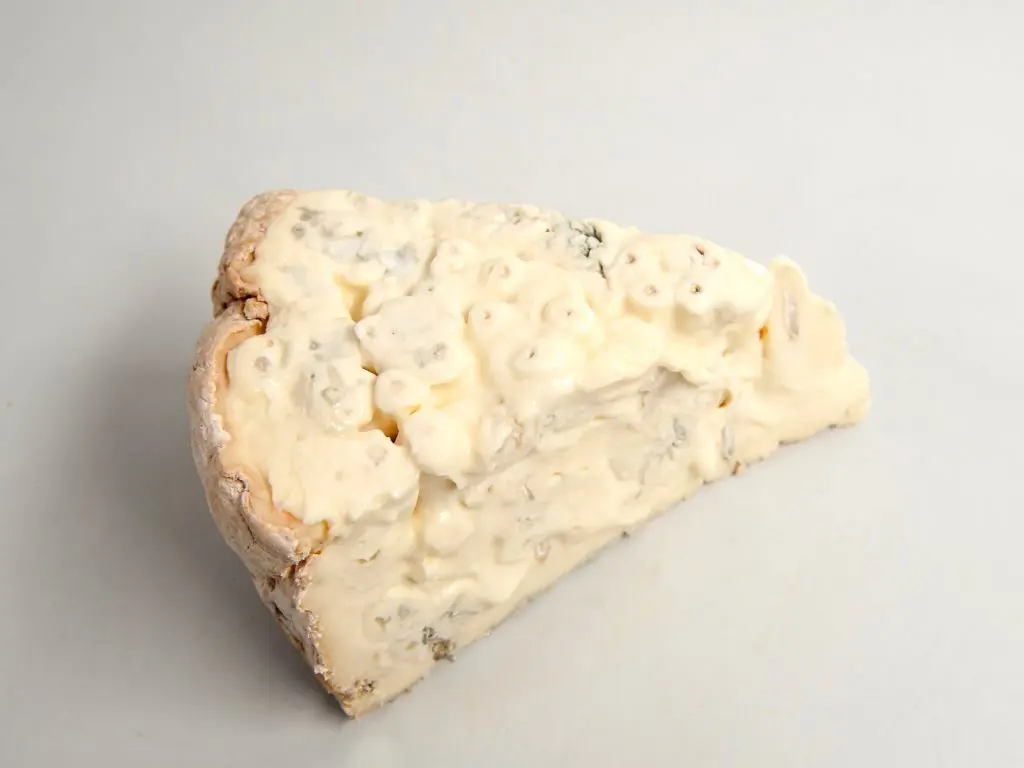
Gorgonzola PDO is typically presented as a large, round wheel, weighing between 6 and 12 kilograms, with a natural rind that is slightly damp and speckled with earthy tones. The rind, though not usually consumed, is a testament to the traditional methods used in its production and the careful ageing process.
When sliced, the interior reveals a pale yellow or ivory paste marbled with vivid blue-green veins of Penicillium roqueforti. These veins, carefully cultivated during the ripening process, form intricate patterns that are as visually stunning as they are indicative of the cheese’s robust flavour. The veining varies in density, offering insight into the maturity and style of the cheese—whether the sweeter, creamier Dolce or the sharper, firmer Piccante.

Texture
The texture of Gorgonzola PDO evolves significantly depending on its variety and age.
- Gorgonzola Dolce: This younger style boasts a soft, creamy, and spreadable texture, often described as luxurious and indulgent. Its smooth paste makes it perfect for spreading on bread or blending into sauces.
- Gorgonzola Piccante: Aged for a longer period, this style has a firmer, slightly crumbly texture that holds its shape well when cut. It often displays a denser network of blue veins, adding a delightful contrast of creaminess and structure.
The tactile qualities of Gorgonzola PDO are a significant part of its appeal, whether you enjoy the silky richness of Dolce or the robust density of Piccante.
Aroma
Gorgonzola PDO offers a powerful aromatic profile that reflects its blue-veined nature and artisanal production.
- Primary Aromas: Pungent and earthy, the cheese exudes the unmistakable smell of blue mould, intertwined with hints of damp cellar and aged wood.
- Subtle Undertones: As you inhale deeper, notes of dried fruit, such as figs or raisins, and a faint nuttiness emerge, offering balance to the initial sharpness.
These aromatic qualities make Gorgonzola an enticing addition to any cheeseboard, setting the stage for its complex flavour experience.
Flavour
The flavours of Gorgonzola PDO are as multifaceted as its other characteristics, offering a rich journey through bold and nuanced tastes.
- Gorgonzola Dolce: The younger Dolce variety delivers a delicate fruity-sweetness balanced with subtle tanginess. Its lactic undertones, reminiscent of vanilla ice-cream, are complemented by a mild saltiness, making it approachable and versatile.
- Gorgonzola Piccante: The Piccante variety is a more intense experience, with pronounced salty and tangy notes that are characteristic of well-aged blue cheeses. The savoury depth is further enriched by a spicy kick, hinting at black pepper or cloves. A nutty complexity and occasional notes of caramelised butter or toasted bread add to its allure.
Across both styles, Gorgonzola’s flavours linger on the palate, providing a creamy mouthfeel and a satisfying umami-rich finish. Its boldness and balance make it a cheese that pairs exceptionally well with sweet accompaniments, robust wines, and even desserts.

These combined characteristics—its striking appearance, evolving textures, captivating aroma, and bold yet balanced flavour—make Gorgonzola PDO a cornerstone of Italian culinary tradition and a favourite among cheese enthusiasts worldwide.
What Does Gorgonzola PDO Taste Like?
Using the Structured Approach to Tasting Cheese, let’s break down Gorgonzola’s sensory appeal:
- Appearance: A pale, creamy paste punctuated by intricate blue veining.
- Aroma: A combination of earthy mould, damp wood, and butter.
- Texture: Luxuriously creamy in the Dolce (sweet) variety; firmer, crumbly textures in Piccante (spicy) versions.
- Taste: Intense savoury and tangy flavours, with nutty and spicy undertones.
Types of Gorgonzola PDO
Gorgonzola PDO is celebrated for its versatility, offering two distinct styles—Dolce and Piccante—that cater to a variety of tastes and culinary applications. Each style showcases the artisanal craftsmanship and unique characteristics that make this cheese a global favourite.
1. Gorgonzola Dolce
Gorgonzola Dolce, meaning “sweet” in Italian, is the younger, milder version of the cheese, known for its exceptionally creamy, smooth, and almost spreadable paste, making it perfect for smearing on crusty bread or crackers. This soft texture, a result of its shorter ageing period of 50 to 80 days, is complemented by its gentle, sweet flavour with subtle tanginess and less intense blue veining, offering a balanced contrast to its lactic, buttery undertones. Ideal for newcomers to blue cheese or those who prefer milder varieties, Dolce carries a delicate aroma with hints of fresh cream and light earthiness, underscored by faint traces of blue mould. Versatile in the kitchen, it melts beautifully into creamy pasta sauces and risottos, serves as a luscious topping for grilled vegetables, and pairs wonderfully with honey, pears, or walnuts for an elegant appetiser.

2. Gorgonzola Piccante
Gorgonzola Piccante, also known as Gorgonzola Naturale, embodies the bolder, more traditional side of this PDO cheese, with a firmer, slightly crumbly texture that retains a touch of creaminess. Aged for 80 to 150 days, its extended maturation develops a robust profile, delivering complex and intense flavours characterised by pronounced tangy and salty notes. The concentrated blue veining adds a spicy, peppery kick that lingers on the palate, making it a favourite among blue cheese enthusiasts. Its bold aroma combines strong earthy and mouldy notes with a sharp, savoury undertone, hinting at the cheese’s full-bodied richness. Gorgonzola Piccante excels in dishes requiring a flavourful punch, whether crumbled over salads, paired with grilled or roasted meats, or used in recipes like blue cheese dressing or stuffed mushrooms. On a cheeseboard, it pairs beautifully with robust red wines, figs, and cured meats, elevating any culinary experience.
Using Gorgonzola PDO
On Its Own
Enjoy Gorgonzola with a slice of rustic bread or fresh figs to balance its intensity. Pair it with a drizzle of honey or balsamic reduction for a classic Italian pairing.
In Recipes
- Pasta Sauce: Melt Gorgonzola into cream for a luscious pasta sauce.
- Risotto: Stir into a rich risotto with walnuts and pear for a decadent dish.
- Pizza Topping: Sprinkle Gorgonzola over a pizza with rocket and caramelised onions.
- Stuffed Meats: Use Gorgonzola to fill chicken breasts or pork chops for an indulgent meal.


Pairings
Gorgonzola’s bold flavours make it a versatile partner for:
- Wine: Pair Dolce with a light Moscato or Chardonnay; Piccante pairs well with robust reds like Barolo or Amarone.
- Beer: A fruity Belgian Dubbel complements Gorgonzola’s tang.
- Spirits: Aged whisky or port enhances its richness.
Alternatives to Gorgonzola PDO
If Gorgonzola isn’t available, consider these blue-veined cheeses:
- Roquefort (France): A sharper, saltier blue made from sheep’s milk.
- Stilton (England): Creamier and milder, with less intense veining.
- Bleu d’Auvergne (France): A softer, less tangy option, similar to Gorgonzola Dolce.

Over to You
Gorgonzola PDO embodies the artisanal traditions and bold flavours of northern Italy, making it a must-try for cheese enthusiasts. Whether savoured on its own or incorporated into recipes, it brings a touch of Italian elegance to any occasion.
Why not explore this iconic cheese and discover its unique charm for yourself?















COMMENTS