
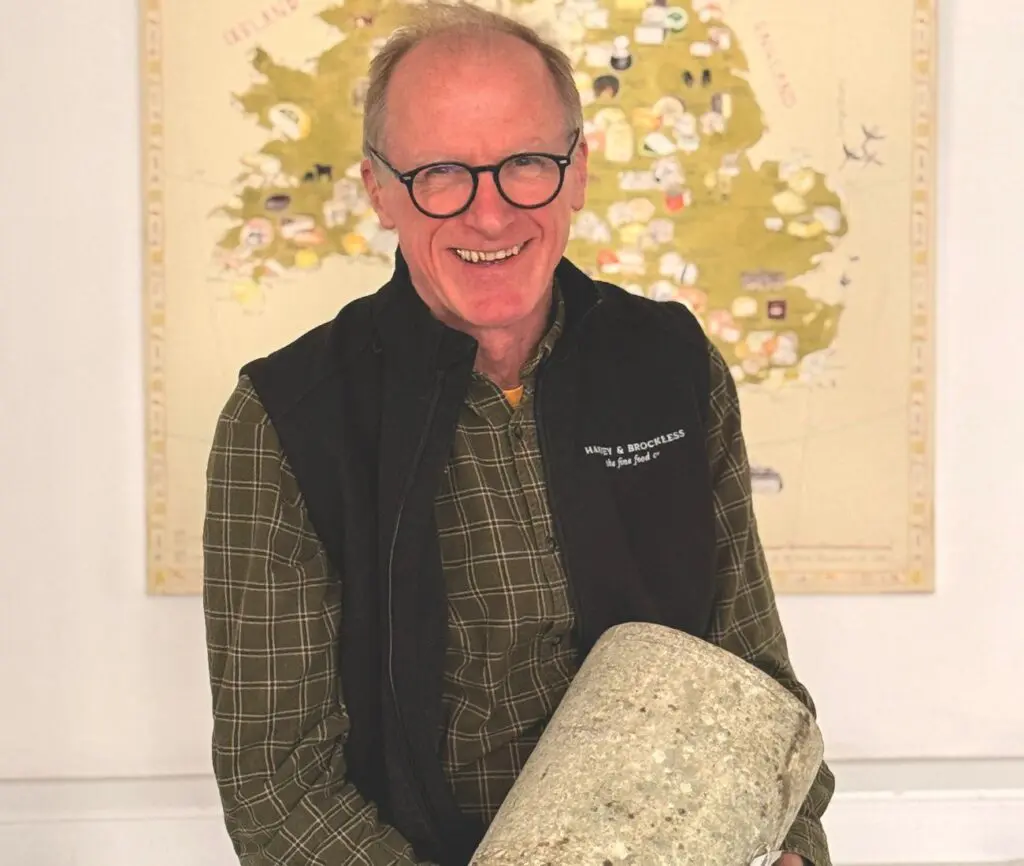

Have you ever wondered what it’s like to be the creative mind behind some of the food world’s most exciting flavour innovations? We sat down with Gary, Development Chef at Harvey & Brockless, to get a glimpse into his day-to-day, his journey through the culinary world, and his passion for cheese-fuelled recipe development. He even shares an exclusive recipe of his own.

From Kitchens to Concept: Gary’s Culinary Journey
How did you first get into the world of professional cooking?
I’ve always had a passion for food and cooking from a young age. In primary school, I loved baking flapjacks, and at home we grew plenty of our own produce. Because I wanted to do cookery at high school, I had to choose home economics, which meant I was learning practical life skills like sewing, childcare and even basic home maintenance, alongside cooking, whilst my mates were doing wood & metal work!
After high school, I attended Poole & Bournemouth Catering College to complete a two-year City & Guilds course, which I absolutely loved.
Was there a particular moment or person that inspired you to become a chef?
During my college years, I was fascinated by the work of the Roux Brothers, Pierre Koffmann, and Marco Pierre White. At the time, Marco was making headlines as the first British chef to earn two Michelin stars at just 25 years old. That was hugely inspiring.
Can you tell us a bit about your career path before joining Harvey & Brockless?
As part of my catering course, I did a three-month placement at The Howard Hotel in London. After finishing college, I returned there and spent four years as a young Commis Chef. I learned a lot under Executive Chef Gerard Riespaff – an imposing figure, he looked like a lion tamer, over 6ft with a big blonde moustache – who taught me the fundamentals of cooking.
From there, I worked for Prue Leith at her Notting Hill restaurant before moving to the QEII Conference Centre in Westminster, starting as a Demi-Chef de Partie and eventually becoming Senior Sous. After taking on a Head Chef role in Edinburgh, I returned to London as Executive Chef at the QEII. Later, I spent eight years as Head Chef at the All England Tennis Club.

What drew you to the role of a development chef specifically?
After 30 years in the industry, I wanted to keep expressing my creativity but in a different environment. Development chef work allows me to innovate and create new food products without the relentless pressure of restaurant service. It’s more measured, business-focused, but still deeply creative.
What Does a Development Chef Actually Do?

What does a typical day look like for you in the test kitchen?
Every day is different. Sometimes I’m prepping for a customer presentation, showcasing dishes using our products. Other days I’m testing new ideas, experimenting with the Harvey & Brockless Kitchen range, or working on a photo shoot with our Marketing department.
How does your work differ from that of a traditional restaurant chef?
For one thing, I now work Monday to Friday, 8am – 4pm; no late nights or weekends! But I still get to create restaurant-quality dishes, just without the intense pressure of service.
What part of your day-to-day work do you enjoy most?
I enjoy every part of my working day; I love working with some of the UK’s best artisan produce and turning it into fun, exciting dishes. It’s incredibly rewarding.
Recipe Development: Where Creativity Meets Purpose
When you’re developing a new recipe, where do you start?
It depends. We do a lot of promotional work for our suppliers using their products; sometimes I start with the one ingredient and build a concept around it, whilst other times it may be a trending idea.
How do you balance creativity with practicality when designing recipes for clients?
Our Harvey & Brockless Kitchen range of sauces/marinades/dressings are designed with today’s kitchens in mind. With staffing challenges in the industry, our products allow chefs to save time while still producing creative, on-trend dishes. Consistency and quality are key.

Do you have a favourite recipe you’ve developed recently?
Funny you should ask! With the rise in popularity of Greek cuisine, I’ve wanted to create something modern and relevant that celebrates the bold, vibrant flavours of this style of cooking. Cheese has always been at the heart of Greek food, so I’ve designed two dishes that showcase traditional Feta PDO made in Greece, while also championing a British version, Mrs Bell’s Salad Cheese, crafted in Yorkshire.
Click on the images below to join me in the kitchen and watch me bring these cheesy Greek-inspired dishes to life!


What’s your all-time favourite dish to cook at home (or eat!)?
I don’t have a single favourite, but I love cooking with the seasons. In Spring, I forage for mushrooms and wild garlic. Summer means firing up the BBQ – grilling whole sea bream with a fresh tomato and pickled shallot salad. Winter calls for big, hearty roasts.
Where do you find inspiration — other chefs, food cultures, travel, or something else?
From books, Instagram, dining out, and the incredible cultural diversity of the UK. There’s so much to learn from different cuisines, flavours, and techniques. So, it’s taking ideas from that and putting your own spin on it.
Are there any food trends you’re excited about (or avoiding) right now?
I think the popularity of Korean food continues to grow, and I’m excited to see where that goes.
Cheese & Professional Development
Harvey & Brockless are known for their cheeses; which ones do you love cooking with the most and why?
I like to use different types of cheeses throughout the seasons, like Crottin or Dorstone in the summer with a salad, just simply warmed, and our goat’s cheeses in the winter: delicious in a tart with caramelised onions or our comfy onion marmalade for a hearty, warming dish. They’re also perfect for canapés in the party and Christmas season, whether simply served on a Peter’s Yard biscuit with honey and walnuts or paired with a fresh figs.

Are there any lesser-known cheeses you think deserve more attention in the kitchen?
Not so much of a lesser-known cheese but Gorwydd Caerphilly is so underrated in my opinion with its firm, lemony, lactic core and a creamy, and more savoury layer just beneath the rind. Great in a Leek & Chive quiche in the summer or homemade Glamorgan sausages.
You’ve trained with the Academy of Cheese, how has that influenced your work as a chef?
The course gave me a deeper understanding of how different cheeses behave in cooking. It also improved my appreciation of flavour profiles and how best to care for and use cheeses in dishes.
Would you recommend the Academy of Cheese to other chefs or food professionals?
Definitely, because you learn about tasting profiles, the care of looking after the cheese and to improve their knowledge when cooking with it.
Looking Ahead: Trends, Tastes & Future Flavours
What’s next for you: are there any exciting projects or recipe ideas you’re currently working on?
I’m always working on new dishes and recipes, experimenting with the incredible products I’m lucky enough to work with.

What advice would you give to someone looking to get into food development or the chef world in general?
Gain as much experience as possible – whether in restaurants, hotels, or contract catering. The wider your skill set, the more creative freedom you’ll have later, especially in development roles.









COMMENTS