


Introduction
Feta is one of the most iconic cheeses in the world—brined, crumbly, and steeped in Greek tradition. As a Protected Designation of Origin (PDO) cheese, Feta can only be made in specific regions of Greece using traditional methods and local sheep’s milk, sometimes with a small proportion of goat’s milk.
This unmistakable white cheese has become a global staple, celebrated for its sharp tang, creamy texture, and versatility. From Greek salads to modern gourmet dishes, Feta PDO carries with it the heritage of centuries-old pastoral practices and regional identity.


The History of Feta PDO
Cheesemaking was a gift of the gods, according to Greek mythology, while the Cyclops’ cave in Homer’s Odyssey was filled with a sheeps cheese believed to be the forerunner of Feta. The name “Feta” itself is much more recent, first appearing in the 17th century and derived from the Italian word fetta, meaning “slice”, referring to the method of cutting cheese into slices for storage in brine.
Over time, Feta became deeply rooted in Greek culinary culture. While similar white brined cheeses are made elsewhere, the distinct terroir, breed of sheep, and traditional methods used in Greece led to the European Union granting Feta PDO status in 2002 after a long legal battle, officially protecting it as a Greek-only product.
The ancient cheese was in danger of losing its identity in the 1990s when it was industrially produced across Europe. But after a long campaign, Greece secured a PDO for the cheese in 2002 meaning Feta can now only be made in Greece with sheep and goats’ milk.

Feta: The Make Post-Make Model
It helps to understand the production of Feta PDO through the Academy of Cheese’s Make Post-Make model, which breaks down cheesemaking into distinct stages.
1. Make Stage
Whilst Feta PDO is made using a soft cheese Make process, the cheeses have a much longer shelf life than other mould-ripened soft cheeses, due to its Post-Make process. The milk is typically pasteurised and coagulated with rennet, after which the curd is cut and may be stirred before acidification in the mould during draining.
2. Post-Make Stage
Most cheeses are salted and matured in brine, but some traditional versions are dry salted in barrels – the salt drawing whey from the cheese which forms the brine. The cheese matures for at least two months, during which time it develops its characteristic sharpness and creamy texture.

Where is Feta PDO Made?
To be labeled as Feta PDO, the cheese must be produced in specific regions of mainland Greece and the island of Lesbos, using traditional techniques and milk from sheep and up to 30% goat’s milk from local breeds. The hardy animals roam the mountainous landscape grazing on a diverse range of plants, which is expressed in creamy, fragrant milk.
Characteristics of Feta PDO
Feta is typically formed into large blocks and cut into cubes or slices. It has a snow-white colour, with no rind, crumbly in texture with small holes and cracks.
What Does Feta Taste Like?
Feta is unmistakable; we can apply the Academy of Cheese’s Structured Approach to Tasting Cheese, which guides us through a series of sensory assessments:
Aroma:
Feta PDO has a tangy, salty aroma with clean dairy and sweet citrus notes.
Taste:
The flavour is salty and slightly sour often with herbaceous and lactic notes that reflect the native flora grazed by the sheep and goats. The saltiness is balanced by a creamy mouthfeel and a fresh finish.
Texture:
Feta’s texture evolves from crumbly to creamy.

Using Feta
Feta is endlessly versatile – whether used for hot or cold dishes, it adds a bold, salty punch. Here are some popular ways to enjoy this remarkable cheese:
Crumbled into salads: One of the most popular ways of using Feta PDO, adding a salty balance to raw and roasted vegetables. It’s the star of the classic Greek salad (Horiatiki) and surprisingly tasty crumbled over watermelon for a sweet-savoury contrast.

As a Cooking Ingredient: Incorporate Feta into savoury tarts and filo pastries, such as the beloved Spanakopita. It is excellent with roast lamb dishes such as Kleftico, whilst this incredibly simple baked Feta pasta recipe, boosted feta sales in 2021 when it went viral on social media.


On its own: Delicious simply grilled, whipped, or paired with honey, olive oil and herbs such as thyme.
What to Pair with Feta PDO
Pairings:
- Wine: Assyrtiko, Sauvignon Blanc, or light reds like Agiorgitiko.
- Beer: The saltiness of the cheese makes a good match for a crisp, refreshing Pilsner.
- Food: Olives, roasted vegetables, lamb, tomatoes, herbs like oregano and mint.
- Bread: Rustic sourdough, pitta, or flatbread.
Alternatives to Feta
If you’re looking for a substitute for Feta, several cheeses offer similar characteristics:
Graceburn

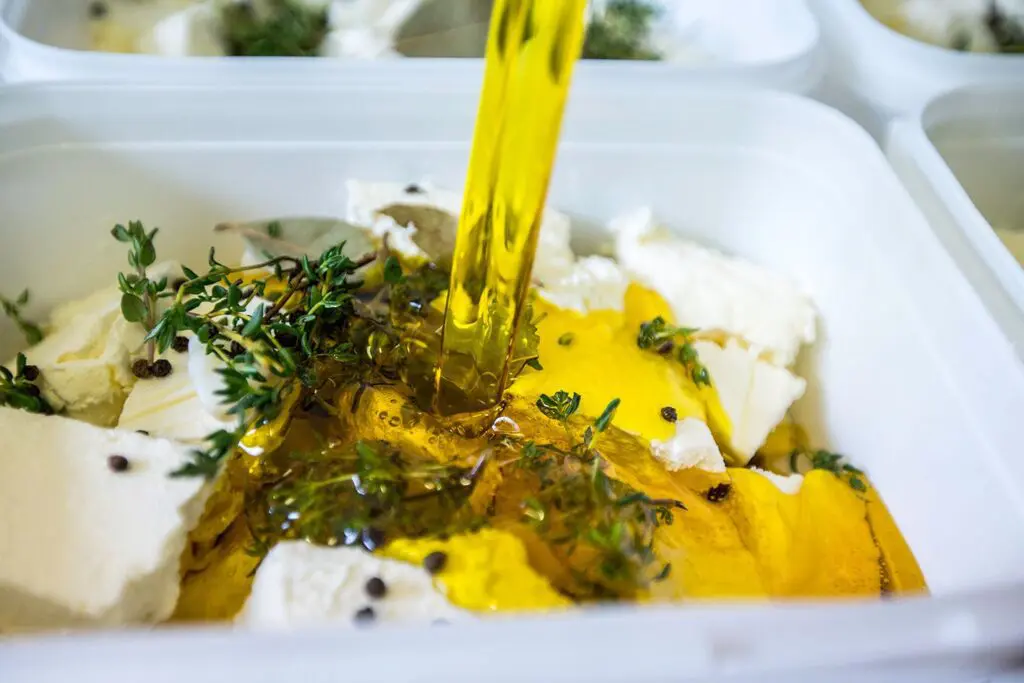
Made in Kent, SE England, but based on a Persian feta recipe, this is made from raw cows’ milk and marinated in oil with garlic, black pepper and thyme, resulting in a softer, more creamy version. With a truffle variety also available, this is a versatile cheese to have in your fridge.
Fetish by White Lake Cheese


Made with 100% unpasteurised sheep’s milk, Fetish is barrel aged in brine for 3-4 months, resulting in a firm, yet crumbly texture, with a salted caramel sweetness and a citrus acidity.
Queso Fresco


Popular across Latin America, especially Mexico, the mild cheese, which is studied at Level Two, is often used as a topping to temper spicy dishes. It is also crumbled into soups, salads and sauces.
Conclusion
Feta PDO is more than just a cheese, it’s a cultural emblem of Greece, recognized and protected across the EU for its heritage and quality. Its sharp, briny flavour and crumbly texture make it a standout in the world of cheese, prized by chefs, home cooks, and cheesemongers alike.
Whether you’re crafting a Mediterranean mezze platter or experimenting with fusion cuisine, Feta PDO brings a taste of Greek tradition to every bite.
GUIDE TO TASTING CHEESE
Learn about the four stages of tasting cheese and how to take tasting notes with this definitive guide to tasting cheese.

This Cheese is part of the Master of Cheese Level One Associate certification.


COMMENTS