

What is Lumpy Skin Disease?
Lumpy Skin Disease (LSD) is a viral disease that affects cattle and sometimes water buffalo.
As a result of recent outbreaks in France and Italy, the UK has suspended the import of several bovine commodities, including raw milk and raw milk products. This is not a food safety issue, but an economic one: the suspensions are intended to prevent the disease from entering the UK. An outbreak here would be highly damaging to the dairy industry, as it would make meat, offal, and hides unsellable, drastically reduce milk yield, and likely lead to large-scale culls – similar to those seen during the foot and mouth crisis.

How is LSD Transmitted?
Lumpy skin disease is spread by biting flies and mosquitoes. They can carry the infection to other animals after feeding on the skin lesions of infected animals.
The virus is not transmissible to humans, but can be spread to livestock through other vectors than mosquitoes which means it is imperative that the virus itself is prevented from travelling. It may be able to survive in raw milk but is inactivated by pasteurisation, and so the specification of raw milk cheese in the ban is a measure to prevent all possible ways the virus could enter the country.
What is happening in Italy & France?
Italy confirmed its first case of lumpy skin disease (LSD) in Sardinia on 21 June 2025, leading the UK to revoke Italy’s LSD-free status and suspend imports unless they’ve had specific treatments
France similarly reported its first LSD case near Chambéry on 29 June 2025, resulting in a suspension of imports of live cattle, germplasm, raw milk and raw dairy, and dairy products subjected to less than full pasteurisation.
Cheeses made in Italy and France before the 23rd May 2025 are exempt from the suspension.
Why this matters to the UK cheese sector
Fewer Italian/French imports
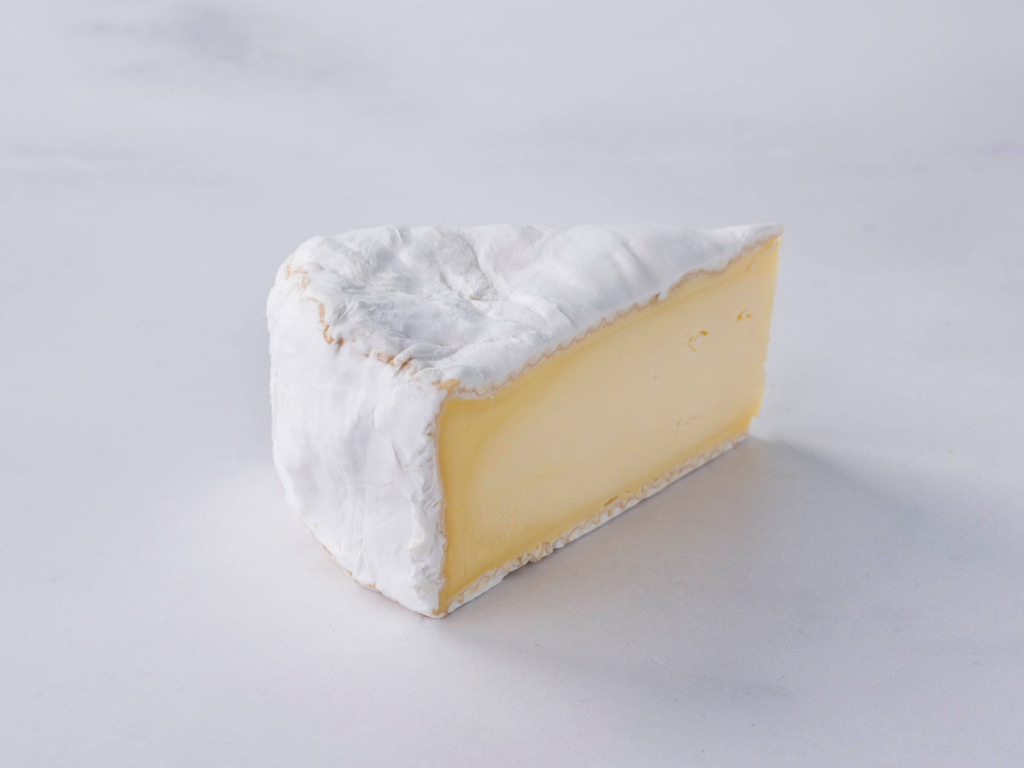
Many prized EU cheeses depend on raw or lightly pasteurised milk – think sticky washed rinds, oozing Brie and camemberts and farmhouse Tommes. Restrictions mean cheesemongers and wholesalers are unable to import fresh wheels or batches produced after the cut-off date.

Disrupted supply chains
Ongoing UK–EU supply chains might be hauling in cheeses from aged wheels, but any fresh-produced lots are blocked. That may lead to shortages of key varieties, especially artisan and regional ones, into autumn.
Compliance and paperwork burden
UK importers must prove ageing started before 23 May 2025. More health paperwork, certification, and verification means extra costs and slower customs clearances.
Shifting demand & price pressure
With key EU cheeses in short supply, demand may pivot to UK-made varieties or non-EU suppliers, driving prices up. Cheesemongers may have to adjust menus, find substitutes, or increase prices, a squeeze for businesses and lovers alike.
What cheesemongers, wholesalers & importers can do now
- Conduct a full audit of stock: Tag cheeses by country, production & ageing dates. Prioritise moving products at risk of expiry or those compliant with cut-off criteria.
- Ask your wholesaler if pasteurised versions are available: Munster, Taleggio and Epoisses are such examples.
- Diversify sourcing: Lean into UK-made cheeses or safe EU alternatives. Eg. Spanish Manchego, Portuguese Torta-styles or Swiss Alpines.
- Streamline imports: Map out supply routes and partner with trusted logistics providers familiar with DSC/OVS paperwork and ageing proof. This ensures smoother customs processing.
- Communicate transparently with customers: Explain why certain cheeses aren’t available or are more expensive. Offer tastings or flight samplers to pivot interest towards local or alternative options.
- Stay alert for updates: These OVS measures are in place “until revoked or amended.” Being proactive could help you act swiftly when the situation shifts. For further information and to keep abreast of the current situation, head to: https://www.gov.uk/government/organisations/department-for-environment-food-rural-affairs.


Alternative Cheeses to Try
With the impact of the import restrictions from Italy and France, it’s important to adapt menus and retail offerings strategically—not just to cope with shortages, but to introduce customers to new favourites.
If you’re studying your Level One Certification with us, you can use the guide below to help with alternative cheeses. Cheeses marked with an *, indicate pasteurised versions may be available.
| French & Italian Level One Cheeses | Suggested Alternative |
|---|---|
| Brie de Meaux PDO | Pasteurised Bries; Baron Bigod, Fen Farm Dairy, Suffolk |
| Camembert de Normandie PDO | Pasteurised Camembert; Tunworth, Butlers Farmhouse Cheeses, Leicestershire |
| Crottin de Chavignol PDO | Shilling, White Lake Cheese, Somerset |
| Livarot PDO* | Rollright, King Stone Dairy, Gloucestershire |
| Époisses PDO* | Renegade Monk, Feltham’s Farm, Somerset |
| Morbier PDO | Ashcombe, King Stone Dairy |
| Mozzarella di Bufala Campana PDO* | Buffalicious Mozzarella, Buffalicious, Somerset |
| Brillat-Savarin PGI* | The Triple Rose, Ballylisk of Armagh, N. Ireland |
| Pecorino Sardo PDO* | Spenwood, The Village Maid, Berkshire |
| Roquefort PDO | Lanark Blue, Errington Cheese, Lanarkshire |
| Mimolette* | Aged Gouda |
| Parmigiano-Reggiano PDO | Old Winchester, Lyburn Farm, Wiltshire |


What does LSD Mean for Cheese Lovers?
- Limited availability of freshly produced raw or thermised Italian & French cheeses.
- Higher prices for premium EU imports during the ban period.
- Greater visibility of UK-made alternatives – this is an ideal time to broaden your cheese horizons.
Conclusion
The recent import bans from Italy and France present immediate challenges for the dairy supply chain but also open up opportunities for UK cheesemakers. Industry players must adapt quickly, while consumers may face higher prices yet discover quality local alternatives.
For further information and to keep abreast of the current situation, head to: https://www.gov.uk/government/organisations/department-for-environment-food-rural-affairs

COMMENTS-

peter
22/07/2025
-

Rachel
22/07/2025
Pecorino Sardo is made from sheep’s milk – “pecora” is the Italian word for sheep – and when we wrote our guide to Mountain Biking in Sardegna I interviewed an agriculture expert about the crisis among shepherds due to the low price of sheep’s milk used to make ricotta and pecorino. LSD affects cows, not sheep. Why is importation of Pecorino Sardo to the UK restricted?
Hi Peter, thank you for comments. As far as we are aware importation of Sheep and Goat’s milk products into the UK are not affected, but there may be a knock-on effect on supply of these cheeses due to the large culling of cattle in affected areas.