


First Principles of Cheese Tasting:

Choosing cheeses for your cheese event
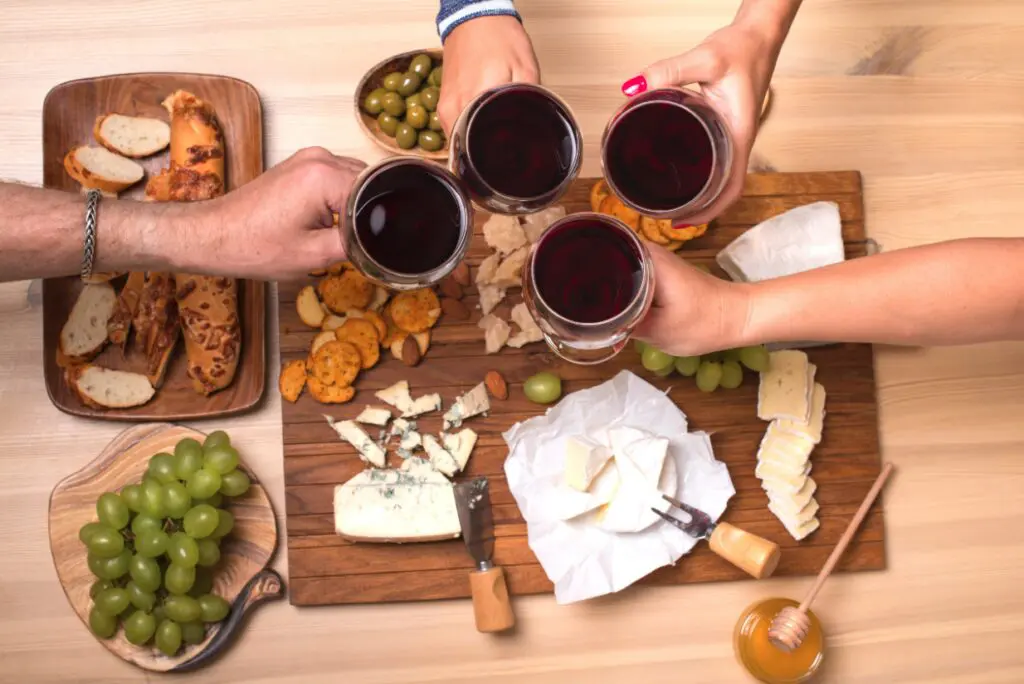
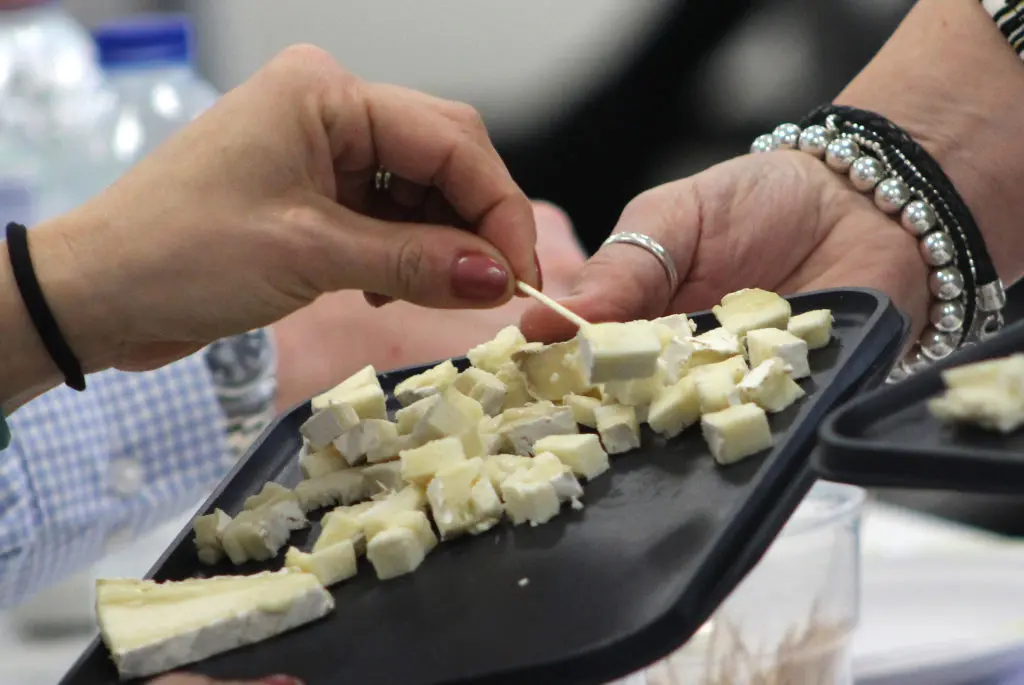
You’ve ditched the pub in favour of a sophisticated evening tasting cheese with your friends, but where do you start when it comes to actually choosing the cheese? A little bit of research now is time well spent; not only will you deliver a fun, coherent evening, you’ll have saved yourself 45 minutes scratching your head in the chilled section of Waitrose!
You’ve invited friends based on their love of the stuff, so you need to deliver them something unfamiliar, even a little exotic.
But how do you choose? With over 1,500 named cheeses produced in the UK alone, [source: A Cheesemonger’s Compendium of British & Irish Cheese by Ned Palmer]; it is a good idea to narrow your selection down to a theme, or category.

We have suggested three themes below that should prove easy for you to source for and fun for your guests to confabulate over.
Cheese Event theme #1 “Cheese Types”
There’s almost as many ways to categorise cheese, as there are cheeses themselves; you could take one of the four main Make, Post-Make classifications, as created by the Academy of Cheese:
- Soft
- Crumbly
- Hard
- Hard Cooked
But the distinctions between these categories or “styles” are, perhaps, too broad for a cheese tasting. On that account, it is much more fitting to distinguish the styles based on general appearance and parlance, and any combination of each of the following groups of cheeses would make a worthwhile tasting:
Fresh Cheeses
These are soft, often spreadable, cheeses that typically have a mild, lactic flavour accompanied by a tangy finish. Examples to choose from include silky Goats Curd, briny Feta, oozing Mozzarella di Bufala or a moussey Dorstone goat’s cheese, all of which would be divine paired simply with some slow-roasted tomatoes on the side and a bottle of citrussy Sauvignon Blanc.


Soft & Bloomy Rind Cheeses
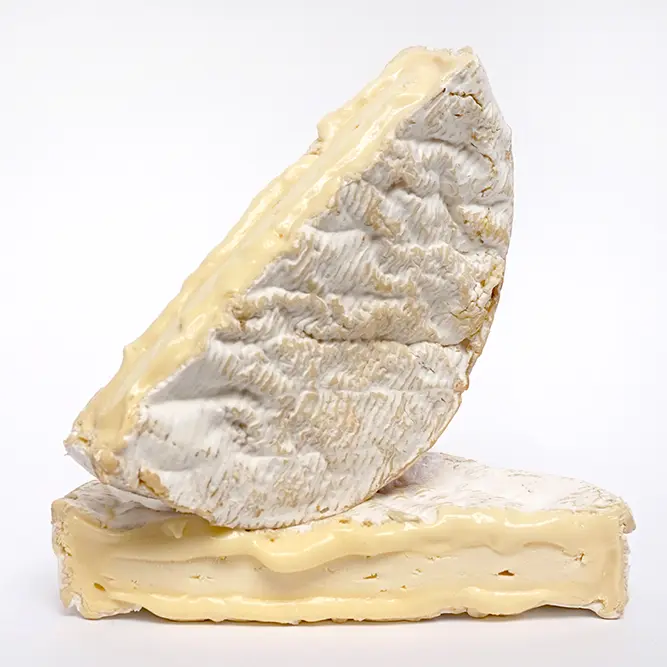
Named for the velvety bloom of white mould that develops on the outside during the ripening process , the French are renowned for this style of cheese, with famous makes, such as Brie de Meaux PDO, Camembert and Chaource topping the sales charts. However, British cheesemakers are fast learners and have their own, equally-delicious versions, including the meaty, umami-heavy Baron Bigod, mushroomy Tunworth or decadent, triple cream Finn. The soft, rich and creamy mouthfeel of these cheeses demand something effervescent to cut through the fat and so the pleasantly stinging bubbles of a sparkling wine or champagne is a perfect wine pairing.




Crumbly Cheeses
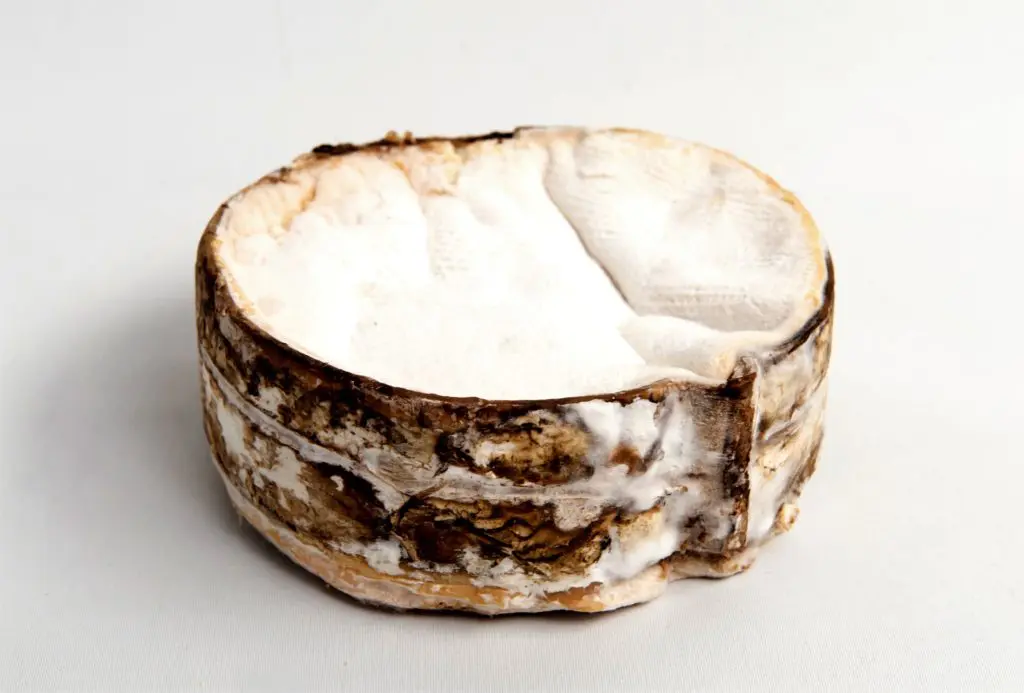
More compact in texture than the soft cheeses above, and include a lot of the British territorial cheeses such as Single Gloucester PDO, Cornish Yarg, Gorwydd Caerphilly or Yorkshire Wensleydale PGI. Pair these with a pale ale or light fruity red.


Washed Rind Cheeses
These are the cheeses where “pungent” comes to mind. They will have been brushed or bathed in a brine solution, resulting in the familiar, usually sticky-rinded cheeses. Think Stinking Bishop, Epoisses PDO, Morbier PDO and Taleggio. These funky forms will go particularly well with sour beers and full-bodied ales.


Blue Cheeses
The “marmite” of categories, attributable to the addition of Penicillium roqueforti to create the blue veining, this could be a risky path to go down! If you are confident your guests are “blue fans”, however, you might include Blue Stilton PDO or Beauvale, Roquefort PDO, Clawson Farm Shropshire Blue, Fourme D’Ambert or Cote Hill Blue for a tasting that offers many different textures and flavour profiles. Offering a selection like this is a great excuse to indulge in some sweet dessert wines. Port, Ice Wine or Sauternes are particularly good matches for the blues.


Hard Cheeses
With the cheeses being pressed after being made, to remove as much moisture as possible, the cheeses last longer. They can be matured for over two years, resulting in a wide variety of textures and flavours. A clothbound farmhouse Cheddar, such as Quicke’s, would sit well here, offering an agreeable contrast to the mellow notes of a buttery Double Gloucester and the colourful pop of a Belton Farm Red Leicester. From Europe, you could look towards a sweet, nutty Comte PDO, a meaty Le Gruyère AOP or a caramelly Aged Gouda. And for a surprise element, a 24 plus-month aged Parmigiano Reggiano would offer an unexpected twist.


Processed Cheese
We shall leave that one there!
Cheese Event theme #2 Cheese Geography

Worldwide, there is over 22.5 million tonnes of cheese produced each year. The USA is the largest cheese producer, with Germany second and France third. The UK is ranked as eleventh and bottom of the table are Bhutan, Georgia, Malta and Kenya. It would take a very specialist importer to source that Bhutanese cheese, so we will stick to those countries with cheeses most commonly found in British shops, eg, British, French, Italian and Spanish as a starting point:
British Cheeses
There’s been a marvellous renaissance in the quality and range of cheeses being made in the UK – driven largely by a new generation of farmers, cheesemakers, cheesemongers and educators, and pushed along by consumer demand to satisfy their international food experiences whilst supporting home-grown businesses. Aiming, whilst failing, to be impartial, my favourites to include on a British-themed cheeseboard would include any number of the following:
Starting in Oxfordshire, I would begin with a delicate Brightwell Ash goats’ cheese from Norton & Yarrow. Crossing the border to Carmarthenshire, the sticky and savoury Golden Cenarth from Caws Cenarth will satisfy the washed-rind fans. Sailing across the Irish Sea to Armagh, I will pick up an indulgent triple-cream, bloomy-rinded Triple Rose from Ballylisk and then it’s back over the sea to the Inner Hebrides to pick up a wedge of hearty, boozy Isle of Mull cheddar. My love of Alpine-style cheeses would draw me all the way down to the other end of the country and Lynher Dairy’s World Cheese Award Supreme Champion winner, Cornish Kern. I would finish the board with a wedge of biscuity Pevensey Blue from the East-Sussex coast – a blue to delight any Gorgonzola lover.




French Cheeses
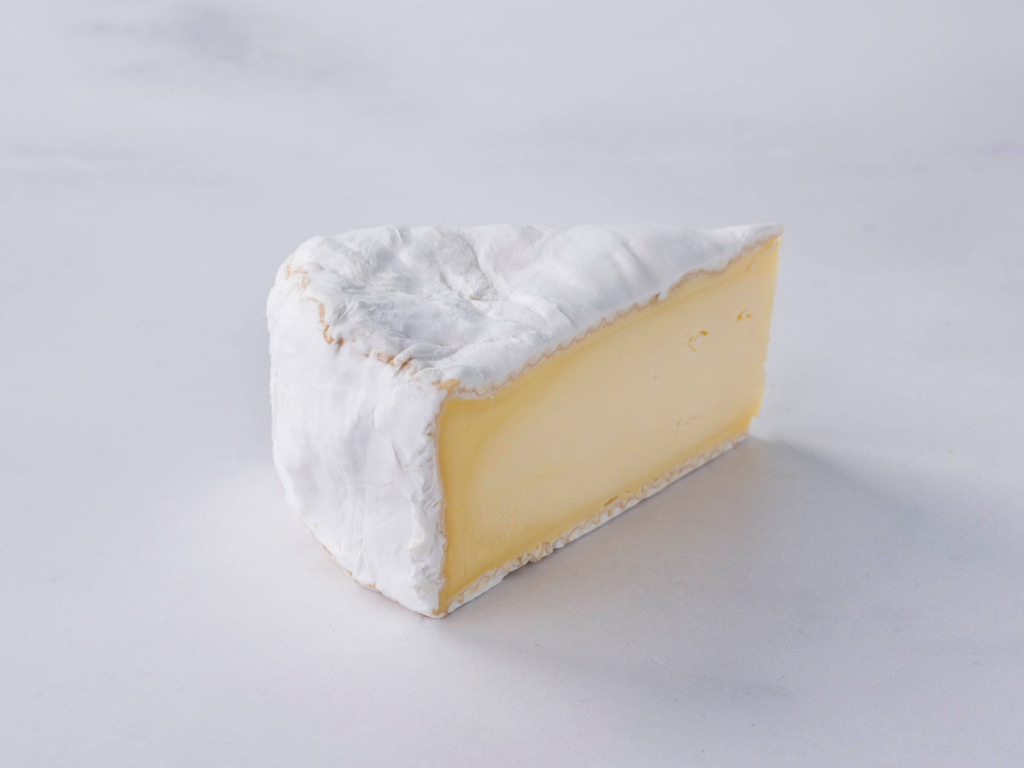
Whilst you cannot go too wrong with a perfectly ripe Brie de Meaux or Camembert de Normandie, France offers so much more than these ubiquitous bloomy rinds. With over a thousand different cheese varieties, 45 controlled designation of origin cheeses and 38 protected designations of origin cheeses [source: https://www.france-hotel-guide.com/en/blog/french-cheeses/], there’s plenty of choice. Start with a goats’ cheese, such as the classic Crottin de Chavignol; move onto an ash-layered Morbier PDO, and perhaps an insanely nutty Beaufort PDO before finishing with a rich, velvety Bleu D’Auvergne PDO. To add, no winter cheese-tasting would be complete without the legendary ooze of a spruce-belted Vacherin Mont D’Or PDO.


Italian Cheeses
While often hidden within delicious dishes, Italian cheeses tend to be underestimated for cheeseboards. However, the iconic varieties listed below can proudly shine in their natural, uncooked glory on any tasting platter.
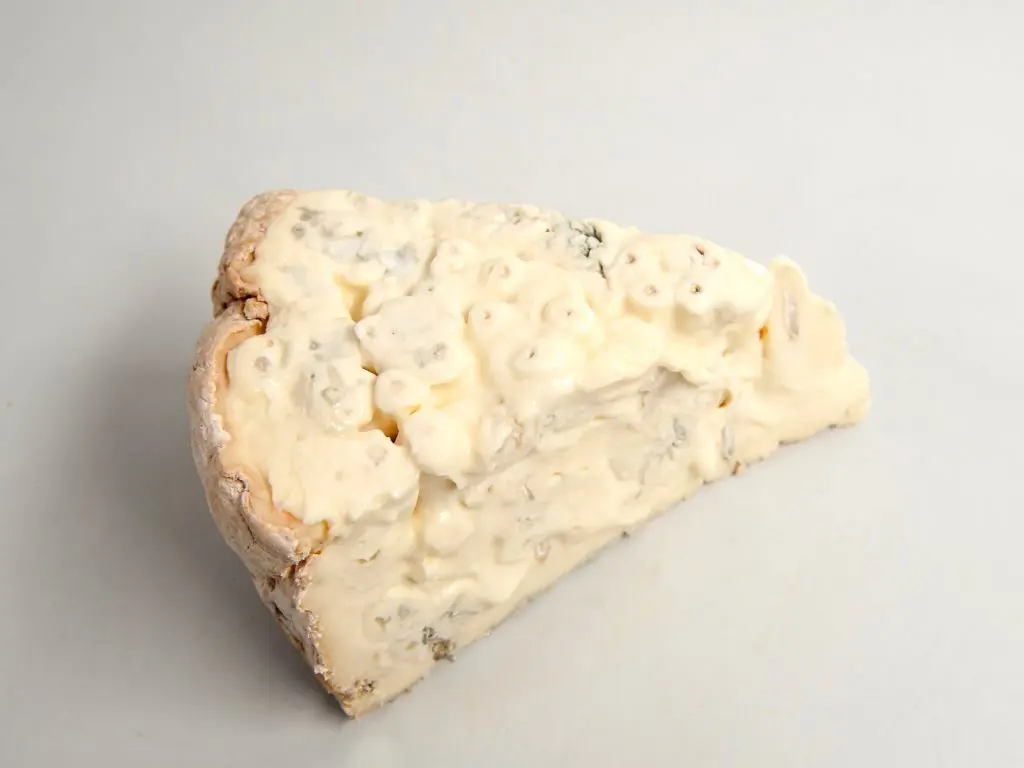
With the lactic creaminess of a Mozzarella di Bufala DOP as a good starting point, move onto a herbaceous Robiola to sample a cheese made from a mix of cows’, goats’ and ewes’ milk. If truffle is your thing, you should source a delicate truffled Pecorino, then move onto a sticky, umami-rich Taleggio PDO. Finishing on a blue, try a classic Gorgonzola PDO, either in its sweeter, softer “Dolce” form, or Piccante (or both!).


Spanish Cheeses
Outside of DOPs, it is fair to say that cheeses in Spain can generally be divided into three regions: cows in the north, sheep in the middle and goats in the south [source: https://www.cheeseprofessor.com/blog/9-great-spanish-cheeses]. What can definitely be said, however, is that no Spanish-themed cheese tasting would be complete without a fine aged (curado) or semi-curado Manchego PDO. Add to this the aptly named Tetilla PDO “tetilla” translates to “little teat”, so you can probably guess the shape of this Galician cheese (which is, incidentally, particularly tasty when melted), a Mahón PDO from Menorca, with its unmistakable sweet paprika rind and finished off with a fiery, blow-your-socks-off blue Cabrales PDO. And if you’re looking for a little theatre, I recommend hunting out a Torta del Casar PDO – leave it out of the fridge for an hour and slice off its “lid”; this complex sheep’s milk cheese becomes spoonable, almost fondue-like
If you’re looking for more inspiration for your Spanish-themed party, head over to Brindisa, the home of Spanish food.


Cheese Event theme #3 Cheeses by Animal
We all know that cheese can be made with cow’s, goat’s, ewe’s and buffalo milk, but did you know it can also be made from the milk of yaks, donkeys, moose and even humans (we are mammals after all)! However, it goes without saying these are pretty challenging to make and, consequently, come with an outrageous premium price (even if you were to source them).
So for now, I recommend sticking to just Cows’, Ewes’ and Goats’ milk cheeses as an option for a theme and is one that you can really have fun with. As with the country theme above, I would suggest going for a range of textures, flavours and ages.

Cows’ milk
The options are endless here, so you can afford to go to town: try a truffled-brie for variation, a gloriously nutty Saint Nectaire PDO and a savoury Lincolnshire Poacher for a take on a cheddar/Alpine-style hard cheese.
Goats’ milk
Goats’ milk is lower in casein, resulting in small, soft curds that tend to crumble easily. There are so many wonderful varieties of Goats’ milk cheeses being made now, and they come in such gorgeous shapes and sizes, so there are opportunities abound to create a visually stunning-looking board. A word of warning, however, you may want to check with your guests first – some people have an aversion to strong goaty-flavours.
I would recommend starting with a really fresh and bright Perroche from Neal’s Yard Creamery and then building up through the textures: so a pyramid shaped, moussy Sinodun Hill – a regular award-winner made in Oxfordshire; a runny, chestnut leaf-wrapped Banon PDO from France; a dense, log such as Chavroux, or Ragstone; Harbourne Blue – a crumbly goats’ blue from Devon; and finish on one of my all time favourites – Rachel – a complex washed rind made by White Lake Cheese in Somerset: even better if you can get your hands on the aged Rachael Reserve!


Ewes’ milk
“Sheep’s” milk has a higher fat content, giving the cheeses a rich, more buttery flavour than goats’ and generally sweeter than cows’. It’s worth bearing in mind, that due to the seasonality of ewes’ milk cheeses, some will not be available towards the end of the year and beginning of the next. Ones to choose for your tasting might include: the wrinkled and lemony Brefu Bach from Snowdonia; a rich and oozing Wigmore from Village Maid in Berkshire and/or its washed rind sibling, Risely; a rich and salty Roquefort, or Beenleigh Blue; a classic Manchego from Spain or a hard and nutty Corra Linn from Errington Cheese and finish the board with a crowd-pleasing Truffled Pecorino.


Mix Up Your Cheese Events
These are just suggestions; you don’t have to stick to one theme. You may want to compare the flavour profiles of raw milk versus pasteurised milk cheeses (read “To Pasteurize or Not?” blog, here) within your theme. Ergo, serve a Colston Basset Stilton against a Stichelton or a Baron Bigod versus a Brie de Meaux. Or think about offering different age profiles of the same cheese (Manchego or cheddar as examples) to compare the range of flavours and textures.
You could even drill down further to combine themes, so just blue cheeses from France; goats’ milk cheese from the UK or a mixed tasting of goats’ and ewes’ milk cheeses.
Simple Cheeseboard
Perhaps you have a really wonderful cheese that you’re enjoying at the moment, and know your guests will concur, then sometimes you can serve a real showstopping board with just one cheese. Take this board below as an example: a perfectly ripe Brie de Meaux with a few different accompaniments. Not only does this make a stunning centrepiece, it’s a great time-saver also.

There really are no fixed rules when it comes to selecting your cheeses: offer something unusual; make it visually fascinating and choose something with a unique back-story (a good cheesemonger should be able to help with this).
So, you’ve chosen the cheeses……what next? Well now it’ time to get creative with your drinks’ pairings and accompaniments. But that’s for a whole other blog post….

Rachel Holding | Academy of Cheese Writer
Member of the Academy, Rachel loves a good cheese and wine session. Her love of all cheeses, artisanal or otherwise, has grown from her early years of working on the cheese counter at Fortnum & Mason. She has a personal mission to taste as many cheeses as possible and to encourage this passion in others.
Topic: Tasting Cheese



COMMENTS