
SarVecchio Parmesan
The Basics
| Make | Hard cooked |
| Sub Make | Grana |
| Typical age profile | 20+ months |
| Approximate weight(s) | 9kg / 20 lb wheel |
| Geographical origin | Wisconsin; United States |
| Protected status | No |
| Species of milking animal | Cow |
| Breed of cow | N/A |
| Raw/pasteurised milk | Pasteurised |
| Vegetarian/animal rennet | Microbial |
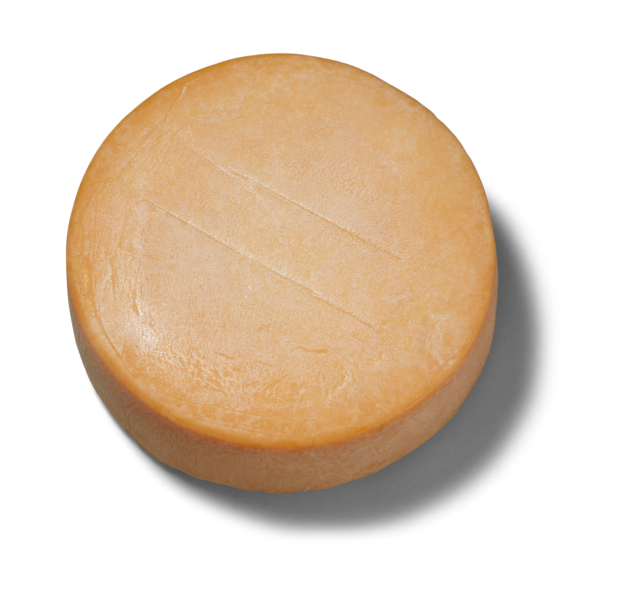
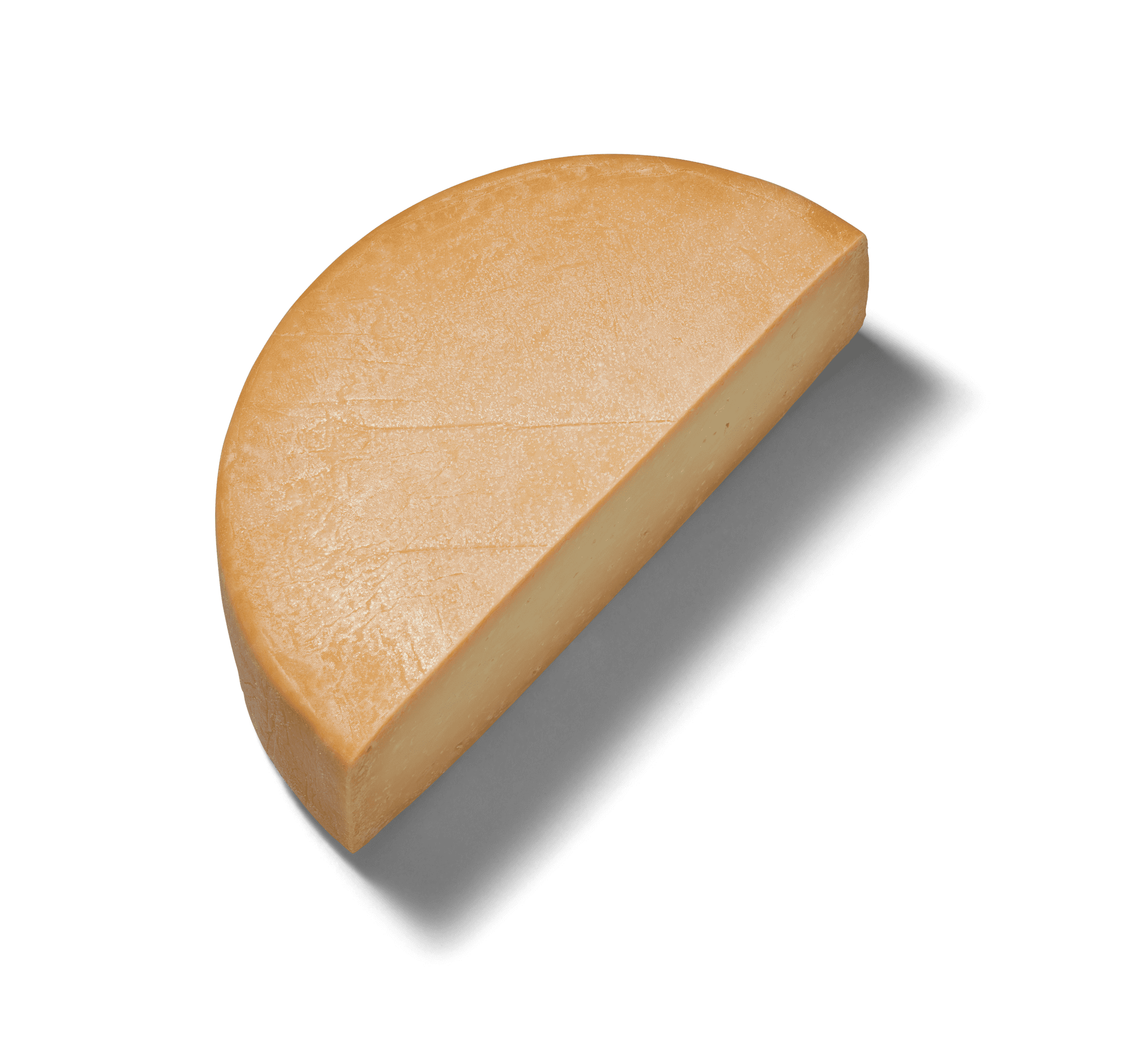
| Commonly encountered variations | 5 lb. quarter wheel; precuts |
The Story
Born out of the Sartori family’s Italian heritage, SarVecchio is their standout Parmesan, aged at least 20 months to develop its savoury, toffeelike profile. Since its debut in 2006, it has been winning awards, including two Super Golds at the World Cheese Awards in 2017 and 2019.
The Sartori story begins in the late 1800s in Italy when 17-year-old Paolo Sartori stepped aboard a steamship bound for the United States where he happened to meet Count Guilio Bolognesi, an Italian diplomat and cheese entrepreneur. In 1929, Bolognesi contacted his old acquaintance to see if he would work for him at a new cheese plant he was starting in Chicago. Sartori accepted and found so much success that he broke off in 1939 to move to Plymouth, Wisconsin, and start his own company. The company now boasts an impressive roster of Wisconsin Master Cheesemakers, including Pam Hodgson, the second woman to ever earn the title, and Erin Radtke, the fifth.
The adage that a cheese is only as good as its milk is why they have worked with an exclusive network of farmers within a 70-mile radius since the beginning. Ensuring the milk is of the highest quality is key, but so is the terroir it expresses. From making sure the feed is grown in Wisconsin to ensuring that the cows are happy and healthy is part of their recipe for success.
The Character
With its fruity, caramel and brown butter notes, SarVecchio’s firm yet crumbly paste is great as a snacking cheese or tossed with pasta or shaved over salad.
Perfect Partners
Serve SarVecchio with dried pineapple, Cerignola olives, Genoa salami, grissini, or cherry mostarda. Pair it with an amber ale, Asti Spumanti, or an NA Aranciata.