


A cheese that embodies French tradition and charm, Camembert de Normandie holds a cherished place in the world of cheese. This post takes you on a journey through the fascinating history of Camembert, delving into the artisanal process that shapes its powerful, yet creamy character. We’ll explore its unique terroir and production methods using the Academy of Cheese’s Make Post-Make model and apply the Structured Approach to Tasting Cheese to appreciate its nuanced flavours. Join us as we uncover why Camembert de Normandie is a timeless classic on cheeseboards worldwide.

The History of Camembert de Normandie
Camembert de Normandie traces its roots back to 1791 when Marie Harel, a farmer in Normandy, is said to have perfected the recipe with the help of a priest from Brie fleeing the French Revolution. Over the centuries, it became a symbol of French heritage, with its fame cemented during World War I when it was included in soldiers’ rations.
Today, only cheese made in Normandy, following strict PDO (Protected Designation of Origin) regulations, can bear the name Camembert de Normandie, preserving its authentic identity.

Crafting Camembert
The Make Post-Make Model
The cheesemaking process of Camembert de Normandie exemplifies traditional artistry, following the Academy of Cheese’s Make Post-Make model.
Make Stage
- Milk: Camembert de Normandie is crafted using raw milk from cows that graze on the lush pastures of Normandy. The region’s unique climate and rich soils impart distinct aromas and flavours to the milk.
- Curd Formation: The milk is gently heated, and rennet is added to form curds. These are cut into large cubes to retain moisture, contributing to the cheese’s soft, creamy texture.
- Moulding: The curds are carefully ladled into moulds by hand, layer by layer, allowing whey to drain naturally.
Post-Make Stage
- Salting: Once demoulded, the cheese is salted to enhance flavour and act as a natural preservative.
- Ripening: Camembert is aged for a minimum of 21 days in cellars with high humidity. During this time, the rind develops a white, bloomy layer of Penicillium candidum, which ripens the cheese from the outside in, creating its characteristic creamy interior.
Where is Camembert de Normandie Made?
By law, Camembert de Normandie can only be produced in specific regions of Normandy, including the departments of Calvados, Eure, Manche, Orne, and Seine-Maritime. This PDO status guarantees the cheese’s authenticity and connection to its terroir.
Characteristics of Camembert de Normandie
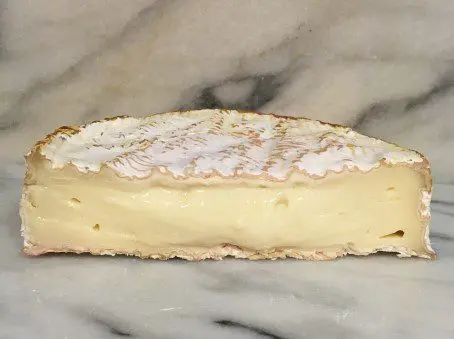
- Appearance: A small, round wheel with a white bloomy rind, occasionally tinged with flecks of cream or pale yellow.
- Texture: Creamy, velvety, and slightly runny at peak ripeness, with a soft, yielding paste beneath the rind.
- Aroma: Earthy, mushroomy, and slightly vegetal, with hints of damp hay.
- Flavour: A balance of savoury and lactic notes, with a mild nuttiness and a lingering tang.

What Does Camembert de Normandie Taste Like?
Applying the Structured Approach to Tasting Cheese enhances the experience of enjoying Camembert:
- Appearance: A perfect white rind with occasional golden spots.
- Aroma: A blend of earth, mushrooms, and farmyard aromas with a creamy undertone.
- Texture: A silky, smooth paste that melts in the mouth.
- Taste: A harmonious mix of creamy, savoury, and slightly tangy flavours, with nutty and umami undertones.
Camembert de Normandie Producers
Though Camembert de Normandie is protected by strict PDO regulations to ensure its authenticity, variations among producers contribute to subtle differences in flavour, texture, and aroma. These differences arise from factors such as the seasonal diet of the cows, slight variations in the cheesemaking process, and the ageing techniques unique to each producer. Here’s an overview of some notable brands of Camembert de Normandie:
1. Camembert Moulin de Carel
Known for its traditional methods, Moulin de Carel produces a Camembert with a distinctive creamy texture and a pronounced mushroom aroma. The cheese’s bloomy rind develops beautifully during ripening, giving it a luxurious mouthfeel and a flavour profile that balances savoury and nutty notes with a mild tanginess.
2. Camembert Gillot
Gillot is one of the few producers still using wooden moulds for ladling curds, staying true to traditional practices. Their Camembert is rich and creamy, with a velvety paste and an earthy, buttery flavour. It often features hints of barnyard and fresh hay, characteristic of Normandy’s terroir.

3. Camembert Réo
Produced by the Réo cooperative, this Camembert is widely recognised for its consistent quality and smooth texture. Its mild, approachable flavour makes it a popular choice for those new to artisanal Camembert. The cheese boasts a creamy paste and a subtle nuttiness, complemented by a delicate rind.
4. Camembert Isigny Sainte-Mère
This iconic brand offers a slightly more robust Camembert with a creamier texture and a fuller-bodied flavour. The cows used in Isigny Sainte-Mère’s production graze on Normandy’s lush pastures, resulting in milk rich in fats and proteins that contribute to the cheese’s luscious consistency and pronounced buttery notes.
5. Camembert Le Rustique
While not exclusively PDO, Le Rustique is a renowned and widely accessible brand that crafts Camembert using traditional techniques inspired by Normandy. Its mild, creamy profile and soft texture make it an ideal option for those seeking a balanced, crowd-pleasing cheese.

Using Camembert de Normandie
Camembert de Normandie is renowned for its culinary versatility, making it a delightful addition to both traditional and innovative dishes. Whether served simply or as part of a more elaborate recipe, its creamy texture and rich flavour elevate any meal.
On its own
Savour Camembert at room temperature to fully appreciate its creamy, velvety texture and complex flavour. Pair it with a crusty baguette for a quintessentially French experience, or serve with fresh butter and radishes for a rustic treat. For an authentic Normandy touch, pair it with a glass of local cider.
Baked Camembert
Turn Camembert into a show-stopping appetiser by baking it in its wooden box or a ceramic dish. Add garlic cloves, fresh rosemary, and a drizzle of honey or olive oil before baking. The result is a warm, gooey centre that’s perfect for dipping breadsticks, crackers, or fresh vegetable sticks. For a festive twist, top with dried cranberries and chopped walnuts before serving.

Pairings
Camembert pairs beautifully with an array of accompaniments that enhance its creamy and savoury qualities:
- Fruits: Crisp apples, pears, figs, or dried apricots provide a sweet contrast to its tangy notes.
- Nuts: Walnuts, hazelnuts, or almonds add a delightful crunch and nutty flavour.
- Condiments: A drizzle of truffle oil, honey, or balsamic glaze brings out its savoury richness.
- Charcuterie: Thinly sliced prosciutto, saucisson sec, or pâté complement Camembert’s umami profile on a cheeseboard.

Cooking with Camembert
Camembert de Normandie’s creamy texture makes it ideal for a variety of hot dishes:
- Pasta Sauce: Melt it into a creamy sauce with garlic and herbs to coat fresh pasta.
- Grilled Cheese: Use it as the star ingredient in an indulgent grilled cheese sandwich, layered with caramelised onions or mushrooms.
- Stuffed Chicken: Wrap a piece of Camembert in chicken breast, along with spinach or ham, and bake for a luxurious main course.
- Pizza Topping: Slice Camembert onto a white pizza base with caramelised onions, rocket, and a drizzle of honey.
- Burgers: Top a beef or vegetarian burger with a melting slice of Camembert for a decadent upgrade.
Wine Pairing
Camembert’s rich, creamy flavour and earthy aroma make it a natural partner for many drinks:
- Wines: Pair it with a light red wine like Beaujolais or a robust white wine such as a Chardonnay. For a sparkling option, try Champagne or Crémant de Bourgogne.
- Cider: Normandy’s sparkling cider or perry is a classic and refreshing match.
- Beer: A farmhouse ale or Belgian-style beer complements Camembert’s earthy and mushroomy notes.
Creative Serving Ideas
- Camembert Fondue: Melt Camembert with white wine for a quick and easy fondue, perfect for dipping bread, roasted vegetables, or cured meats.
- Breakfast Inspiration: Add a slice of Camembert to a warm croissant or use it to top scrambled eggs for a luxurious morning meal.
- Seasonal Touch: Serve baked Camembert with roasted chestnuts or pumpkin in autumn, or pair it with fresh berries and mint in spring for a seasonal flair.

Camembert de Normandie’s versatility ensures it remains a staple for any occasion, whether you’re hosting an elegant dinner or enjoying a casual snack. Its ability to pair with a variety of flavours makes it a cheese worth exploring in countless ways.
Alternatives to Camembert de Normandie
If Camembert de Normandie isn’t available, several other creamy, bloomy-rind cheeses can provide a similar indulgent experience. These alternatives offer their own unique characteristics while sharing key qualities such as soft textures, rich flavours, and a delicate rind.
1. Brie de Meaux
Often referred to as the “King of Cheeses,” Brie de Meaux is a French classic with a reputation to rival Camembert. This cheese boasts a larger wheel size, a slightly softer and creamier paste, and a nuttier, more buttery profile. Its bloomy rind is mild and slightly earthy, making it a versatile alternative that pairs beautifully with fresh fruit, honey, or a glass of Champagne.
2. Chaource
Hailing from the Champagne-Ardenne region of France, Chaource is a rich, double-cream cheese with a denser paste and a tangier, slightly more acidic finish than Camembert. Its soft, velvety interior and delicate white rind make it an excellent choice for those seeking a cheese with a balanced savoury and lactic profile. Enjoy Chaource as part of a cheeseboard or paired with sparkling wine to highlight its bright flavours.


3. Coulommiers
Often referred to as a “cousin” of Brie, Coulommiers is a smaller, slightly thicker cheese with a richer, more concentrated flavour. Its texture is soft and buttery, with a creamy interior that spreads easily. The mild, earthy taste is perfect for those who enjoy a more subtle alternative to Camembert, and it pairs well with crusty bread and a light red wine.
4. Saint-Marcellin
This French cheese, originating from the Rhône-Alpes region, is smaller in size and often comes in a terracotta or ceramic dish to preserve its delicate texture. Saint-Marcellin is exceptionally creamy and slightly tangy, with a nutty, mushroom-like aroma. Its luscious paste makes it perfect for serving warm or spreading on crackers.


5. Camembert-Style Cheeses from Other Regions
Outside of Normandy, many cheesemakers craft Camembert-style cheeses using similar techniques but with subtle regional differences. For example:
- Tunworth: Often referred to as Britain’s answer to Camembert de Normandie, this award-winning cheese exudes a rich, earthy mushroom fragrance with a long-lasting sweet and nutty flavour.
- Somerset Camembert: Produced in the UK, this cheese often has a slightly firmer texture and a nuttier flavour.
- American Camemberts: Cheesemakers in the United States, such as in Vermont, replicate the style using pasteurised milk, often yielding a milder flavour profile.
6. Taleggio
For a twist on the bloomy-rind experience, Taleggio, an Italian washed-rind cheese, offers a creamy, velvety texture with a tangy, slightly fruity flavour. While its rind is different from Camembert’s bloomy exterior, its luscious interior and savoury complexity make it an excellent substitute in recipes or on a cheeseboard.
Over to you
Camembert de Normandie is a true representation of Normandy’s lush pastures, traditional craftsmanship, and rich culinary heritage. Whether savoured on its own or as part of a dish, its velvety texture and complex flavours make it a must-try for any cheese lover. We encourage you to explore this iconic cheese and share in its timeless appeal.
Let Camembert de Normandie transport you to the green fields of Normandy, where every bite tells a story of tradition, artistry, and flavour.


COMMENTS