1
A
B
C
D
É
F
G
H
I
J
K
L
M
N
O
P
Q
R
S
T
V
W
Y
Z
L’
La
Le
Li
Lu
Ly
Lie
Lig
Lim
Lin
Liv
Limburger
The Basics
| Make | Soft | ||||
| Sub Make | Predominantly Rennet set cheese for further ripening | ||||
| Post-Make | External mould/yeast ripened | ||||
| Sub Post-Make | Vermiculated rind - predominantly yeast | ||||
| Typical age profile | 1-6 months | ||||
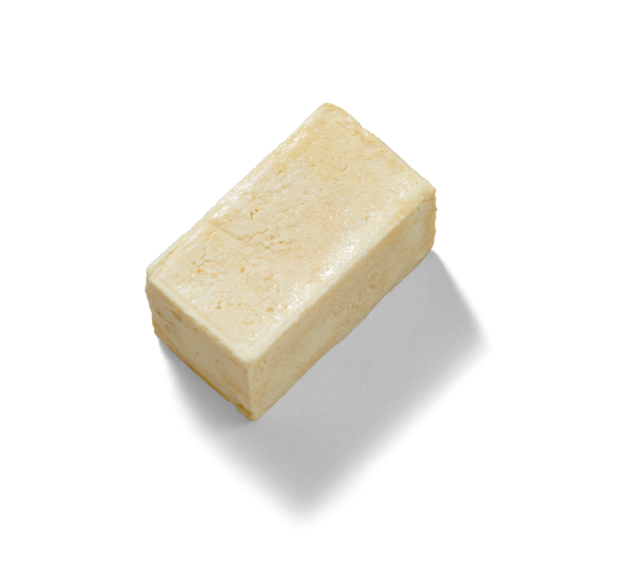
| Approximate weight(s) | 170g / 6 oz loaf | ||||
| Dimensions |
|
||||
| Geographical origin | Wisconsin; United States | ||||
| Protected status | No | ||||
| Species of milking animal | Cow | ||||
| Breed of cow | N/A | ||||
| Raw/pasteurised milk | Pasteurised | ||||
| Vegetarian/animal rennet | Animal | ||||
| Commonly encountered variations | Limburger Spread |
The Story
One of Wisconsin’s most historic cheeses, Limburger is loved for its flavour, pungent aroma, and fudgy texture. Once one of the U.S.’s most popular cheeses, this washed-rind cheese was invented in the 15th century by Belgian Trappist monks as Hevre. Now Chalet Cheese is the last American maker of this storied cheese.
Limburger’s U.S. heyday coincided with an influx of German immigrants in the 1800s who ate it with strawberry jam for breakfast or on dark bread with onion and brown mustard for lunch. The cultures for this cheese still used at Chalet Cheese today arrived in 1911 from Belgium and made itself at home. As consumer tastes began shifting to an appreciation of milder flavours in the 1960s, Limburger fell out of fashion in the U.S. until the 1980s when Chalet became the last maker standing.
The Character
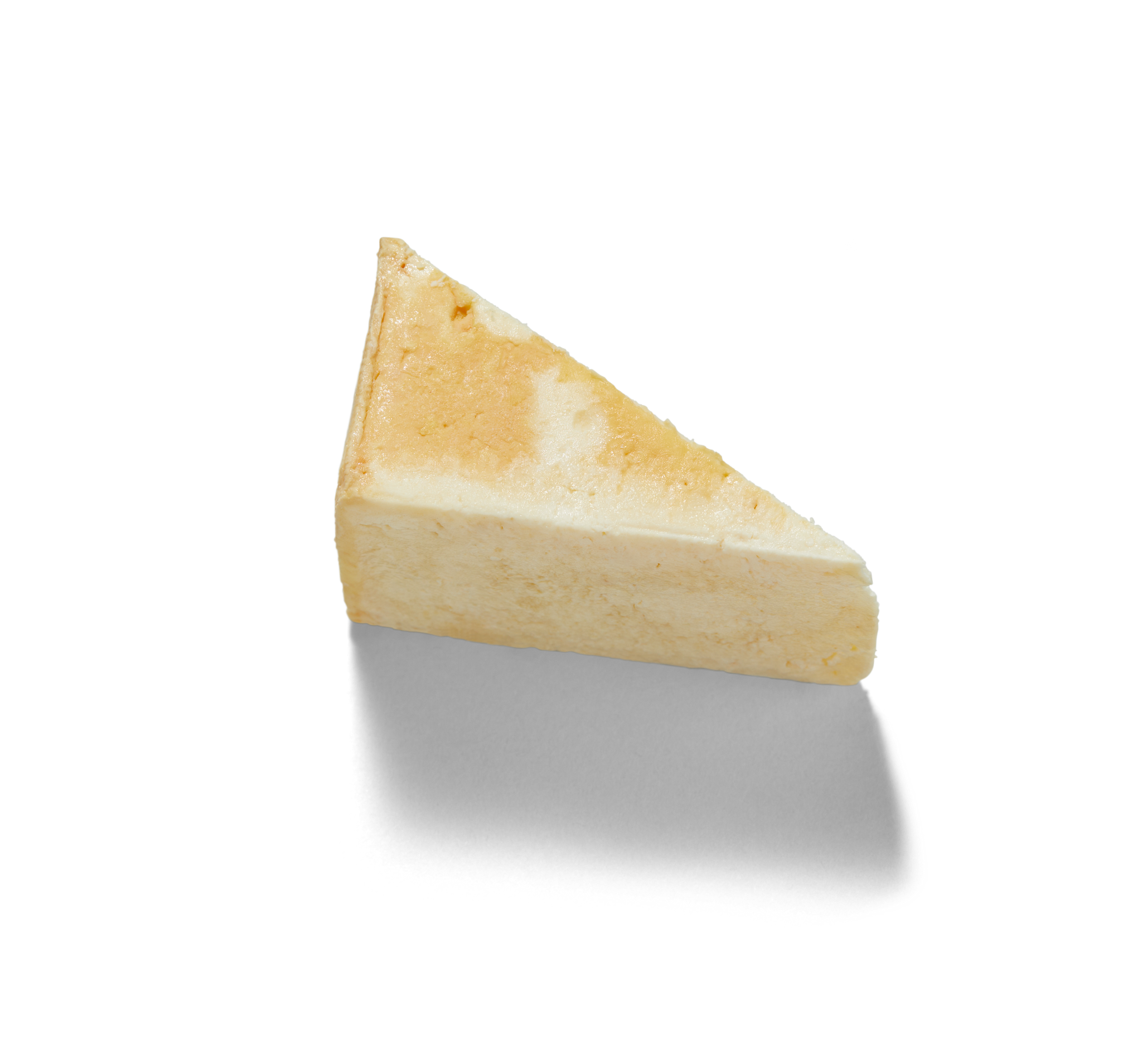
Depending on its age, Limburger can be semi-soft, crumbly, or creamy. Its flavour notes, too, can range from the meaty to barnyardy.
Perfect Partners
With its storied past and Old World ways, Limburger pairs well with raw red onions, escabeche mussels, a seeded onion cracker, Concord grape jelly, or walnut mustard. Enjoy it with a wheat beer, an apricot sour, or a pear cider.