
Belaire
The Basics
| Make | Soft | ||||
| Sub Make | Fresh or Unripened cheese: lactic or rennet set | ||||
| Post-Make | Wrapped, Rolled or Processed | ||||
| Sub Post-Make | Other Wrapped | ||||
| Typical age profile | 2+ months | ||||
| Approximate weight(s) | 2.26kg / 5 lb wheel, precuts | ||||
| Dimensions |
|
||||
| Geographical origin | Wisconsin; United States | ||||
| Protected status | No | ||||
| Species of milking animal | Cow | ||||
| Breed of cow | Guernsey | ||||
| Raw/pasteurised milk | Pasteurised | ||||
| Vegetarian/animal rennet | Microbial | ||||
| Commonly encountered variations | N/A |
The Story
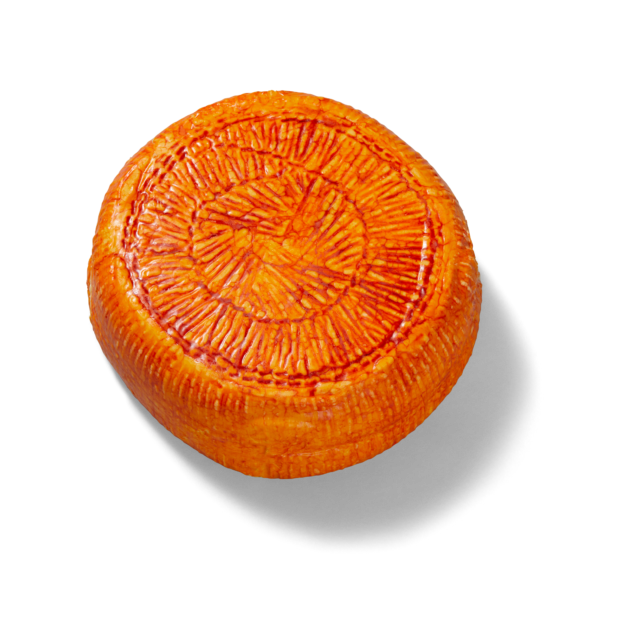
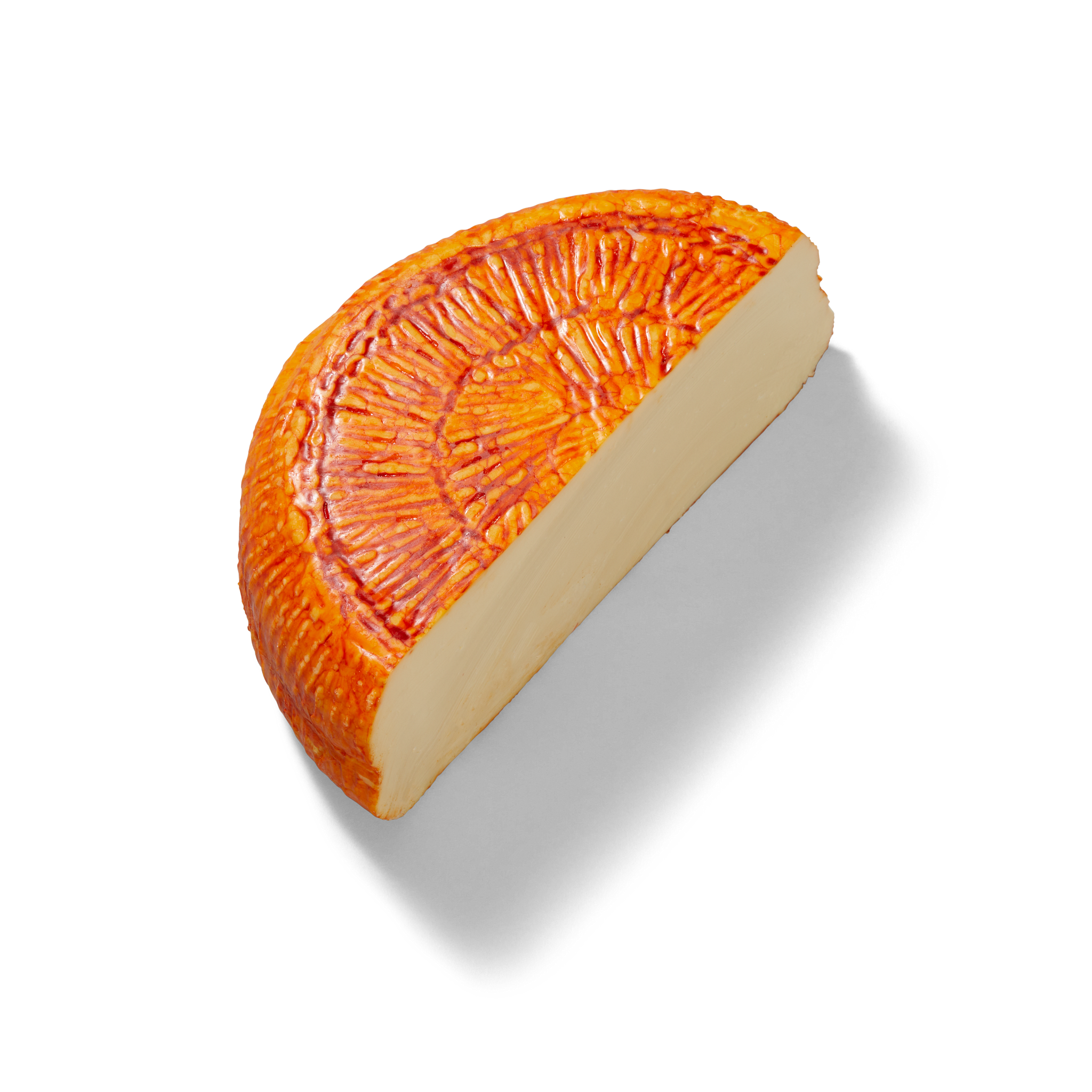
One look at the stunning contrast of Belaire’s vivid orange patterned rind with its golden-hued paste, it will be clear this Port Salut-style cheese is an award winner. Originally a soft, pungent washed rind produced by Trappist monks in France’s Brittany region, the monks sold the name to a large producer in the mid-20th century. Belaire is a fresh take on the French classic.
Hoard’s Dairyman Farm Creamery is an offshoot of Hoard’s Dairyman, a dairy farming-focused newspaper. The first issue was published on January 23, 1885, by William D. Hoard, the first editor (and Wisconsin’s 16th governor) to help the state’s then-fledgling dairy farmers become industry leaders. Four years later, Hoard started dairy farming to better understand the challenges of the new industry his readers faced. Making cheese was always an idea at Hoard’s, but it wasn’t until now that the dairy stars aligned.
The Character
Sweet, savory, and mild with a patterned orange rind, Belaire’s butter-coloured paste is soft and easy to spread.
Perfect Partners
Pair Belaire with hazelnuts, Saucisson sec, a baguette, raspberry jam, or steamed broccoli. A red ale, dry Riesling, or Orangina make great beverage matches.