
Canela
The Basics
| Make | Hard |
| Sub Make | Cheeses which acidify in the vat |
| Post-Make | Wrapped, Rolled or Processed |
| Sub Post-Make | Artificial (plastic coating, wax coat, matured in vacuum pack), Other Wrapped |
| Typical age profile | 9+ months |
| Approximate weight(s) | 2.72kg / 6 lb wheel |
| Geographical origin | Wisconsin; United States |
| Protected status | No |
| Species of milking animal | Cow |
| Breed of cow | N/A |
| Raw/pasteurised milk | Pasteurised |
| Vegetarian/animal rennet | Microbial |
| Commonly encountered variations | Precuts |
The Story
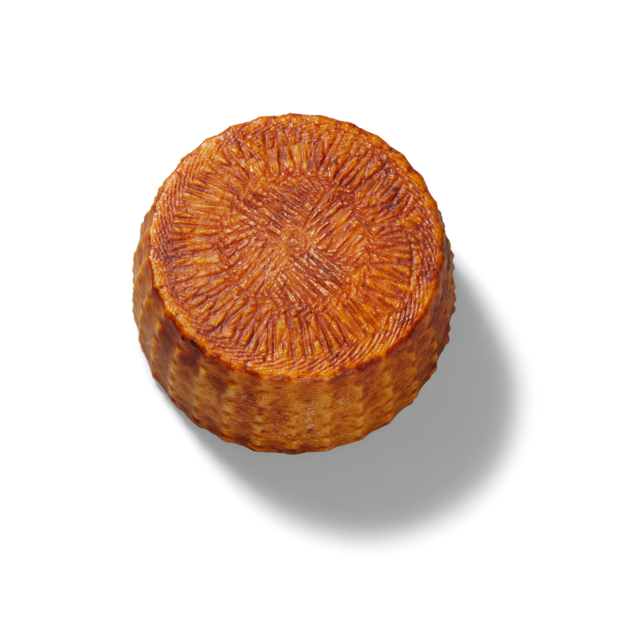
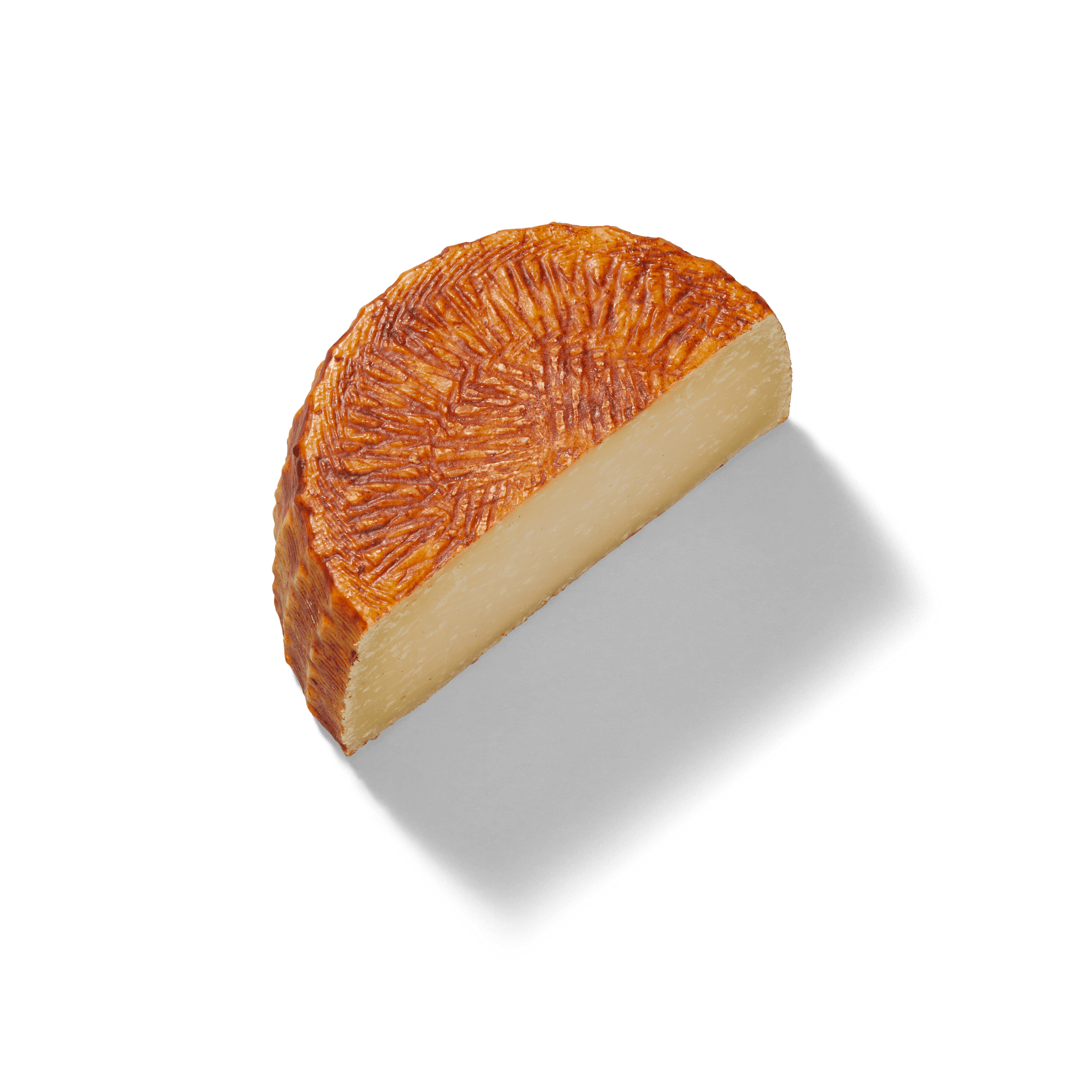
Made by Roth Cheese and inspired by Manchego, the iconic Spanish sheep’s milk cheese, Canela is a cow’s milk version that tastes as stunning as it looks. It’s herring-bone rind is a nod to the basketweave tradition that is Manchego’s, but Roth takes things a step further and rubs each wheel with a blend of paprika and cinnamon. The result is an award-winning cheese – Best of Class at the 2014 World Championship Cheese Contest and seven consecutive wins at the American Cheese Society Judging & Competition – that can be used anywhere Parmesan is called for.
Canela gets its name from the Spanish word for cinnamon, one of the two spices rubbed on its rind that also impart a hint of flavour to the paste. The rind is then coated in breathable, food-safe plastic to protect the cheese and keep it from drying out as it ages. The rind, however, isn’t edible, so discard before eating.
The Character
Canela’s very firm, cream-colored paste is dotted with crunchy crystals and has a sweet, tangy, bright, and full-bodied flavour.
Perfect Partners
Pair Canela with Marcona almonds, jamon Serrano, blueberry jam, and spiced wafers. It’s also a perfect companion for wheat beer, Madeira, and fruit liqueurs.